Welcome to the world of youth baseball tryouts. It’s a place where dreams are made and hearts are broken fast. It’s like a Wall Street trading floor.
Imagine Moneyball meets Lord of the Flies. But instead of murder, there are more sunflower seeds. It’s not just about catching fly balls. It’s a well-planned dance.
We’re looking at everything with great detail. From the psychological tests to the hidden rules that decide who makes it.
Showing up without being ready is like going to a fight with a knife. You need the right tryout prep to stand a chance. It’s your secret weapon in this tough game.
The tryout process is like a military plan. There are stations, schedules, and details that help sort out the good from the bad. Knowing how it works is key to making it through.
Essential Skills & Drills
Let’s dive into the key baseball drills that set players apart. It’s not just about doing the drills. It’s about showing your baseball smarts in every action.
Fielding drills show more about a player than any report can. Coaches check your footwork rhythm, how you catch the ball, and how fast you move it from glove to hand. A good fielder can make a big difference in just a few seconds.
Hitting drills focus on balance, bat speed, and making solid contact. It’s not about hitting home runs every time. Coaches want to see consistent mechanics that can hit line drives, even when you’re tired or stressed.
Pitching drills look at more than just speed. Coaches examine your mechanical repeatability, how consistent your arm slot is, and your fielding skills. Can you keep your delivery the same under pressure? That’s what makes a pitcher.
For catchers, it’s about how you frame pitches, block throws, and your pop time. The best catchers help their pitchers by getting stolen strikes and leading quietly.
Base running drills test more than just speed. Coaches look at your leads, secondary leads, turns, and how you react to situations. Knowing when to take an extra base shows your baseball smarts.
Want to ace these essential baseball drills? Check out our detailed guide to the 8 best baseball tryout drills. They cover all the key points in depth.
Remember, coaches aren’t just looking for players who can make plays. They want players who make plays the right way. Your technique in these drills tells them all they need to know about your skills.
Boosting Confidence
Walking onto the field with confidence is like hitting a grand slam before you even bat. It’s that special swagger that catches coaches’ attention and makes other players adjust. This confidence is key.
Confidence at tryouts isn’t about being arrogant. It’s about being quietly confident. It’s the difference between looking like you’re trying out and looking like you’re already part of the team. This mental edge is what sets you apart.

The secret to confidence? It’s not found; it’s built through preparation alchemy. Turn your practice hours into mental strength. Nothing says “I belong” like actually belonging through hard work.
Let’s look at the mental tools you need:
- Positive self-talk that actually works – not empty phrases, but real, evidence-based affirmations
- Visualization techniques that Olympic athletes would approve of
- Pre-performance routines that boost your confidence
- Mindset reframing that turns nerves into an advantage
The “fake it till you make it” approach only works if you’re actually improving. Real confidence comes from knowing you’ve worked hard. It’s the feeling that the team is trying out for you, not the other way around.
Coaches can spot fake confidence from far away. They know the difference between real self-assurance and anxiety. Your confidence must be based on real preparation, not just positive thoughts.
Build your mental foundation through focused practice, clear goals, and tracking your progress. When you step onto the field, your confidence will be well-deserved, not just projected.
Handling Anxiety
That flutter in your stomach isn’t a sign of weakness. It’s your body’s ancient survival mechanism. It’s telling you something important is about to happen.
Your caveman brain doesn’t know the difference between facing a saber-toothed tiger and facing a baseball coach. It’s all about survival.
Let’s talk about the real magic trick: turning those nerves into a competitive advantage. The best athletes aren’t anxiety-free. They’re just better at turning panic into power.
Body language control might be your most underrated weapon. Research shows that adopting “power poses” for just two minutes can reduce cortisol by 25%. Try standing like Wonder Woman before your tryout – hands on hips, chest out, chin up. It sounds ridiculous until you realize it works.
Your mental framing needs a software update. Instead of “I hope I don’t screw up,” try “This is where I get to show what I’ve practiced.” Cognitive reframing isn’t positive thinking – it’s strategic thinking. You’re not lying to yourself; you’re choosing the most useful version of reality.
The performance mindset separates the anxious from the exceptional. Think of yourself as a performer, not a test-taker. You’re not being judged; you’re putting on a show of what you can do. This subtle shift turns pressure into opportunity.
| Anxiety Management Technique | How It Works | When to Use It | Effectiveness Rating |
|---|---|---|---|
| Power Posing | Changes hormone levels through body positioning | 5 minutes before performance | 9/10 |
| Cognitive Reframing | Restructures negative thought patterns | During anxious moments | 8/10 |
| Controlled Breathing | Activates parasympathetic nervous system | Any time anxiety spikes | 10/10 |
| Performance Visualization | Primes neural pathways for success | Day before and during warm-up | 9/10 |
Remember: the kid who looks calm isn’t necessarily less anxious. They’ve just mastered the art of compartmentalization. They’ve learned to park their nerves in a mental garage until after the performance.
Your anxiety isn’t the enemy. It’s the fuel that could launch you to exceptional performance if you learn to direct it properly. The difference between choking and shining often comes down to who manages their energy better, not who has more talent.
What Coaches Look For
Forget what you think you know about athletic talent – coaches are hunting for unicorns who can both hit curveballs and demonstrate emotional intelligence. The tryout process isn’t just a skills showcase; it’s a multidimensional personality test disguised as athletic competition.
While parents obsess over batting averages and 40-yard dash times, coaches are running a completely different evaluation system. They’re not just building a team – they’re assembling a cultural ecosystem where character matters as much as capability.
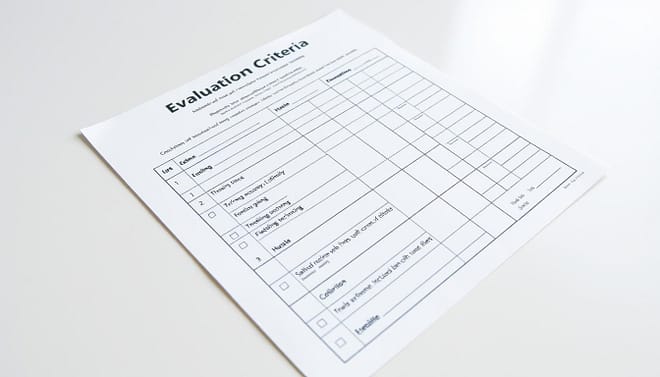
The secret scoring system values these intangible qualities above raw talent:
- Coachability – How you receive feedback tells coaches everything about your future
- Body language between drills – Are you engaged or looking at your phone?
- Unprompted hustle – Running between stations without being told
- Team-first mentality – Celebrating others’ successes louder than your own
- Resilience after mistakes – How you recover from errors defines your mental toughness
I’ve watched coaches literally turn their backs on five-tool prospects to watch how players interact when they think nobody’s looking. That stray ball rolling toward the fence? That’s not a nuisance – it’s an intelligence test.
The athlete who sprints to retrieve it just earned more points than the kid who hit a home run but stood admiring his work. This isn’t fair? Welcome to real-world coach evaluation where life isn’t fair and neither are tryouts.
Attitude accounts for approximately 30% of the final score in most evaluation systems. Coaches would prefer a B+ athlete with A+ character over the other way around. The reasoning is simple: skills can be taught, but personality is pretty much baked in by tryout age.
Your response to constructive criticism might be the most important moment of your tryout. Coaches deliberately give slightly confusing instructions just to see who asks clarifying questions versus who silently struggles. This coachability test separates future leaders from perpetual benchwarmers.
Even your water break behavior gets graded. Are you hydrating alone or chatting with possible teammates? This casual teamwork assessment reveals social intelligence that coaches value immensely.
Remember: coaches aren’t just evaluating today’s player. They’re projecting who you’ll become after two years of development. The raw athlete with poor body language represents a future headache. The slightly less gifted player with elite intangibles represents a future team captain.
This evaluation process is part talent show, part job interview, and part psychological assessment. The coaches holding clipboards aren’t just statisticians – they’re cultural architects building something that lasts longer than a single season.
Parent Support
Being a sports parent during tryouts is like being a UN ambassador and a bomb disposal expert at the same time. You’re not there to coach but to support your athlete. This support lets them shine.
Parent support starts with knowing the difference between encouragement and pressure. Encouragement is “I believe in you.” Pressure is “Don’t embarrass the family name.” This difference is key.
Before tryouts, talk like you’re giving a pep talk, not negotiating a deal. Ask questions like “What are you most excited about?” instead of “Are you ready to dominate?”
Your help should be practical, not too much. Check equipment, ensure they eat right, and drive them there. Leave the fancy gadgets at home.
At tryouts, be there but don’t be loud. Cheer, but don’t coach from the stands. And please, don’t pace with a clipboard.
After tryouts, be supportive, not critical. The car ride home should be a safe space, not an interrogation. Ask “What was the most fun part?” instead of “How many errors?”
| Helpful Parent Behavior | Unhelpful Parent Behavior | Why It Matters |
|---|---|---|
| Quiet encouragement from stands | Loud coaching instructions | Reduces athlete distraction and anxiety |
| Post-tryout positive debrief | Immediate criticism analysis | Builds confidence instead of doubt |
| Practical preparation support | Over-the-top equipment obsession | Focuses on athlete needs, not parent ego |
| Respect for coaches’ decisions | Arguing with selection committee | Models sportsmanship and maturity |
The best parent support is often doing less, not more. It’s creating space for your child to experience the process without your expectations. They’re trying out for a team, not to make you proud.
Your role is to be calm, not the storm. That’s the delicate art of supporting your child without suffocating them.
Debrief After Tryouts
The final whistle blows, but the real game begins now. Processing tryout results needs emotional smarts and analytical skills.
When you get that call, your response is forever remembered. A “yes” should be met with quiet confidence, not loud boasts. A “no” should be accepted graciously, not with anger.
Coach feedback often uses diplomatic language. “We’re going in a different direction” might mean you need to work on your footwork. “Great energy” could mean you need to improve technically. Learn to understand these messages like a CIA analyst.
The real victory isn’t just making the team. It’s learning to handle both outcomes well. Success teaches humility, while failure builds resilience. Kids who learn this early develop strong emotional skills.
Get useful insights from every evaluation. Turn “maybe next year” into a personal training goal. Use disappointment to fuel determination, not despair.
This post-tryout debrief is about growing, not just celebrating or mourning. The athletes who do well long-term aren’t always the most talented. They’re the ones who use every outcome to improve.