The Rangers Youth Academy championship win gives Texas baseball families a useful case study in player development that goes beyond one late rally. A title game can feel like a single dramatic moment, but parents should look closer at the habits behind it: staying engaged after setbacks, trusting teammates, accepting coaching, and keeping school and life skills tied to baseball goals.
In July 2026, the Texas team won the Commissioner’s Cup championship game 10-9 over the Compton Youth Academy after overcoming a five-run deficit in the bottom of the seventh inning, according to the championship report. That score is the headline. For families, the teaching point is how a young roster handled pressure when the game looked nearly out of reach.
Rangers Youth Academy Lessons From A Late Rally
Rangers Youth Academy Takeaway: Stay In The Inning
The Rangers Youth Academy comeback is a reminder that youth players need practice staying present when the scoreboard turns against them. Parents often talk about toughness after a loss, but toughness is easier to build when families make it part of weekly behavior. A player who learns to take the next pitch seriously, run hard on routine contact, and support a teammate after an error is training for the same type of late-game moment.
That does not mean every deficit becomes a comeback. Most teams will lose plenty of games, including games where they compete well. The lesson is not that belief alone wins. The practical lesson is that young athletes need repeatable routines that hold up when the dugout gets quiet and the margin gets uncomfortable.
What Parents Can Watch Without Coaching From The Stands
Families can support this by watching effort markers instead of trying to manage every pitch. Did the player stay ready between innings? Did he or she know the situation before the ball was hit? Did the player communicate on defense? Did the hitter keep the same plan after a tough at-bat? Those signs tell a parent more about development than one box score line.
After games, keep the first conversation simple. Ask what the player noticed, what the coach emphasized, and what one adjustment should carry into the next practice. That approach gives the athlete ownership while keeping the parent out of the role of second coach.
Why Free Year-Round Instruction Matters
Access Changes The Development Equation
The official Texas Rangers page says the Academy was established in December 2017 and provides free year-round baseball and softball instruction for athletes ages 7-18, along with educational programming, life skills training, and community events with partners such as Buckner International Texas Rangers Youth Academy. For Texas families, that matters because cost and travel can shape the path of a young player as much as talent.
A program like Rangers Youth Academy shows why access is part of development. Quality instruction, safe practice space, and consistent coaching time help players build skills over months rather than chasing one big weekend. Families who are not in that exact program can still apply the idea. The goal is to create a steady baseball calendar that includes instruction, rest, school time, and family balance.
What Families Should Compare Before Adding More Baseball
Parents should be careful about treating every extra event as progress. More games can help if they create useful reps against the right level of competition. More games can also drain a player if there is no practice time, no recovery, and no clear feedback loop. Before adding a tournament, showcase, or private lesson block, families should ask whether it fits the player’s current needs.
- For a young hitter, does the week include enough swing work that is not tied to game pressure?
- For a pitcher, is there a clear plan for rest, throwing volume, and role expectations?
- For a catcher, is there time for receiving, blocking, throwing, and lower-body recovery?
- For any player, is school work being protected during heavy baseball periods?
These questions are not meant to slow ambition. They help families spend time and money with a purpose. The strongest youth plans usually leave room for practice, feedback, and normal life.
Building Team Habits Before Big Games
Teamwork Is Trained During Ordinary Weeks
Championship moments often make teamwork visible, but the habit starts long before a medal ceremony. Players learn to trust each other in routine defensive reps, controlled scrimmages, bullpen work, and quiet post-practice conversations. If a team waits until a major event to talk about roles, communication, and composure, it is already late.
Parents influence that culture more than they may realize. A player who hears blame from the car ride home can carry that into the dugout. A player who hears respect for teammates, coaches, and umpires has a better chance to stay steady. This does not mean parents should ignore poor effort or missed preparation. It means correction works best when it is specific, calm, and tied to the next action.
Role Acceptance Is Part Of Elite Development
Texas elite baseball families often focus on starting spots, batting order, and innings. Those things matter, but role acceptance is also a skill. A player may pinch run, enter late on defense, sit behind an older player, or move positions for a weekend. Handling those assignments well builds trust with coaches and teammates.
The late rally lesson connects here. In a close game, the decisive play may come from a player who has waited six innings for one chance. Families can help by praising readiness, not just star moments. Being prepared when called upon is a real competitive trait.
Connecting Baseball, School, And Life Skills
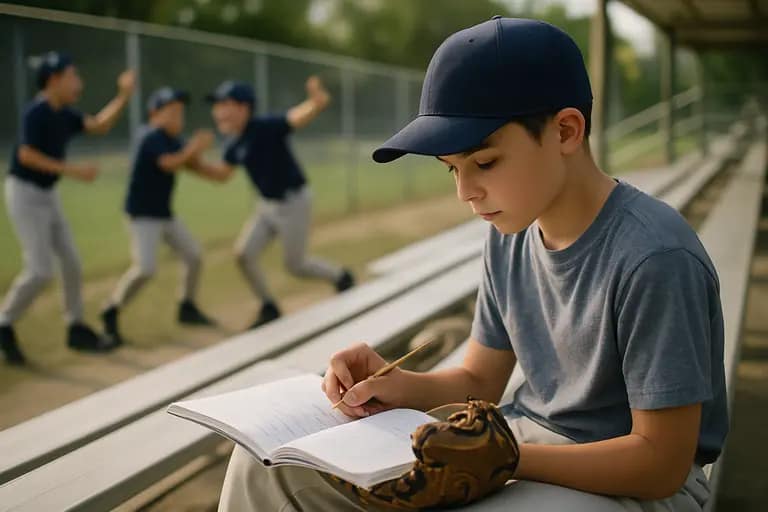
Development Is Bigger Than A Swing Or Fastball
The Academy model ties baseball and softball instruction to education and life skills. That is a useful signal for parents in any Texas baseball setting. A player’s future is not built only on velocity, exit speed, or tournament results. Coaches at higher levels notice whether players communicate, manage time, handle feedback, and remain dependable when the schedule gets demanding.
Families can make this practical at home. Let the athlete pack part of the equipment bag. Have the player track practice goals. Set a schoolwork plan before a travel weekend. Ask the player to message a coach when a schedule conflict needs to be handled, if that is age-appropriate. These small responsibilities prepare players for high school, college, and adult expectations.
Recognition Should Reward Habits, Not Only Outcomes
A championship win earns attention, but families should also recognize the quieter signs of growth. Praise a player for responding well to a coach, keeping composure after a strikeout, helping a younger teammate, or sticking with a practice plan after a rough weekend. Those behaviors make improvement more likely.
This is especially valuable for players who are not early standouts. Youth baseball development is uneven. Some athletes grow early, some gain coordination later, and some need more time to connect confidence with skill. A family that only rewards trophies can miss real progress. A family that rewards preparation gives the player a steadier base.
What Texas Baseball Families Can Use This Season
Turn The Win Into A Family Checklist
The Rangers Youth Academy title should not push families into chasing a perfect program or a packed calendar. It should push them to ask better questions. Is the player learning how to compete after mistakes? Is the weekly plan giving enough time to practice, recover, and handle school? Are parents helping the athlete listen to coaches instead of adding noise? Is the player learning to be a good teammate when the role is smaller than hoped?
For Texas families in competitive baseball, those questions are more useful than copying another team’s path. A single championship game cannot prove one formula for every athlete. It can show what matters under pressure: preparation, access to steady instruction, team trust, and personal responsibility.
The Rangers Youth Academy win is worth celebrating, but its best value for parents is practical. Use it as a reminder that development is built in ordinary weeks, then tested in hard innings. If families keep that order clear, young players have a better chance to grow through both wins and losses.