The Cross Roads Classic gives Texas baseball families a clear two-day target on the summer calendar, but a good weekend in Temple starts before the first warmup throw. USSSA lists the event for July 18-19, 2026, in Temple, Texas, on its USSSA event lodging page. For parents, the job is not to turn the weekend into a pressure project. It is to reduce preventable stress, help the player arrive ready, and keep the family plan steady when schedules, heat, meals, and emotions start to stack up.
A tournament weekend in July asks a lot from a young player. There may be early wake-ups, warm afternoons, long gaps between games, quick uniform changes, and unfamiliar fields. Parents can help by treating the weekend like a development setting, not just a results setting. That means building a plan around rest, hydration, food, gear, documents, transportation, and the tone your player hears between games.
What The Cross Roads Classic Requires From Families
The first layer of preparation is confirming what is known. The event is scheduled for two days in Temple, so families should plan for at least one travel day, a possible hotel stay, and enough schedule flexibility to handle game-time changes. Tournament baseball rarely runs exactly like a school-night practice. Weather, field turnover, bracket updates, and team communication can all affect the day.
Cross Roads Classic Registration Steps
USSSA parent and player setup should be handled before tournament week. The USSSA parent/player instructions through GotSport tell parents to create an account, add their child as a player, and upload required items such as a birth certificate and a clear headshot through the system USSSA parent/player instructions. Do not wait until the night before games to check this. If a document is missing, blurry, or attached to the wrong profile, a simple task can become a stressful problem at the worst time.
Parents should keep a digital folder with the player’s registration information, birth certificate copy, team contact, hotel confirmation, and any schedule screenshots. A paper backup can help if cell service is weak or a phone battery runs low. This is not about being anxious. It is about protecting the player from adult-side confusion before a competitive weekend.
Confirming Team Communication
Before leaving home, ask the coach or team administrator where official schedule updates will be shared. Some teams use a group text, some use an app, and some rely on a team manager. Know the channel and check it before meals, bed, and departure for the field. For the Cross Roads Classic weekend, one missed update can mean rushing breakfast, skipping a proper warmup, or arriving without enough time for the player to settle in.
Families should also clarify uniform expectations for each game day. Pack every jersey, belt, sock option, hat, and backup undershirt the team might require. Tournament weekends are not the best time to discover that one uniform piece is still in the laundry or sitting in another bag at home.
Temple Travel, Lodging, And Arrival Planning
Temple is the host city, so the family plan should begin with lodging and travel timing. USSSA provides event lodging information through its Texas baseball lodging page, and families should review options early instead of waiting until close to the event. Hotels near tournament activity can fill as teams build their plans. Staying farther away may be workable, but it can add drive time during already long days.
Booking With The Player In Mind
Choose lodging based on sleep, food access, and drive time, not just the room rate. A young athlete benefits from a quiet place to rest, a simple breakfast option, and enough space to dry gear. If possible, check whether the hotel has a refrigerator, laundry access, or nearby grocery options. Those details matter when a player has played in heat, needs a clean uniform, and has another report time the next morning.
Arrival timing matters as well. If the family schedule allows, getting into Temple with enough time for dinner, a light stretch, and normal sleep is better than arriving late and starting the tournament tired. Parents cannot control the bracket, the umpire zone, or the opponent. They can control whether the player starts the weekend rushed or calm.
Driving, Parking, And Daily Timing
Build extra time into each drive. Tournament parking can take longer than expected, especially when games are turning over and multiple teams are arriving at once. A good rule for families is to plan backward from the team’s requested arrival time, not from first pitch. If the coach wants players there 60 minutes early, the family schedule should protect that full warmup window.
For more packing and timing ideas built around Texas conditions, families may also find this summer tournament checklist useful when setting up bags, coolers, documents, and travel plans. The goal is to remove as many small decisions as possible before game day.
Heat, Fuel, And Recovery Between Games
July baseball in Texas requires serious attention to heat. Parents should not treat hydration as something that starts after the player feels thirsty. Start the day with water, bring more than you think the family will need, and plan for shade whenever there is a gap between games. Cooling towels, extra shirts, sunscreen, and a chair or canopy can help a player recover without standing in direct sun for long stretches.
Hydration And Food Rhythm
Between games, the best food plan is usually simple and familiar. Avoid turning the weekend into an experiment with new meals, heavy foods, or snacks the player does not normally tolerate. Pack options that are easy to eat in small amounts: sandwiches, fruit, pretzels, yogurt, rice bowls, or other foods your player already handles well. Families looking for a more focused approach can review these tournament nutrition tips before making the grocery list.
Parents should watch how the player looks and acts, not only what the scoreboard says. Sluggish movement, unusual irritability, headache complaints, dizziness, or confusion can be warning signs that the athlete needs shade, fluids, rest, or medical attention. This is not a place for toughness talk. If a player does not look right, involve the coach and seek appropriate help.
Recovery Habits That Fit A Two-Day Event
For the Cross Roads Classic, recovery does not need to be fancy. It needs to be consistent. After the last game of the day, prioritize a real meal, fluids, a shower, dry clothes, and sleep. If the player wants to talk through the game, listen first. If he does not, give him space. A parent breakdown of every at-bat or pitching sequence in the hotel room can make the weekend feel heavier than it needs to be.
One helpful question is, “What do you need before tomorrow?” That keeps the focus on preparation instead of blame. Some players need food. Some need quiet. Some need to laugh with teammates. Some need to reset after a tough outing. Development is not only mechanical. Learning how to recover from a hard game and show up ready the next day is part of competitive baseball.
Gear, Documents, And Dugout Readiness
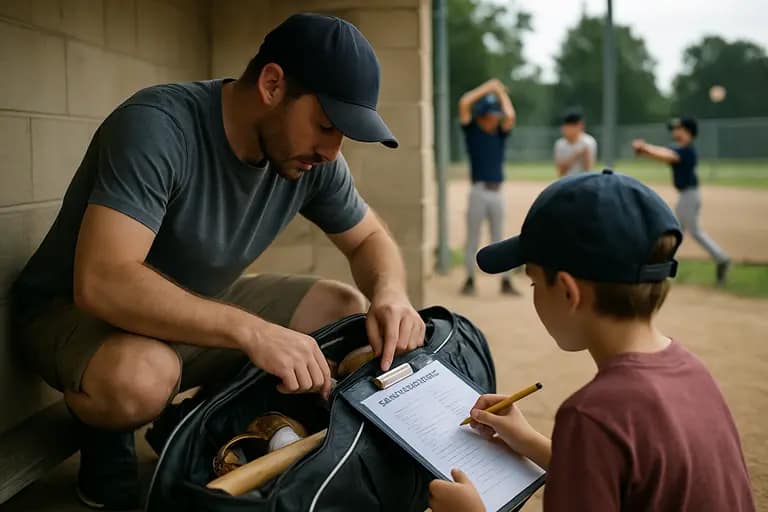
A clean gear plan can save a family from sideline panic. Parents should check the bat, glove, cleats, batting gloves, helmet, cup, catcher’s gear if needed, and all uniform pieces several days before leaving. If the player uses tape, bands, eye black, extra laces, or a specific water bottle, pack those too. Bring plastic bags for wet or dirty clothes and a towel for wiping down gear after games.
What To Check Before Leaving Home
Use one parent-facing list, then let the player take ownership of his own bag check. Younger players may need direct help, while older players should be expected to confirm their equipment. The balance matters. Parents support the structure, but the player learns responsibility.
- Confirm player registration, required documents, and team communication channels.
- Pack all uniform combinations, backup socks, belt, hat, and undershirts.
- Bring water, electrolytes if your family uses them, sunscreen, cooling towels, and shade items.
- Prepare simple meals and snacks that the player already knows well.
- Charge phones, pack chargers, and save hotel, field, and team contact information.
- Carry a basic first aid kit for small cuts, blisters, and routine family needs.
Do not use the checklist as a way to hover over every move. Use it to create calm. The better the adult plan, the easier it is for the player to think about playing baseball.
Parent Support During Competitive Moments
The tone around the dugout matters. Players hear more than parents think they hear. They hear comments about the umpire. They hear frustration after an error. They hear adults comparing kids. A tournament weekend is a chance to show a young player what steady support looks like under pressure.
Sideline Habits That Help Players
Cheer effort, awareness, and team play. Avoid coaching from the stands, especially during at-bats or defensive situations. If a coach is giving signs or instruction, extra parent voices can split the player’s attention. After a mistake, a calm clap or simple encouragement is usually better than a long correction.
Respect for officials and opponents should be non-negotiable. Players learn from what adults model. A family that stays composed during a close call gives the athlete a better chance to stay composed during the next pitch. That does not mean parents have to pretend every call is perfect. It means the player’s emotional stability is worth more than a sideline argument.
Postgame Conversations That Build Maturity
After games, give the player a little time before offering analysis. Start with food, water, and a calm ride. If the player brings up a play, ask what he saw and what he might try next time. This helps him process the game like an athlete instead of waiting for an adult verdict.
For older players, tournament weekends can also be a chance to practice self-management. Did he know the schedule? Did he hydrate without being reminded every time? Did he pack his own bag? Did he respond well after failure? Those habits matter in high school baseball, showcase settings, and any future step in the sport.
Cross Roads Classic Family Priorities
A steady Cross Roads Classic plan should protect three things: the player’s readiness, the family’s schedule, and the spirit of the weekend. The tournament is a competitive event, but it is still youth baseball. Players should compete hard, respect the game, and leave with lessons they can use after Temple.
Parents can help most by handling the adult tasks early: registration, lodging, transportation, gear, meals, and schedule updates. Once the games begin, shift from manager mode to support mode. Keep the cooler stocked, keep the tone calm, and let coaches coach. That approach gives a young athlete room to compete, recover, and grow through a demanding Texas tournament weekend.