Baseball parent support is not about controlling every swing, inning, roster decision, or weekend schedule. It is about helping a young player stay healthy, keep learning, and still enjoy the game while the baseball calendar gets more competitive. For Texas families, that often means balancing practices, tournaments, school work, travel costs, rest, and the child’s own voice.
The hard part is that competitive baseball can make normal parent instincts feel urgent. A parent wants to help. A player wants to improve. A team may have a packed schedule. Coaches may be sorting roles, lineups, and pitching plans. None of that is automatically bad, but it can get out of balance if the adults around the player measure every weekend by trophies, rankings, or attention from evaluators.
A better parent role starts with a steady question: is this baseball experience helping my child grow as a player and as a person? If the answer is yes, the season has a better chance to last in a healthy way. If the answer is no, families should be willing to adjust the schedule, the team fit, the training plan, or the parent behavior around games.
Baseball Parent Support Starts With The Player
Baseball Parent Support Means Listening First
Young players need room to say what baseball feels like, not just what they think adults want to hear. A short drive-home check-in can help if it is calm and simple: What was fun today? What felt hard? What do you want to work on this week? Those questions keep the conversation centered on learning rather than approval.
Parents should be careful with immediate postgame instruction. A child who just struck out, made an error, or sat for several innings may not be ready for a technical review. Waiting until later can protect trust. If the player asks for help, keep feedback short and tied to one action. If the player does not ask, encouragement may be enough.
Separate Effort From Outcome
In competitive baseball, outcomes can be noisy. A hard line drive can be caught. A weak ground ball can turn into a hit. A pitcher can make a good pitch and still give up a double. Parents help most when they notice effort, preparation, attitude, and coachability. Those are repeatable habits.
That does not mean ignoring performance. Development requires honest feedback. The difference is tone and timing. Instead of saying, “You have to hit better,” a parent might say, “I liked how you stayed ready, and if you want extra swings this week, I can help you set that up.” That keeps the player accountable without making love or approval feel tied to the box score.
Keep Competition In A Healthy Place
Do Not Rush The Sports Path
The U.S. Olympic & Paralympic Committee recommends that children participate in multiple sports before age 12 to support broader development and reduce injury risk, according to AP reporting on youth sports. For baseball families, that guidance can be useful when the pressure to specialize early starts showing up in casual conversations, team decisions, and private training choices.
Multi-sport participation can give a young athlete different movement patterns, different teammates, and a mental break from one sport. A player who plays basketball, soccer, football, track, swimming, or another activity may return to baseball with better body control and more energy. The right answer will vary by child, but parents should not assume year-round baseball is the only serious path.
Fun Is Not A Soft Goal
Enjoyment matters because a player who loses interest is unlikely to keep improving. The same AP report notes expert guidance that children should be allowed to explore sports gradually, with fun and personal growth placed ahead of immediate competitive success. That can be hard to remember when families are paying entry fees, buying gear, and driving across the state for games.
Fun does not mean easy. Many players enjoy hard practices, tight games, demanding coaching, and tough competition. The issue is whether the challenge still feels meaningful to the child. If every baseball conversation becomes tense, if the player dreads every practice, or if injuries and fatigue keep stacking up, parents should treat those signals as real information.
Manage The Time, Money, And Schedule Load
Know What The Family Is Actually Committing To
Parental involvement in youth sports has increased over the past 60 years, with families giving more time and resources to their children’s athletic activities, according to research supported by Ohio State’s Sports and Society Institute on youth sports involvement. That matters in Texas baseball because a “simple” season can include weeknight practices, lessons, tournament weekends, hotel stays, meals, gas, equipment, and missed family time.
Before joining a team or adding training, parents should ask direct questions. How many tournaments are expected? How far will the team travel? How are pitchers protected? What happens if a family misses an event for school, faith, health, or family reasons? A clear answer now prevents frustration later.
This is also where baseball parent support becomes a household decision, not just a baseball decision. Siblings, school schedules, work shifts, and finances are part of the plan. A strong team fit should respect that families have real limits.
Build Recovery Into The Calendar
Parents do not need to act like trainers, but they should watch patterns. A player who is always tired, sore, irritable, or falling behind in school may need a lighter week. For pitchers, parents should know how pitch counts and rest periods are handled by the team or event. If arm pain or a possible injury appears, the safest parent move is to stop guessing and involve a qualified medical professional.
Good tournament planning also includes sleep, hydration, and food. A family that treats recovery as part of development gives the player a better chance to compete with energy. For practical weekend habits, Texas families can use this tournament nutrition guide as a starting point for conversations at home.
Support Development Without Taking Over
Let Coaches Coach During Games
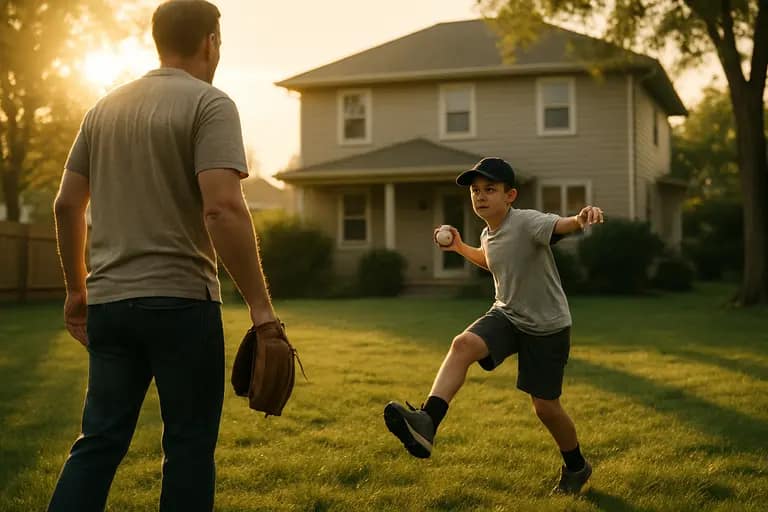
One of the clearest ways parents can help is by reducing noise. During games, a player may already be hearing from a head coach, assistant coach, teammates, and the opposing dugout. Extra instructions from the stands can split attention. Cheer effort, stay positive, and let the baseball instruction come from the dugout.
If a parent has a concern, the best time is not during a game or right after a tough loss. Ask for an appropriate time to talk. Keep the conversation focused on the player’s development, role clarity, safety, or communication. Avoid making the discussion about another child’s playing time or comparing players.
Use Goals The Player Can Control
Baseball parent support works better when goals are specific and reachable. A 10U player might focus on getting ready before every pitch. A middle school catcher might work on receiving, blocking, and throwing footwork. A high school hitter might track swing decisions, approach, and strength work. These goals are more useful than chasing attention or status.
Families can also separate team goals from personal development goals. Winning a tournament is a team outcome. Improving first-step reads in the outfield is a player goal. Throwing strikes with a repeatable routine is a pitcher goal. Handling failure without carrying it into the next inning is a maturity goal.
For families comparing events and opportunities, it helps to ask how a setting supports skill growth rather than only asking who will be there. This piece on individual development in youth events can help parents frame those decisions in a player-first way.
Baseball Parent Support On Tough Weekends
Have A Plan For Slumps, Sitting, And Mistakes
Every competitive player will deal with failure. Some will slump at the plate. Some will lose innings on the mound. Some will sit more than they expected. Parents cannot remove those moments, and trying to do so may slow growth. What parents can do is help the child respond with perspective.
After a hard weekend, give the player space first. Later, help identify one lesson and one next step. That might be asking the coach what to improve, getting extra defensive reps, resting a sore body, or simply moving on. The goal is not to pretend disappointment does not hurt. The goal is to teach that disappointment can be handled.
Watch For Pressure Signals
A player who feels trapped may not say, “I am burned out.” Instead, parents may see mood changes, constant complaints about practice, fear of mistakes, or loss of joy around teammates. Those signs do not always mean the child should quit. They do mean the adults should slow down and listen.
Baseball parent support includes permission to talk honestly. A child should be able to say, “I want a break,” “I want to play a different position,” or “I still love baseball, but this schedule is too much.” Parents do not have to agree with every feeling, but they should treat the conversation with respect.
What Texas Baseball Families Can Control
Competitive baseball will always include variables families cannot control: weather, brackets, umpire judgment, roster depth, injuries, and coaching decisions. Parents can control the home environment around the player. That means consistent support, steady expectations, and a willingness to protect the child’s long-term development over a short-term result.
Strong parents are not passive. They ask good questions, understand the schedule, learn basic safety guidelines, and help their child prepare. They also know when to step back. A young player should own more of the baseball experience with each age level: packing gear, communicating with coaches, warming up with purpose, and reflecting on performance.
The healthiest version of baseball parent support is firm, calm, and player-centered. It keeps baseball in its proper place: a demanding sport that can teach skill, discipline, resilience, teamwork, and confidence, but not the only measure of a child’s worth. If families can hold that line through wins, losses, tryouts, and long drives home, they give young players a better chance to stay in the game for the right reasons.