Grady Emerson Texas is more than a prospect headline for families across North Texas. His story gives young players, parents and coaches a local example of how talent, coaching, mentorship and steady development can meet at the right time. For community programs, the value is not in copying every step. The value is in studying what is public, what is verified and what can be taught responsibly at the field level.
Public reporting connects Emerson to Argyle High School, Fort Worth Christian School and a senior-year move to play under Rusty Greer, a former MLB outfielder, according to a KWTX profile. That is a Texas baseball story with a strong community frame: a local player, a high school setting, experienced coaching and the pressure that comes with national attention.
What Grady Emerson Texas Shows Young Players
Grady Emerson Texas And Local Expectations
Young players often hear about rankings, draft boards and showcase buzz before they fully understand the daily work behind them. Grady Emerson Texas can help reset that conversation. The public facts point to a player who developed inside North Texas baseball circles, changed school settings before his senior season and worked with a coach who had professional playing experience. None of that guarantees a result for another player, but it does show that environment matters.
For a 13-year-old shortstop in Denton County, a 15-year-old hitter in Tarrant County or a high school player training between fall ball and spring tryouts, the lesson should stay practical. Be coachable. Keep grades and daily habits in order. Treat defense, baserunning and team work as part of the profile, not side work. A player’s public reputation may rise during showcase seasons, but the foundation is built during less visible hours.
What Families Should Take From The Story
Families should be careful not to read one player’s path as a map for everyone. Transferring schools, seeking a certain coach or chasing a bigger platform can carry academic, family and athletic tradeoffs. Emerson’s reported move to Fort Worth Christian is part of his story, but the broader takeaway is simpler: families should look for settings where instruction is clear, competition is appropriate and the player can grow without skipping basic development steps.
A North Texas Path Built On Coaching
Why Coach Experience Matters
KWTX reported that Emerson transferred to Fort Worth Christian for his senior year to play under Rusty Greer. For youth programs, that detail matters because coaching experience can shape how a talented player handles harder practices, sharper evaluation and higher expectations. A coach with professional playing experience may bring useful context about routines, preparation and the way a player responds after poor at-bats or defensive mistakes.
That does not mean every strong player needs a former major leaguer in the dugout. Texas has many capable high school, private instructor, travel-ball and community coaches. The lesson is that the coach-player fit matters. Players need instruction they can understand, honest feedback they can trust and practice plans that connect to game speed. Families should ask what a program teaches, how it measures progress and how it handles players who mature at different rates.
Development Over Noise
The pressure around a nationally discussed player can create noise for younger athletes. Community programs can use Emerson’s public story to bring the focus back to repeatable training. Infielders still need footwork. Hitters still need strike-zone judgment. Runners still need reads and first-step habits. Teammates still need to learn how to compete without making every weekend feel like a career verdict.
That message is especially useful in Texas, where travel distances, tournament schedules and year-round training can put stress on families. A good program should help players build strength, skill and confidence while protecting time for school, recovery and family life. The best development spaces do not sell panic. They teach players how to prepare.
Mentorship, Multi-Sport Growth And Patience
The Bobby Witt Jr. Connection
MLB.com reported that Emerson has been mentored by Bobby Witt Jr., with both players tied to the Dallas-Fort Worth area and similar baseball backgrounds, in an MLB.com profile. For local players, that mentorship detail may be the most relatable part of the story. Young athletes benefit when someone ahead of them can explain what the next level feels like, how the daily routine changes and how to stay steady when attention grows.
Mentorship does not have to come from a major league player. It can come from a varsity senior helping a freshman, a college player returning to speak at a winter clinic or a trusted coach checking in after a difficult tournament. The point is connection. Texas baseball families should value programs that create healthy contact between age groups, because younger players often learn best when instruction is paired with example.
Basketball As Part Of The Athletic Base
MLB.com also reported that Emerson was a standout basketball player and was coached in AAU by former NBA player Jermaine O’Neal. That detail is worth attention for baseball families. Multi-sport backgrounds can support movement, competitiveness and body control, even though no single sport mix guarantees baseball success.
For community coaches, the safer teaching point is balance. A player can be serious about baseball without losing every other athletic experience too early. Basketball asks athletes to change direction, process spacing, compete through contact and make quick decisions. Those traits can help a baseball player, especially one who plays a skill position, but families should still make choices based on health, schedule load and the player’s long-term interest.
Community Lessons For Families And Coaches
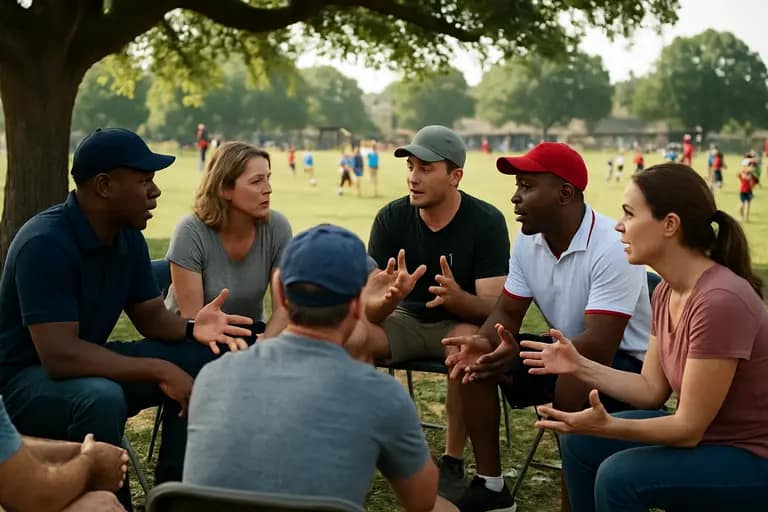
How Clinics Can Use The Example
Local clinics and development nights can use Emerson’s story as a discussion starter without turning it into hype. A coach might build a session around shortstop footwork, pre-pitch movement, competitive at-bats or the value of asking better questions during instruction. The goal should be to make the story useful for the 10-year-old learning how to field with rhythm and the 17-year-old preparing for a high school season.
- Teach players to separate public attention from daily preparation.
- Encourage families to evaluate coaching fit, practice structure and academic support.
- Use older players and alumni as mentors when those relationships are healthy and supervised.
- Keep multi-sport participation on the table when it fits the athlete’s body, schedule and goals.
Keeping The Message Grounded
Community programs should avoid promising that any player can follow the same path. Emerson’s public profile is rare. Most players will not receive the same level of attention, and that is not a failure. The deeper mission of Texas player development is to help athletes become better teammates, stronger students and more complete competitors, whether they reach college baseball, professional baseball or simply finish high school proud of their growth.
That grounded approach serves scouts and coaches, too. When programs teach process over attention, players are easier to evaluate. Their habits show in warmups, between pitches, after errors and during close games. Those details matter in baseball because talent is only part of the picture.
Why Grady Emerson Texas Matters For Player Development
A Local Example With Practical Value
The best use of Grady Emerson Texas is not as a slogan. It is as a local case study for patient instruction, trusted mentorship and athletic range. His reported connections to Argyle, Fort Worth Christian, Rusty Greer, Bobby Witt Jr. and high-level basketball coaching give families several teaching points that fit community baseball.
For Texas youth baseball, that is enough to matter. A young player can see that a North Texas athlete reached national attention while still being shaped by local schools, coaches and mentors. A parent can see that development choices deserve care. A coach can see a reminder to teach the whole athlete, not just the swing or the arm. That is the lasting community value: a Texas story that points players back to the work they can do today.