Your most important job from the bleachers isn’t just about snacks. It’s about shaping your child’s athletic journey. You’re more influential than any coach’s playbook.
This is more than cheering for wins. It’s about teaching resilience. It’s about loving the game, not just winning.
Think of it as investing in your child’s character. Focus on effort, not just results. This builds lasting confidence.
Modeling grace and teaching sportsmanship are key. This helps your child learn to handle pressure well.
Supporting their well-being and healthy communication is vital. It creates a safe space for growth. This way, you teach teamwork while giving them independence.
Places like the Texas Rangers Youth Academy know this well. They focus on talent, but also on building people.
Before giving advice, remember. Your biggest tool in parents youth baseball is your mindset. It shapes your child’s journey, from home to the field.
Balancing Encouragement and Pressure
What if the most critical pitch in your child’s game isn’t thrown from the mound, but from the stands? Every parent wants to be their kid’s number one fan. But crossing the line between fan and fanatic is dangerous.
Encouragement is like oxygen. It fuels effort and makes growth possible. Pressure, on the other hand, is like carbon monoxide. It’s invisible, toxic, and can suffocate the joy from the game.
A study from Hermosillo, a real baseball hotbed, looked at this issue. They asked a simple but profound question: are you cheering for the experience or the outcome?
They found two types of parental dreams. Intrinsic aspirations focus on personal growth and relationships. Think of the dad who values life lessons from tough losses.
Extrinsic aspirations are about wealth and fame. This is the parent already planning for a scholarship or victory laps.
The findings were clear. Fathers with intrinsic aspirations met their children’s core needs. Their kids felt autonomy, competence, and relatedness.
These kids were already planning next season’s practice. Baseball was a journey they owned.
On the other hand, dads with extrinsic aspirations frustrated these needs. The child’s autonomy felt like an illusion. Their competence was never enough. The connection to the team felt transactional.
The outcome? Those kids were mentally drafting their retirement speech from the sport. The weight of external expectations became too heavy to carry.
| Parental Aspiration Type | Impact on Child’s Psychological Needs | Likely Long-Term Outcome |
|---|---|---|
| Intrinsic (Growth, Connection) | Satisfaction of Autonomy, Competence, Relatedness | Continued participation, intrinsic motivation, resilience |
| Extrinsic (Fame, Wealth, Image) | Frustration of Autonomy, Competence, Relatedness | Increased dropout intention, burnout, performance anxiety |
| Mixed/Unconscious | Conflicting signals, inconsistent need fulfillment | Uncertain motivation, dependent on short-term results |
The takeaway isn’t to stop wanting success for your child. That’s natural. The key is to audit your motivations. Is your sideline behavior a scaffold for their growth, or a cage for your own unmet dreams?
True support means asking “Did you have fun?” before “Did you win?”. It’s celebrating the practice session as much as the game-winning hit. It’s understanding that your most important role isn’t as a talent agent, but as a psychological safe base.
When your encouragement is rooted in the intrinsic value of the experience, you provide a type of support that no amount of pressure can ever replicate. You’re not just building a better ballplayer. You’re helping build a more resilient, self-motivated human.
Building Positive Routines
Creating a positive routine is not about being too strict. It’s about using your energy in a good way. Imagine it like managing a project for your 10-year-old’s growth. The goal is to make development happen easily.
For a long time, sideline etiquette was all about what not to do. Don’t yell at the umpire. Don’t coach from the stands. This made parents seem like a problem to be managed. What if we changed that?
Today, a winning routine makes you a part of practice. You become more than just a spectator. Smart coaches see the value of the sideline.
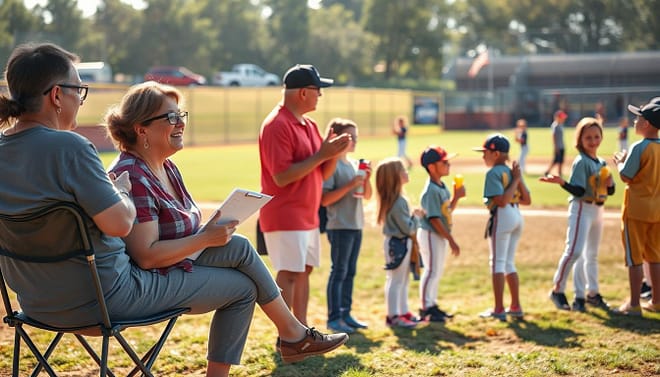
How does this work? Start by being open. Share practice plans via email to be more involved. This way, you know what’s happening and can talk about it.
Then, give parents roles before the season starts. It’s not about being an expert. It’s about caring.
- The engineer parent manages the equipment log.
- The organized mom handles snacks.
- The former player focuses on bullpen practice.
Now, you have a stake in the game, not just your child’s performance.
The Open Door Policy for practices is key. It turns the sideline into a place of support, not criticism. You see the effort up close and help instead of criticizing.
Good communication holds it all together. It’s the weekly email from the coach that explains everything. This teamwork makes routine a shared effort. You’re not just waiting for practice to end; you’re part of it.
| Aspect of Involvement | Old Sideline Etiquette | New Sideline Etiquette |
|---|---|---|
| Communication | Reactive; questions after games. | Proactive; shared practice plans and weekly updates. |
| Parental Role | Spectator/Critic | Logistics Support & Focus Keeper |
| Practice Access | Drop-off and leave. | Open-door observation with defined, non-intrusive roles. |
| Problem-Solving | Complaints directed at coach. | Solution-oriented support within assigned boundaries. |
| Overall Goal | Minimize disruption. | Maximize environmental contribution to player focus. |
This change is big. Routine now has a team behind it. You go from critic to co-creator. The focus shifts from just winning to building a supportive environment. This is where your child can grow and learn.
Handling Wins and Losses
The scoreboard is like a Rorschach test for parents youth baseball fans. What you see in a loss can tell you more about yourself than the game. It’s a test of your parenting philosophy, where your words meet reality.
The car ride home after a game is key. It’s where your child learns from you. How you react to a tough loss or a big win shows what you value most. If you blame others, you teach victimhood. If you praise your child too much, you undermine teamwork.
Good sportsmanship isn’t about hiding your feelings. It’s about understanding the bigger picture of growth. Research shows that feeling frustrated after a loss can make kids want to quit. Your reaction can either help or hurt their love for the game.
So, what should a wise parent do? Have a plan for how to react. Start with something positive, like “I love watching you play.” Then, ask questions that help them think about their game. Ask about what worked well or how the team supported each other.
Think of yourself as a story editor, not a critic. Your role in parents youth baseball is to help your child focus on the right parts of the game. Emphasize the importance of teamwork and perseverance. Ignore the bad calls and lucky hits. This builds strength that lasts long after the game is over.
The final score and trophy may fade, but the lessons you teach last. Did you teach that winning is everything, or that trying is what matters? Your answer will decide if they want to play again or not.
Parent-Peer Networks
Isolation can drive you crazy during a long season. Building a parent-peer network is essential. It’s like having a backup dugout for adults. It’s not about gossip or cliques. It’s about forming a strong team against the chaos of youth baseball.
The season starts with a big meeting for parents. This isn’t just about rules. It’s where you decide what’s important. Will you focus on growth or winning? Getting this clear helps everyone support each other.
But meetings can’t stop there. You need regular check-ins. Even a quick five-minute huddle after practice helps. It keeps everyone working together smoothly.

The real magic happens in casual moments. Carpool chats and coffee after practice are key. These moments help everyone feel less alone. They also let you share concerns and get feedback.
So, what makes a strong support network? It’s a mix of planned and spontaneous moments.
| Network Type | Purpose | Key Action | Benefit |
|---|---|---|---|
| Formal Parents’ Meeting | Set cultural & philosophical alignment | Discuss season goals, communication rules | Creates a unified front and shared expectations |
| Weekly Planning | Maintain logistical harmony | Coordinate rides, snacks, volunteer slots | Reduces last-minute chaos and admin stress |
| Informal Social | Build relationships & provide reality checks | Share a coffee, chat during warm-ups | Offers emotional support and perspective |
This network helps everyone feel normal. When a kid strikes out, others understand. This shared feeling helps a lot. It also teaches kids about teamwork and support.
This makes the season more than just games. It’s a shared journey. Wins feel better, and losses are easier to handle. It’s not just about the game. It’s about the community you build together.
Volunteer Opportunities
Volunteering is the ultimate application of sideline etiquette. It means moving from just watching to actively helping. It’s a way to turn your energy into something useful.
So, what does volunteering look like? There are many roles, and you don’t need experience. You can make a difference without being a former star.
- Run the scorebook. It’s the official game story.
- Manage the pitch count. This job is key to protecting young pitchers.
- Organize the post-game hydration station. A vital role on hot days.
- Lead a base-running drill if you’re agile, or be the reliable fungo-hitting machine.
- Organize in-game responsibilities like tracking first-to-third times or coaching first base.
The magic starts with clear requests. A vague “We need help” doesn’t work. Being specific helps. For example, asking for someone to track first-to-third times on Tuesday is clear.
Leading a pre-season ‘Coaches/Parents Clinic’ helps too. Explain the importance of these roles early. Show them it’s not just busywork, but essential.
This changes how you see your role. You’re no longer just watching. You’re a stakeholder in the process. This change is big.
You understand the game better. You know why the coach made certain calls. You were the one counting pitches. This knowledge helps you offer better support.
In the end, volunteering is the best way to show sideline etiquette. It turns your passion into something useful for the team.
Conclusion: Lifelong Impact
So, what’s the final score? The wins and losses don’t matter much anymore. The trophy will eventually lose its shine.
The real impact of your role in youth baseball isn’t about winning games. It’s about building resilience and teamwork. Your support helps create strong individuals, not just athletes. Places like the Texas Rangers Youth Academy understand this.
They teach life lessons that go beyond baseball. This is similar to what the MLB Players Alumni Association clinics do. They teach kids to handle life’s ups and downs.
You’re teaching them to face challenges, to belong, and to find joy in trying. When they’re 35 and facing a tough deadline, they won’t remember a specific strikeout. But they’ll use the resilience you taught them. That’s the true championship legacy. It’s the best support a parent can give.