Your kitchen counter is a minefield of glossy flyers. Your Instagram feed is a barrage of elite club ads. And the advice from other dugout dads is… well, let’s just call it enthusiastically biased.
This isn’t just picking a summer activity. It’s a strategic investment in your child’s time, your family’s sanity, and, let’s be real, your bank account.
I’ve been there, watching a ten-year-old have an existential crisis over a pop fly. The rec league vs. travel team debate isn’t about which hat looks cooler. It’s about aligning a program with your kid’s future goals and your current reality.
Think of this as your analytical playbook for navigating the travel ball industrial complex. We’re cutting through the hype to find the actual right fit—the one that won’t have you questioning all your life choices by the third tournament weekend.
Why the “right fit” beats the “biggest name”
Let’s look at a common mistake parents make. They think a program’s size means it’s right for their child. The shiny uniforms and social media posts of wins are tempting. They promise top competition and scouts.
But, the truth is often hidden by marketing. The most famous programs might not be the best for most players. It’s like putting a talented high school actor in a Broadway show. They might feel overwhelmed and lose confidence.
Many sources point out this problem. A program focused on winning might not be good for a player who just wants to improve. Your family’s goals for fun and growth might clash with their focus on winning.
The right fit is a perfect match. It’s where the coaching style fits your child’s learning way. The costs don’t stress you out, and there’s time for other things too.
Choosing based on fame is like buying a Ferrari for your daily school run. It looks cool but isn’t practical. It wastes its and your time.
To make a real choice, let’s compare:
| Factor | The “Biggest Name” Program | The “Right Fit” Program |
|---|---|---|
| Core Philosophy | Winning is everything; only for the top 5% of players. | Player growth is key; skills, confidence, and love for the game matter. |
| Player Experience | Not everyone plays; high-pressure environment. | Everyone gets to play; focus on mastering the basics in a supportive place. |
| Family Impact | Big costs and time; schedule rules everything. | Costs and schedule are manageable; balance with school and family is kept. |
| Development Focus | Team wins over individual growth; system-first. | Personal skill plans; coaching fits the player’s needs. |
| Long-Term Outcome | Potential burnout or low confidence if not a star; “survival of the fittest.” | Increased baseball smarts, enjoyment, and readiness for the next level. |
The right column isn’t about settling. It’s about choosing wisely for your child’s growth. The famous name offers a dream. The right fit gives a real, positive experience.
This insight is the first step. Once you see past the logos, you can look at the real factors in program selection that matter.
Program Types at a Glance: Decoding the Youth Baseball Ecosystem
Before picking a team, it’s key to know the five main leagues of youth baseball. Each league offers a unique version of the game. Choosing one is more than just about skill. It’s about picking a lifestyle, a sports economy, and a cultural mindset.
Let’s look at the main contenders: Rec Ball, the community-focused league; Select/Travel, the competitive circuit; Academy, the professionalized league; High School Feeder, the politically-charged league; and Private Training, the supplemental tutor. It’s like choosing between a town hall, a minor league, an Ivy League campus, a political campaign, and a masterclass.
Rec Ball: The Democratic Ideal. This league is like a community picnic with bases. The coach might be your neighbor. The post-game snack schedule often gets more talk than the standings. The focus is on everyone playing. It’s great for building skills and a love for the game without the pressure of cuts or intense travel.
Select/Travel: Where Meritocracy Enters. Here, the focus shifts to player development and competition. Teams are formed through tryouts, and cuts are a reality. The “travel” aspect varies. “Select” might mean games in the next county. Full “Travel” ball can involve flights to Florida for national tournaments under banners like USSSA or AAU.
The Academy: The Professionalized Pipeline. This is the Ivy League of youth baseball. It’s about multi-team, multi-age operations with elite facilities and salaried coaches. Organizations like CBA are examples. The goal is often a direct pipeline to collegiate or professional play. The price tag reflects this ambition.
High School Feeder Programs: The Political Arena. These are club teams unofficially aligned with a powerhouse high school program. The goal is to prime players for that school’s team. The politics here can be thicker than pine tar. It’s a strategic choice for families with long-term, hyper-local ambitions.
Private Training: The Specialized Tutor. This doesn’t replace a team experience but can dramatically accelerate skill development. Think of it as hiring a tutor for a specific subject. A great hitting or pitching coach can provide the individualized attention that even the best team practices cannot.
To cut through the noise, here’s a direct comparison of the three most common models parents weigh:
| Dimension | Rec Ball | Travel Baseball | Academy Model |
|---|---|---|---|
| Core Philosophy | Participation & Fun | Competition & Development | Elite Pipeline & Professional Training |
| Competition Level | Local, inclusive | Regional/National, merit-based | National, highly curated |
| Time/Money Commitment | Low (local games, volunteer coaches) | High (travel costs, paid coaches, tournament fees) | Very High (tuition, elite facilities, year-round focus) |
| Best For… | New players, social experience, balanced childhood | Committed players seeking higher competition and visibility | The highly dedicated athlete targeting collegiate/pro play |
The rec vs travel vs academy debate isn’t about finding the “best” baseball. It’s about finding the right fit for your child’s goals and your family’s capacity. A misfit can lead to burnout, resentment, and an empty wallet. Choose the culture, not just the jersey.
Fit factors: athlete age, goals, position, family time/budget, distance
Choosing a youth baseball program isn’t about winning trophies. It’s about finding the best fit for your family. You’re looking at coaches, fields, and more. You’re also checking your schedule, budget, and sanity.
Let’s look at the five key factors. This is like a report card for your child’s baseball experience.
Athlete Age & Goals: The Reality Check
Is your eight-year-old a baseball star or just a fan? There’s no wrong answer. But, the right program depends on their age and goals. A 14-year-old aiming for college needs a different program than a 12-year-old who loves band and family trips.
Be honest. Is this about their dream or your dream?
Position & Development: The Opportunity Map
Getting a spot on the team is easy. Finding real opportunities is hard. Does the team offer chances for growth, not just a jersey? Ask if your child will get to improve or just sit.
Now, let’s talk money. Team fees can range from $1,500 to $4,000. Travel adds $2,000 to $5,000. That’s an $8,000+ total for an “elite” team. You need to compare costs to your family’s budget. Can you afford this without feeling overwhelmed?
Family Time: The Currency You Can’t Get Back
Money is one thing, but time is everything. Every weekend at a tournament means missing out on birthdays and family time. This is a big sacrifice. Does the team’s mission match your family’s values enough to justify this?
Think about what you’ll miss.
Distance: The Hidden Tax
Location can be a big budget killer. A 100-mile round trip for practice twice a week is a lot. Add gas, car wear, and fast food dinners. The “best” team an hour away might not be worth it compared to a closer team.
This is a practical cost comparison.
| Fit Factor | Key Questions to Ask | Typical Impact |
|---|---|---|
| Age & Goals | Is the program’s focus on fun, skill-building, or college recruitment? Does it match my child’s current passion? | Directly affects player enjoyment, motivation, and long-term engagement in the sport. |
| Position & Opportunity | Will my child get meaningful reps at their preferred position? Is the coaching adaptable? | Determines real skill development versus bench-warming. Impacts confidence. |
| Family Budget | What is the TOTAL annual cost (fees, travel, gear)? What financial strain does this create? | The biggest source of family stress. A poor fit here can poison the entire experience. |
| Family Time | How many weekends are committed? What family events will we consistently miss? | Affects sibling relationships, parental burnout, and overall family harmony. |
| Distance | What is the true weekly commute time and cost? Is the travel sustainable for 8 months? | Adds hidden costs, reduces practice attendance, and increases overall fatigue. |
This audit isn’t pessimistic. It’s protective. You want a program where the investment feels right. Sometimes, the best comparison is between baseball and your child’s childhood. For more on balancing priorities, check our comprehensive guide to choosing a baseball program.
Coaching quality: certifications, playing/coaching history, practice design, player‑to‑coach ratio
The most important thing on the field isn’t the bat or glove. It’s the coach and their plan. A good coach can change a player’s life. A bad one is just a babysitter. You need to know the difference.
First, check the certifications. Look for CPR, First Aid, and SafeSport training. These show the coach is serious about safety and professionalism. Without these, it’s not a good program.
Then, look at the coach’s past. Some coaches are former players. But playing well doesn’t mean they can teach. A coach who can’t explain the basics is not good.
Examine their coaching history closely. How long have they coached? What do they believe in teaching? A simple comparison can help:
| Focus Area | Playing History | Coaching History |
|---|---|---|
| What it tells you | Personal athletic achievement, game experience. | Ability to communicate, structure learning, and manage a group. |
| The Risk | The “Do as I did” coach who can’t adapt to different learning styles. | The “Theory-Only” coach with no practical feel for the game. |
| The Sweet Spot | A coach with solid playing experience and a documented history of improving players over multiple seasons. | |
The best way to judge is by watching a practice. Does it look organized and fun, or boring? A good practice is fast and focused. It’s like a well-run chaos.
Also, check the player-to-coach ratio. Too many kids with one coach means poor instruction. Look for programs with more coaches. This way, kids get better feedback.
Watch out for “Daddy Ball” too. It’s when the coach’s kid gets all the attention. This is not fair to other players. It’s bad for everyone’s morale and growth.
Coaching is a mix of things. Certifications are the base. History shows they can teach. Practice design shows how they teach. Get this right, and you’ve found a great coach. Get it wrong, and it’s a waste of money.
Safety & wellbeing: pitch counts, return‑to‑throw, concussion plan, DEI policies
A baseball program’s true character isn’t shown in winning photos. It’s shown in its safety policies and how it treats injured players. If a director dismisses your safety concerns, it’s a red flag. A program that values wellbeing sees your child as a person first, an athlete second.
Pitch Counts & The Sacred Arm. We’re talking about strict USA Baseball rules, not just suggestions. Is an “ace” pitcher allowed to throw 95 pitches one day and 70 the next? That’s not safe. A good program follows pitch counts and has a clear “return-to-throw” plan for any arm issues.
The Concussion Plan: More Than Dirt. “Rub some dirt on it” is outdated, not a medical solution. You should ask if there’s a formal concussion plan. Who decides if a player can return to play—a certified trainer or a volunteer dad? Not having a plan is dangerous.
DEI Policies: Is This Club Just for the 1%? A lack of diversity is a valid concern. Is the program only for kids from wealthy families? Does it offer scholarships or sliding-scale fees? Is the environment welcoming to all? True team culture values respect, not exclusivity.
To understand how different programs handle safety policies, here’s a comparison. It helps you spot the doers from the talkers.
| Program Type | Pitch Count Adherence | Formal Concussion Plan | Active DEI/Financial Aid | Overall Safety Priority |
|---|---|---|---|---|
| Recreational (Rec) | Variable; often relies on volunteer awareness. | Rarely formalized; depends on league oversight. | Low; built on local participation, but rarely has structured aid. | Moderate; focus is on fun, but systems can be lax. |
| Travel/Select | High; but can be compromised to win tournaments. | Becoming more common; often a requirement for sanctioning. | Low to Moderate; some offer scholarships to attract talent. | High in theory, but competition pressure can create blind spots. |
| Academy | Very High; core to their long-term development brand. | Standard; usually has medical staff or clear protocols. | Often Low; high costs can create socioeconomic barriers. | Very High for physical health, but community health varies. |
| High School Feeder | Moderate to High; follows school district athletics policies. | Formal; typically mandated by the school or state association. | Built-in; public schools are inherently more accessible. | High; bound by institutional regulations and liability. |
Asking these questions isn’t being a difficult parent. It’s being a smart one. A program’s safety policies are its immune system. You’re checking if it can fight off dangers like overuse and exclusion. If answers are vague or non-existent, it’s a sign to look elsewhere. The right fit isn’t just about sports; it’s about a safe and respectful environment.
Development environment: reps vs trophies, individualized plans, feedback culture
Choosing a development environment in youth baseball is like picking between two movies. One is all about winning, the other about learning. You must decide which one to watch.
Is this program a trophy factory or a skill incubator? The first gives out fake awards. The second builds real players.
The best programs focus on growth. They value reps over trophies. Winning is a result of improvement, not the main goal.
Think of it like investing. Do you want quick gains or steady growth?
Source 2 suggests finding a balance. A competitive environment is good, but it needs to support growth. It’s about challenging kids to improve, not just to play.
Look for individualized development plans. Does the coach have a plan for your child’s specific skills? Or is it a one-size-fits-all approach?
A true skill incubator is like a tailor. They make plans based on each player’s unique needs. This is what makes a teaching culture different from a transactional one.
Also, check the feedback culture. Is it constant, helpful, and clear? Or is it just a series of shouted corrections?
Good feedback focuses on the process, not just the result. A well-played ground ball, even if it’s an error, is a win. A bad environment only cheers for hits, no matter how they’re made.
Look for a culture that values the quality of the repetition. It’s about the intention behind the reps, not just the reps themselves.
In the end, a strong development environment is like a workshop. It’s about learning and growing, not just winning. The goal is to make a better, more confident player.
Tryout/visit checklist + questions to ask directors
Going to a tryout without a plan is like buying a car without knowing your budget. You might end up with something expensive that you can’t afford. It’s not just about seeing if your kid makes the team. It’s about checking the whole program.
Getting the real scoop often happens during an unannounced visit to a regular practice (if allowed). Brochures might look good, but practices show the truth. Don’t just show up on tryout day. See the real vibe on a Tuesday afternoon.
Your Observational Checklist:
- Coach-Player Interactions: Is the instruction respectful? Do coaches help everyone, or just the stars? Listen for the tone—is it helpful or hurtful?
- Practice Pace & Design: Is there chaos or is it organized? Are kids standing around, or is there a good rhythm? Watch how drills change.
- The Parent Vibe Check: Look at the stands. Are parents calm and engaged, or do they look unhappy? Unhappy parents might mean a bad team culture.
- Facility & Equipment: It doesn’t have to be perfect, but is it safe and well-kept? Are the baseballs new, or old?
After observing, it’s time to ask questions. The director’s office is like a press conference. Ask tough questions and pay attention to how they answer.
The Non-Negotiable Questions for the Director:
- “What is your program’s written philosophy on playing time versus player development?” If they struggle to answer, you know. You want a program that focuses on development, not just winning.
- “Can you provide a detailed, written estimate of total annual costs—including travel, uniforms, and ‘optional’ fees?” The initial cost is just the beginning. A clear program will have all the details ready.
- “What is your specific, written protocol for pitcher arm care and return-to-throw programs?” Vague answers about “being careful” are a warning sign. You want clear plans for pitch counts, rest, and arm health.
- “How do you mediate conflict between parents, or between a parent and a coach?” Every program has disagreements. Good ones have a way to handle them. If they say “we’ve never had that,” they’re not telling the truth.
- “What is your player retention rate year-over-year?” This shows if kids are happy and want to stay. A high rate means the program is working well.
How they answer these questions is as important as the answers themselves. If they’re defensive, evasive, or condescending, it’s a red flag. You’re not being hard to please; you’re being smart. The tryout is their chance to evaluate your child. Your visit and questions are your chance to evaluate them. Make it count.
Sample decision matrix (scorecard you can print)
The ‘shiny uniform’ effect is real, but a simple spreadsheet can reveal the true value behind the logo. We’ve talked gut feelings and checklists. Now, let’s get analytical. This is where you move from overwhelmed parent to savvy analyst.
Think of it as spreadsheet therapy. You’re going to build a weighted decision matrix. This tool forces a true cost comparison—of both money and everything else that matters.
Here’s the blueprint. Create columns for each program you’re considering. The rows are your criteria, pulled straight from our previous deep dives.
Now, the magic is in the weights. Not every factor matters equally to your family. Assign a number from 1 (nice to have) to 10 (non-negotiable). Is budget tight? Maybe Cost gets a 10. Is a short commute critical for sanity? Location might be a 9.
Next, score each program from 1 to 5 on each criterion. Be brutally honest. Then, multiply the score by the weight. Add up the totals. The program with the highest number has, on paper, the best alignment with your prioritized values.
| Criteria | Your Weight (1-10) | Local Select Club | Elite Academy | Community Rec |
|---|---|---|---|---|
| Coaching Quality | ||||
| Cost (Fees, Travel) | ||||
| Location / Commute | ||||
| Safety & Wellbeing Policies | ||||
| Development Focus | ||||
| Family Time Impact | ||||
| Kid’s Gut Feeling | (Don’t weight this—it’s its own thing) | |||
| TOTAL SCORE |
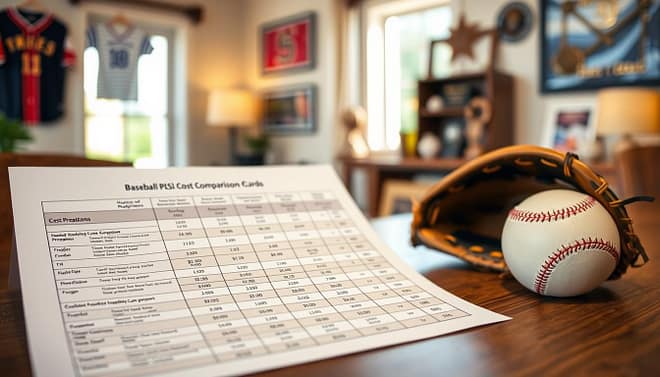
See the blank cells? That’s your homework. Print this, grab a pen, and fill it in together. The act of assigning numbers sparks conversations you might overlook.
Here’s the pro-tip you didn’t know you needed. See that “Kid’s Gut Feeling” row? Use it. Sometimes their intuition about a coach or team vibe is the most important data point of all. It doesn’t get a weight, but it gets a highlight.
The final score isn’t a divine mandate. A program that wins by two points isn’t automatically the choice. The power is in the process. It shows you when you’re being seduced by flashy facilities (high cost, medium coaching score) over a humble program with superb development (low cost, high coaching score).
Stare at the completed grid. Which program has a shockingly low number in the cost comparison column but shines everywhere else? That’s your value pick. Which one has a middling total but a perfect 5 in “Kid’s Gut Feeling”? That’s your heart pick. The matrix doesn’t decide. It enlightens.
Red flags and when to say no
Choosing a youth baseball program is more than just looking at facilities. It’s about noticing warning signs that show it’s not right. Your intuition is more important than any brochure. Ignoring your gut feelings can lead your child to burnout, anxiety, or losing interest in the game.
Let’s get to the point. Here are the clear red flags that mean you should stop and think.
The Blank Check: If the program director talks about “fees” vaguely, it’s a big warning sign. A good program is clear about costs. This includes tuition, uniforms, tournament fees, and travel. No hidden costs.
The Ghost Director: If the leader is always hard to reach or seems busy all the time, it’s a problem. This shows poor organization and disrespect for families. It affects everything in the program.
The Screamer: Some coaches yell at kids to motivate them. This is not tough love; it’s emotional abuse. A culture of yelling and intimidation can make kids lose confidence and joy. It leads to burnout.
The Daddy Ball Dynasty: If the coach’s kid always gets the best spots, it’s unfair. This creates a bad atmosphere where talent doesn’t matter. It makes other players unhappy and stops their growth.
The No-Plan Plan: At practice, if it’s chaotic and there’s no plan, it’s a red flag. No structure or safety rules show a lack of care for player growth and safety.
The Pressure Cooker: Programs that focus too much on winning for young kids are a warning sign. This focus on trophies over learning is bad. It puts the program’s pride over the kids’ development.
| Red Flag | What You’ll See & Hear | The Real Risk |
|---|---|---|
| The Blank Check | Vague talk of “additional fees,” no written budget, surprise charges. | Financial strain causing family tension and possible mid-season withdrawal. |
| The Ghost Director | Unreturned calls/emails, absent from key events, deflects all questions. | No accountability, poor communication in crises, chaotic organization. |
| The Screamer | Coaches yelling at mistakes, using humiliation, negative tone dominates. | Player anxiety, loss of self-esteem, increased risk of burnout and quitting. |
| The Daddy Ball Dynasty | Lineups and positions seem pre-determined by parent relationships. | Unfair environment, stifled development for non-favored players, team division. |
| The Pressure Cooker | Emphasis on winning and rankings for young age groups, constant “exposure” talk. | Early burnout, sport becomes a job, loss of intrinsic fun and love for baseball. |
So, when do you say no? It’s not always easy, but these are your non-negotiable moments.
Say no when the cost is too high and it’s causing stress at home. Baseball shouldn’t be expensive. Say no when your kid doesn’t want to go to practice or is nervous on game days. That’s their way of telling you something’s wrong.
Say no when the coach’s values make you uncomfortable. If they ignore diversity or encourage bad sportsmanship, it shows their character. Say no when the fun is gone for your athlete. It’s not about you, but about the child playing.
Remember, saying “no” to the wrong program is a smart move. It’s saying “yes” to your child’s well-being, your family’s happiness, and finding a better program. This isn’t a failure. It’s a wise choice for your child’s future.
Action plan: 30‑day trial and review
The ink is dry. The cleats are scuffed. Now, it’s time for the first episode of your child’s baseball program. Think of the first month as a 30-day review, not a permanent choice.
After four weeks of drills and teamwork, gather your family. Ask if the coaching style fits the tryout atmosphere. Is the schedule working for your family? Watch your child’s reaction. Are they excited to talk about the game, or is the spark gone?
Get out your decision matrix—that scorecard from section nine. It’s your guide. Check the coaching, player growth, and family time costs. See if the promised goals match what’s happening on the field.
Seeing red flags? You’re not being overbearing; you’re a smart manager. Share your findings with the program director. A good youth baseball program values your feedback, not sees it as a challenge.
This plan makes you more than a spectator. It turns you into a co-pilot. Finding the right fit is a journey, not a single buy. The 30-day review shows you’ve made the right choice.