Texas Baseball Coaches carry more than lineup cards into tournament weekends. They set the pace for teaching, player confidence, family communication, and the daily habits that help young athletes compete without losing sight of long-term growth.
Across Texas, the tournament calendar can stretch families from Friday evening check-ins to late Sunday drives home. In that setting, player development is not only about who wins the pool or who reaches the bracket final. It is about how a coach handles warmups, pitching plans, defensive mistakes, dugout tone, and the short conversations that happen between innings.
The available research does not provide a complete statewide baseball tournament schedule for every age group, so this piece does not pretend to be a calendar. Instead, it looks at what is supported: Texas has a large coaching base, major coach-education gatherings, and a youth sports culture where tournament leadership affects player growth.
Why Texas Baseball Coaches Set The Tournament Tone
The Statewide Coaching Base
Texas has one of the largest coaching communities in the country. As of 2023, the state employed approximately 13,900 coaches and ranked third nationally, according to Texas State coaching statistics. That number is not limited to baseball, but it helps explain why coach development matters so much in a state where school sports, club teams, private instruction, and tournament play overlap.
For baseball families, that scale shows up on the ground. A 10U team in Central Texas, a 14U group in the Metroplex, and a high school summer team near Houston may all face different travel demands, but the coaching needs are similar. Players need clear expectations, age-aware instruction, and adults who can keep competition from turning into rushed, scattered decision-making.
What Coach Education Signals To Families
The 94th Annual Texas High School Coaches Association Coaching School and Convention was held July 19-21, 2026, in Houston, with the event notice listing 387 exhibitors and more than 18,000 coaches and athletic staff connected to the gathering, according to the THSCA convention report. That is a broad high school coaching event, not a baseball-only clinic, but it reflects a statewide commitment to learning.
Texas Baseball Coaches who keep learning are better positioned to serve players during tournament pressure. They may not need a complicated system. They need a clear plan: how many pitches are reasonable, how catchers recover between games, how hitters review at-bats, and how the team responds after an error. Families notice when a coach has a calm structure and uses the weekend as a classroom.
Player Growth Starts Before First Pitch
Practice Plans That Travel Well
Tournament coaching begins before the team arrives at the complex. A useful week of preparation gives players a small set of repeatable priorities. For younger teams, that might mean cutoff communication, first-and-third defense, baserunning reads, and throwing accuracy. For older teams, it might include approach work, pitcher fielding practice, pickoff timing, and situational hitting.
The best tournament practices do not try to cover every possible play. They select the situations most likely to appear during the weekend and rehearse them with purpose. That matters in Texas, where heat, long drives, and short rest windows can make players mentally tired before the most important innings arrive.
Teaching During Tournament Pressure
Texas Baseball Coaches can help players separate performance from identity. A strikeout with runners on base is not a character flaw. A missed sign is not proof a player cannot handle pressure. The coach’s response teaches the dugout what matters next: reset, learn, and be ready for the next pitch.
That approach fits the development-first view we have covered in individual development in youth baseball events. A tournament gives players immediate feedback, but the coach decides whether that feedback becomes useful instruction or noise. Players grow faster when they know what they are being asked to improve and why it matters.
Community Programs Keep Families Connected
Clear Communication Reduces Stress
Parents do not need every strategic detail, but they do need dependable communication. Arrival times, uniform colors, hydration reminders, gate information, and expected postgame routines all affect the family experience. When coaches communicate early, families can plan meals, rest, siblings’ schedules, and travel across large metro areas or rural tournament sites.
Clear communication also protects the player-coach relationship. If a pitching limit or defensive rotation has been explained before the weekend, the sideline is less likely to treat each decision as a surprise. That gives the coach more room to teach and gives the player more room to compete.
Player Ownership Builds Confidence
Community programs should help players take responsibility without making them feel alone. A coach can ask athletes to pack their own gear, track water intake, know the signs, and review one personal goal before each game. Those small habits matter because tournament baseball moves quickly.
Families can support this without taking over. A parent can ask, “What is your plan today?” instead of replaying every at-bat from the car ride. A coach can reinforce the same message in the dugout. Over time, that shared language helps players feel prepared rather than managed.
Tournament Habits Coaches Can Repeat
Between-Game Checks
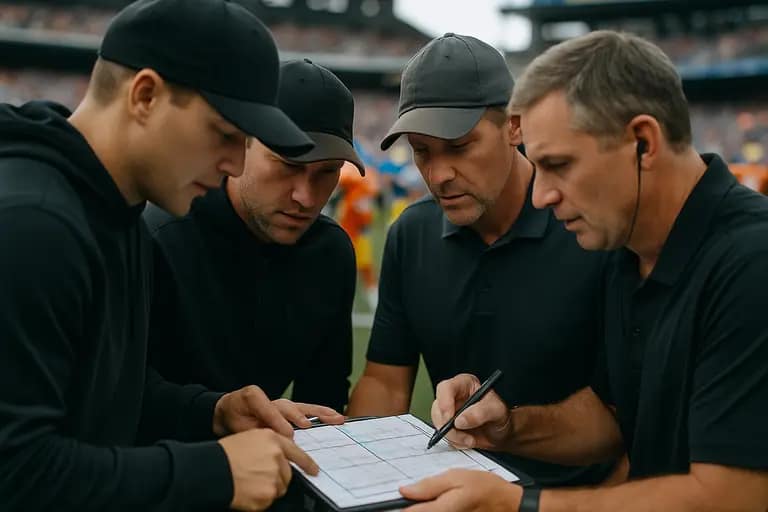
Repeatable habits are often the difference between a long weekend and a useful weekend. Texas Baseball Coaches can protect development by checking on the things that affect performance but do not always appear in the scorebook.
- Review pitcher and catcher workload before setting the next game plan.
- Give hitters one clear adjustment instead of several competing instructions.
- Use shade, water, food, and rest windows as part of the team routine.
- Reset defensive communication before bracket games begin.
- Keep postgame talks short enough for players to absorb the message.
These habits sound simple, but they are not automatic during a tight tournament schedule. Coaches have to model the pace they want from players. If the adults rush, blame, or drift from the plan, the team usually follows.
After-Weekend Review
The most useful review happens after emotions settle. Coaches can look at what the team handled well, what needs practice, and which players may need rest. That review should include more than wins and losses. Were pitchers around the zone? Did outfielders communicate? Did hitters stick to an approach? Did the dugout stay engaged when trailing?
This is where coach-led tournament growth becomes practical. A weekend only helps long-term development if the lessons return to practice. Otherwise, the same mistakes show up again at the next complex.
What Texas Baseball Coaches Can Build This Season
A Steady Standard For Texas Families
Texas Baseball Coaches have a chance to build a steady standard across upcoming tournament weekends: compete hard, teach clearly, protect players, and keep families informed. That standard does not require a national ranking, a flashy claim, or a promise about recruiting. It requires consistency.
For young players, the coach’s voice often becomes the frame for the whole weekend. If that voice is prepared, honest, and focused on growth, players can handle tough innings with more maturity. If that voice is scattered or focused only on the scoreboard, the weekend becomes harder than it needs to be.
Texas has the coaching numbers, the event culture, and the family commitment to make tournament baseball a strong teaching space. The work now is local and practical: better pregame plans, safer workload choices, clearer conversations, and post-weekend lessons that carry into the next practice.