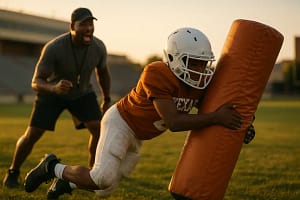
For Texas families, individual development in youth baseball events is the difference between a busy weekend and a useful baseball experience. A tournament, clinic, camp or showcase can offer far more than innings played. It can give each athlete a clearer picture of how they move, how they prepare, how they respond to pressure and how they support teammates.
That focus matters because youth baseball growth is not limited to batting averages, radar readings or a single result on Sunday afternoon. The research shared for this topic points to a wider set of gains: physical fitness, motor skills, teamwork, cooperation, discipline, confidence, character and life skills. Those areas fit the needs of Texas baseball families who want better training environments without turning every event into a ranking exercise.
A development-first event does not ignore competition. Players still need live at-bats, defensive decisions, baserunning reads and game speed. The key is how adults frame those moments. Coaches, event directors and parents can use competition as feedback instead of treating it as the whole purpose. That shift helps young players leave with something they can practice, not just a score they remember.
Player Growth Starts With Skill Ownership
Why Repetition Needs A Clear Purpose
Baseball gives young athletes repeated chances to run, throw, catch and hit. Those actions can support coordination, agility and general athleticism when they are taught with intent. In a Texas event setting, that means warmups, station work and game reps should connect. A player should understand why a throwing progression matters before the first inning, or why footwork work shows up again on a ground ball in game play.
Skill ownership starts when the player can name the adjustment. “Stay balanced,” “finish the throw” or “track the ball longer” may sound simple, but those cues help athletes take responsibility. A coach can repeat an instruction all weekend, yet real development begins when the player can explain the task and attempt it without waiting for correction.
How Events Can Separate Results From Feedback
Youth baseball events often include pressure: a runner on third, a two-strike count, a late defensive chance or a tough matchup. Those moments are useful because they show how a player applies training. A swing-and-miss can still reveal improved pitch tracking. A fielding error can still show better first-step movement. A caught line drive can still confirm a strong swing decision.
This is where development-focused coaching helps. If the only message is “get a hit” or “win the inning,” players may miss the lesson inside the rep. If the message is tied to an individual target, the same game becomes a teaching tool. That does not soften the sport. It gives the athlete a more stable way to improve through success and failure.
Personal Growth Belongs In Baseball Planning
Discipline, Confidence And Emotional Control
The research notes that organized youth sports are linked with discipline, self-esteem and emotional regulation, giving young people life skills that extend beyond the field organized youth sports research. Baseball is a natural setting for that kind of growth because the sport asks players to wait, reset and try again. A hitter may fail in one at-bat and still need to make a defensive play minutes later. A pitcher may lose command and still need to slow the inning down.
Confidence in baseball should not be built only on being the best player in a pool. It can come from learning a new position, making a better pre-pitch read, speaking clearly with a teammate or staying composed after a mistake. Those are smaller wins, but they are real. For a young player, especially one still growing physically, those wins can keep the sport connected to effort rather than fear.
Teamwork Without Losing The Individual Player
Baseball development has to hold two ideas at once. Players need individual plans, and they also need to learn cooperation. The research points to teamwork, communication and mutual support as core benefits of youth baseball participation. A well-run event can support both by asking players to own their job while still reading the needs of the group.
That might mean an outfielder backing up a base, a catcher helping a pitcher reset, or a dugout staying engaged during a long inning. These actions rarely show up in a quick stat line, but they are part of player development. Texas coaches and families who value these habits help build athletes who are easier to coach and better prepared for team environments at higher levels.
Event Design Should Support Retention
Why Young Players Return
Retention is not only a program concern. It is a player development concern. If young athletes stop returning, they lose access to the repetitions, coaching and relationships that help growth continue. Research on the Junior Giants, a sport-based youth development program, studied factors associated with participants’ intentions to return youth development retention study. The specific program is not Texas baseball, so local coaches should not treat it as a direct blueprint. It still raises a useful point: structure and experience can affect whether young people stay connected.
In community baseball, retention can be supported by clear communication, age-appropriate instruction and a setting where players know what they are working on. A player who understands the plan is more likely to see progress. A parent who understands the plan is more likely to support patient development instead of chasing constant event changes.
What Families Can Ask Before An Event
Texas families do not need exaggerated promises to evaluate a clinic or tournament. They can ask practical questions that reveal whether the event respects individual growth:
- Will players receive instruction tied to specific skills, not only game results?
- Are coaches expected to teach communication, effort and sportsmanship during the event?
- Does the schedule allow players time to warm up, recover and process feedback?
- Will athletes leave with one or two clear development points they can practice?
These questions keep the focus on what the player can use after the event ends. A weekend should not feel like a disconnected set of games. It should connect to the next practice, the next lesson and the next chance to compete.
Coaches Set The Development Standard
Instruction That Fits The Moment
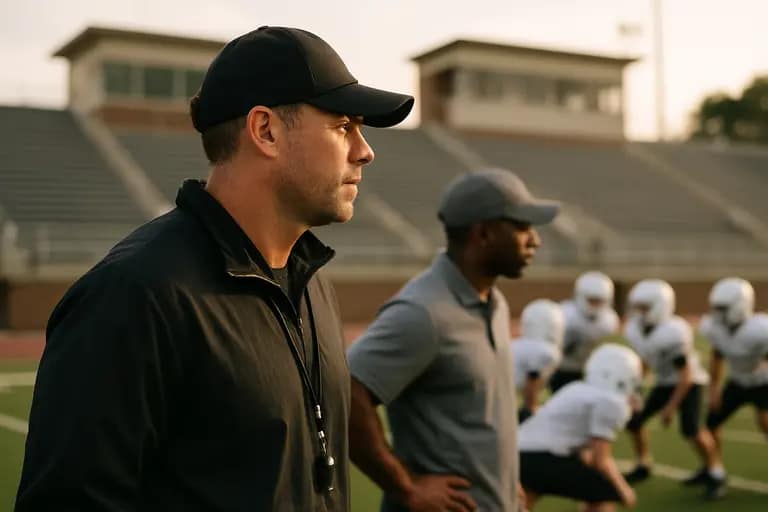
Coaches have a major influence on whether an event becomes development-centered. The best setting for correction is not always during the loudest moment. Some players need a quick cue before the next pitch. Others need a short conversation after the inning. In clinics, station work can offer slower teaching time. In tournaments, the teaching has to be sharper and calmer.
Instruction should also respect that young players develop at different speeds. One athlete may need help with throwing mechanics. Another may need confidence speaking on defense. Another may need support managing frustration. Individual development asks coaches to see the athlete in front of them, not just the position listed on a lineup card.
Community Programs And The Texas Player Path
Community programs can make Texas baseball stronger by treating development as a shared responsibility. Events can connect families, coaches and players around habits that matter: showing up prepared, listening well, competing with respect and practicing with a purpose. Those habits support baseball growth and personal growth at the same time.
This approach also helps keep the sport accessible in spirit. Not every player at a youth event is on the same timeline. Some are new to higher-level competition. Some are chasing bigger baseball goals. Some simply need a positive setting that teaches effort and belonging. A strong community program can serve all of those players without making false promises about rankings or future opportunities.
Why Individual Development In Youth Baseball Events Matters
Texas baseball families have many choices for weekends, clinics and training opportunities. The best choice is not always the event with the loudest promotion. It is the one that helps a young athlete grow in clear, useful ways. Athletic skill matters. So do confidence, discipline, emotional control, teamwork and character.
When event directors build schedules around teaching, when coaches connect feedback to specific player needs, and when parents value progress over quick labels, youth baseball becomes a better developmental space. Players still compete. They still learn to handle wins and losses. They also leave with a clearer sense of who they are becoming through the sport.
That is the real community value of a development-first baseball event. It gives Texas athletes room to improve as players while also building habits they can carry into school, teams, family life and future competition.