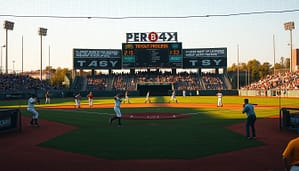
Texas MLB Draft Takeaways matter most when coaches treat the draft as a development signal, not a scoreboard for youth programs. A drafted player’s name can draw attention, but the better coaching question is simpler: what habits, competition choices, and skill foundations helped that player stay on a higher-level pathway?
For Texas youth baseball programs, the useful lesson is not to copy a professional club’s draft room. Youth coaches do not control bonus pools, medical reviews, college commitments, or organizational depth charts. They do control practice design, defensive standards, throwing workloads, competition fit, player feedback, and family education. Those areas are where draft patterns can shape better local development.
The research notes around the recent draft cycle point to familiar themes: high school projection, college experience, shortstop value, left-handed pitching demand, and the ongoing decision between pro baseball and college baseball. Some reported claims around specific selections require caution because not every note is supported by the permitted high-authority links. Where the public source is a prospect list rather than a final draft record, coaches should avoid treating projection as confirmed outcome. That discipline is the same discipline young players need in their own development.
What The Draft Signal Means For Texas Coaches
Separate Public Attention From Player Readiness
Texas produces visible amateur talent because the state offers year-round training windows, deep high school competition, strong travel circuits, and major college programs. Still, visibility is not the same as readiness. A player can be heavily discussed before the draft and still face a long adjustment period once professional baseball begins.
That distinction should shape how coaches talk to families. The goal is not to make every 13-year-old feel like a future draft pick. The goal is to build a player who can handle the next level in front of him. For a middle school player, that may mean throwing strikes, moving his feet on defense, and learning how to compete without emotional swings. For a varsity player, it may mean controlling the strike zone, defending a premium position, recovering between outings, and producing against quality arms.
MLB’s public prospect coverage lists amateur players for the 2026 class and provides a reference point for how high-level players are discussed before draft decisions are final MLB prospect list. Coaches should use that type of coverage as education, not as a promise. The better takeaway is that evaluators continue to value players who show projectable tools, baseball skill, physical growth potential, and competitive performance against stronger opposition.
Shortstop Attention Shows The Value Of Athletic Skill
The research notes identify shortstops from Texas high school programs as key names in the draft conversation, including Grady Emerson from Fort Worth Christian and Connor Comeau from L.C. Anderson in Austin. Because only the approved MLB prospect source can be cited here, any specific selection claims beyond that should be treated carefully unless confirmed through official draft records. The coaching lesson still stands: players who can handle shortstop responsibilities tend to receive close evaluation because the position demands footwork, arm strength, body control, timing, and decision-making.
Youth programs should not force every talented athlete to stay at shortstop forever. They should, however, use shortstop-style training to raise the standard for every infielder. First-step quickness, clean exchange patterns, throwing accuracy on the move, and awareness of game speed help players at third base, second base, center field, and even on the mound. The position is a development lab because it exposes weak movement patterns quickly.
Development Lessons From High School And College Paths
High School Picks Require Long-Term Patience
Professional clubs that select high school players are often buying future growth as much as present production. That should be a major reminder for youth coaches. A 16- or 17-year-old player is not a finished product. He may add strength, change positions, improve command, or face new swing decisions as pitching quality improves. The best youth programs build room for that growth instead of trying to peak every player during one summer schedule.
For Texas teams, this means the weekly plan matters more than the tournament logo. Players need skill blocks that repeat over time: defensive fundamentals, throwing progression, baserunning reads, bat-to-ball work, strength training that fits age and maturity, and live competition that tests decision-making. Coaches should avoid building the entire calendar around showcase exposure if the player has not earned a stable foundation.
College Experience Still Carries Value
The research notes also point to college players from major programs, including the University of Texas, appearing in draft coverage. Sports Illustrated reported on Longhorns selected on Day 1 of the MLB Draft Longhorns draft report. For Texas families, that matters because college baseball remains a real development route, not a fallback plan.
College players often get more time against older competition, structured strength programs, advanced scouting reports, and higher-pressure weekend environments. That experience can help players mature physically and mentally. Youth coaches should present the pro-versus-college decision honestly: signing early may fit some players, while honoring a college commitment may fit others. The right answer depends on the player’s draft position, offer, academic goals, family priorities, health, and confidence in the development setting.
This is where coaches can serve families well without pretending to be agents. They can help players organize questions, compare training environments, understand roster opportunity, and keep emotions from driving a rushed decision. They should not guarantee draft outcomes or promise scholarship packages they do not control.
Practice Priorities Youth Programs Can Control
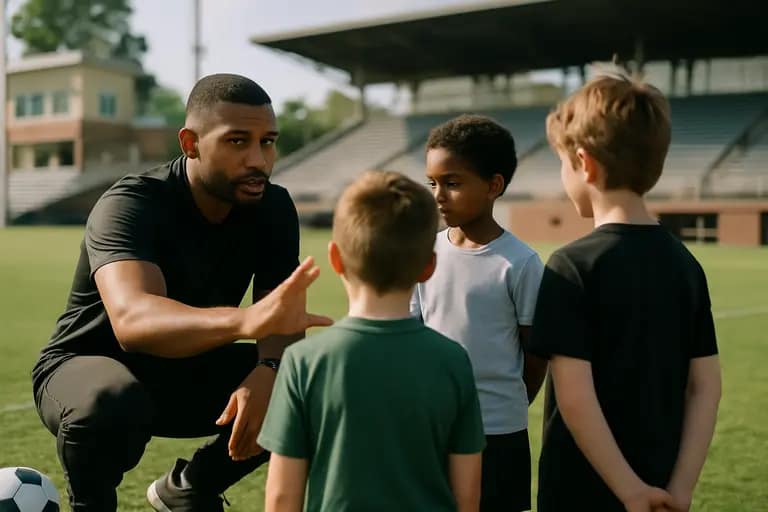
Build Skills That Survive Better Competition
The most useful Texas MLB Draft Takeaways are practice-based. Draft coverage tends to highlight names, positions, schools, and tools. Coaches must translate that into daily work. Better competition exposes loose swings, slow defensive feet, poor throwing routines, and pitchers who rely only on early physical advantage. If a player’s success disappears as soon as the opponent improves, the development plan needs adjustment.
Texas youth coaches should use the draft conversation to reinforce standards that apply to all serious players:
- Train defensive movement before worrying about permanent positions.
- Track strike-zone decisions in batting practice and games, not just hard contact.
- Protect pitcher development with age-aware throwing routines and recovery days.
- Expose players to stronger competition only when the skill base can handle it.
- Teach families how college commitments, draft interest, and long-term development connect.
These points are not flashy, but they are durable. A player who controls the zone, throws with intent and recovery, fields with tempo, and competes with a steady routine gives himself more options. That may lead to varsity impact, junior college opportunity, a four-year roster spot, or professional interest. The same foundation serves each route.
Use Showcases As Checkpoints, Not The Full Plan
Showcases can help players gather measurable feedback and compete in front of evaluators, but they cannot replace development. A player who runs well, throws hard, or posts loud batting practice contact still has to perform in game settings. Coaches should help families understand what a showcase can and cannot prove.
For younger players, the better use of showcase-style testing is internal benchmarking. A program can measure throwing accuracy, sprint improvement, bat control, and defensive consistency without turning every weekend into a public audition. For older players, the key is timing. Exposure makes more sense when the body, skill set, grades, and communication plan are ready.
How Texas Programs Should Apply The Draft Lessons
Align The Calendar With The Player
One mistake in youth baseball is building one calendar for every athlete. Pitchers, catchers, late bloomers, two-sport athletes, and physically mature players do not all need the same workload. Draft coverage reminds coaches that development paths vary. Some players draw attention out of high school. Others need college innings or at-bats. Some change positions. Some grow late. A good Texas program leaves room for those differences.
That starts with honest player meetings. Coaches should explain what the athlete does well now, what needs work, and what the next competitive step should be. A player who struggles to throw strikes does not need a heavier travel schedule. He needs a better delivery plan, command work, and confidence in controlled environments before chasing stronger events. A hitter who dominates local pitching but expands the zone against velocity needs pitch-recognition work more than another uniform.
Keep The Message Grounded
The final coaching point is communication. Draft stories can create pressure for families, especially in a baseball state with strong programs and year-round visibility. Coaches should keep the message direct: the draft rewards ability, projection, performance, health, timing, and organizational preference. Youth baseball controls only part of that equation.
Texas MLB Draft Takeaways should push programs toward better teaching, not louder promotion. The players who last are usually the ones who keep improving after the attention arrives. For coaches in Texas, that means building practices that sharpen skill, protecting arms, teaching the game, and helping families choose competition that fits the player’s stage. The draft can start the conversation, but development has to carry it.