Texas Youth Tournaments are no longer just weekend brackets with a trophy at the end. For serious youth baseball families, the format now affects at-bats, innings, pitching plans, recovery, travel costs, and how much real information a coach can take back to training. Recent Texas event developments point toward bigger fields, more international participation, and format choices that can either support player growth or leave teams with uneven reps.
The useful question is not whether a tournament looks large on a flyer. The better question is whether the structure gives players enough chances to compete, adjust, and be coached. A team that plays three full pool games can learn more about lineup depth than a team that loses early in a single-elimination bracket. A player who sees different pitching, handles a defensive adjustment, and returns for another game with a correction has a better development weekend than one who only collects a few innings.
What Texas Youth Tournaments Teach In One Weekend
Tournament structure shapes behavior. Coaches manage differently when they know every team receives a full slate of pool games. Players also feel a different kind of pressure when a weekend is not reduced to one bad inning or one early bracket loss. That matters in youth baseball because learning often comes from the second and third exposure: the next at-bat after a strikeout, the next inning after a defensive mistake, or the next start after a pitcher loses fastball command.
Pool Games Should Create Useful Reps
A four-team, one-day round-robin model described in recent Texas event planning is a clear example of a development-friendly format. In that setup, each team gets three pool games, and the top two teams play for a championship. The main benefit is simple: no team travels, pays, warms up, and then loses its weekend after one poor result. For Texas Youth Tournaments, that kind of design can give coaches a fuller read on their roster.
Three games in one day also force planning. Coaches need to think through catcher usage, pitcher availability, infield rotation, and bench at-bats before the first pitch. Families need to prepare food, hydration, shade, and downtime. For a deeper look at how event settings can support growth beyond the scoreboard, see this site’s piece on individual development in youth baseball events.
Texas Youth Tournaments Need Repeatable Game Slots
Repeatable game slots help coaches teach. If a staff knows it will get three complete games, it can assign clear goals: one game for a pitcher to attack the zone with first-pitch strikes, one game for a catcher to control the running game, and one game for hitters to track off-speed pitches with better swing decisions. Those goals do not require fake rankings or inflated scouting language. They require a plan that can be reviewed after the weekend.
Championship games still matter. Players should learn how to compete with a result on the line. The key is balance. A title game after full pool play can add pressure without stripping away the development value of the day. Coaches can still ask who made adjustments, who handled fatigue, and who stayed locked in between games.
Large Events Raise The Planning Standard
Big events create opportunity, but they also raise the planning burden. The Texas Youth World Baseball Classic at The Ballpark at League City was held March 12-15, 2026, drew more than 60 teams, included participants from the Dominican Republic, Cuba, and Puerto Rico, and brought an estimated 30,000 attendees, according to the League City event announcement. Those details matter because scale changes the experience for teams, families, and local event staff.
International Fields Change The Baseball Test
International participation can expose Texas players to different styles of play. Without making claims about the strength of any specific team, a broader field often means players must adjust to new tempos, defensive pressure, baserunning choices, and dugout energy. That is useful for athletes who hope to handle higher-level competition later in high school, college camps, or invite-based events.
The scale of Texas Youth Tournaments also affects schedule discipline. With many teams and large crowds, a delayed start can ripple through the day. Warm-up space, parking, hydration access, and meal timing become part of performance planning. A player who sits too long without movement, skips fluids, or rushes pregame work may not play to his level, even if the baseball skill is there.
Families Need A Game-Day Plan
For parents, large tournaments require a practical checklist before the first pitch. That does not mean overloading a player with gear or pressure. It means reducing avoidable stress. Confirm arrival windows, field assignments, uniform needs, and postgame recovery plans. Keep meals simple and familiar. Build shade and rest into the day. This is especially important in Texas months when heat can affect focus and energy.
Nutrition is not a side issue during long tournament days. It is part of readiness. Families preparing for multi-game weekends can use this site’s young athlete tournament nutrition resource to think through food and hydration before game day.
RBI Regional Events Show A Pathway Model
The Texas Rangers Youth Academy hosted the 2022 MLB RBI Southwest Regional Baseball and Softball Tournament from July 23-25, 2022, at the West Dallas Youth Academy, with 15U and 18U baseball divisions and an 18U softball division, per the MLB press release. That example remains relevant because it shows how age-based regional events can connect competition with a broader player pathway.
Age Divisions Help Families Set Targets
Age divisions give players and families a clearer sense of where they are in the development cycle. A 15U player should not be evaluated the same way as an 18U player. The younger player may need more time on movement quality, strike-zone control, defensive footwork, and strength foundations. The older player may need to show game readiness, leadership, and better command of routines.
Regional events also give coaches a chance to compare how players handle travel, schedule pressure, and unfamiliar opponents. Those traits matter. A player who can stay composed in a new setting, communicate with teammates, and execute a role is building habits that carry into high school varsity competition and later recruiting settings.
The Academy Setting Changes Expectations
When an event is tied to a recognized baseball academy setting, families often expect stronger organization, clearer communication, and a more serious competitive environment. The value is not only the venue name. It is the chance to put young athletes in a setting where preparation, behavior, and baseball execution all count.
For coaches, that means the post-event conversation should be specific. Instead of telling a player he had a good weekend, identify the repeatable skill. Did he control the running game? Did he throw more quality first pitches? Did he make an adjustment after seeing breaking balls? Did he recover between games with maturity? Those details turn tournament play into training feedback.
How Coaches Can Use Formats For Player Growth
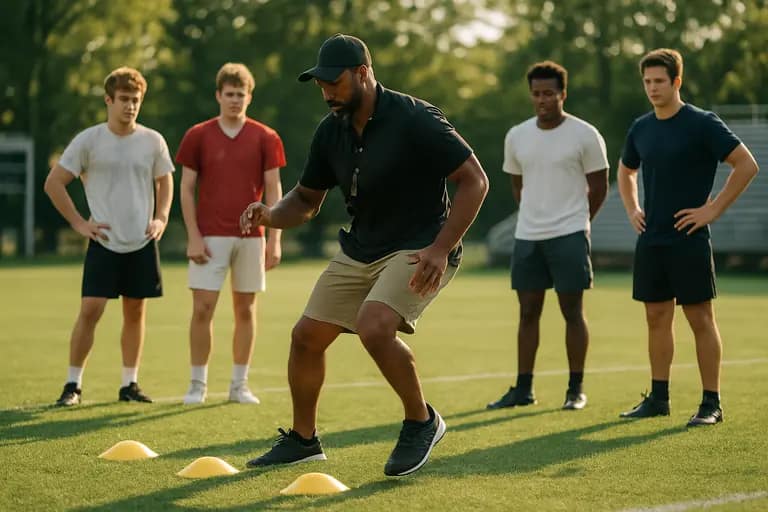
A good tournament format does not develop players by itself. Coaching decisions decide whether the structure becomes useful. If the weekend guarantees games, use that certainty to create roles. If the event includes bracket pressure, prepare players for how decisions may change late in games. If travel is heavy, protect warm-up routines and recovery time.
Measure The Right Things
Coaches should avoid judging a weekend only by wins, batting average, or radar readings. Those numbers can help, but they are incomplete at youth ages. A development-first staff should track behaviors and skills that can be trained during the week.
- For hitters: swing decisions, two-strike approach, contact quality, and response after chasing pitches.
- For pitchers: strike percentage, body language after misses, tempo, and ability to hold runners.
- For defenders: first-step reads, communication, cutoffs, and reset after errors.
- For catchers: receiving consistency, block effort, throw readiness, and staff leadership.
Those categories fit round-robin weekends, pool-play events, and regional brackets. They also give families a more honest report than a trophy photo alone.
Plan Around Rest, Roles, And Communication
Pitching plans should be set before the event, then adjusted with safety in mind. Catcher workload should be watched closely on hot days. Bench players need clear expectations so they know when they are likely to enter and what the staff wants to see. Parents need schedule updates as early as possible, especially during long days with changing field assignments.
The best Texas Youth Tournaments reward teams that prepare like a program, not just a weekend roster. That means players know their jobs, coaches communicate calmly, and families understand that development is measured across many events.
Texas Youth Tournaments And The Next Development Step
Texas Youth Tournaments will keep drawing attention because the state has the players, facilities, climate windows, and travel baseball culture to support major events. The task for families is to choose weekends that match the player’s stage. A younger player may need guaranteed reps and teaching time. An older player may need stronger competition, pressure situations, and clearer feedback against quality opponents.
The right structure gives a coach more information and gives a player more chances to respond. That is the real value of recent Texas event development: not bigger brackets for their own sake, but better weekends that connect competition to training, recovery, and long-term baseball growth.