Young athlete tournament nutrition is not about copying a college or pro clubhouse meal plan. For Texas baseball families, it is about helping a young player arrive fueled, avoid stomach issues, stay steady through bracket delays, and recover well enough to play again later in the day.
Baseball tournaments create a different challenge than a single weeknight game. A player may have an early arrival, a long gap between games, a short turnaround after pool play, or a late elimination game in warm weather. Parents cannot control the umpire schedule, field assignments, or how long the first game runs. They can control what goes in the cooler, when the athlete eats, and whether the routine was tested before tournament weekend.
Why Food Planning Matters Before First Pitch
Start With A Balanced Training Diet
During training weeks, young athletes need enough energy to practice, recover, attend school, and sleep. One athlete nutrition model recommends a diet made up of about 60% carbohydrates, 20% protein, and 20% fat for athletes preparing for competition, according to Johns Hopkins Medicine. That does not mean every plate needs a calculator. It gives families a practical target: carbohydrates provide much of the working fuel, protein supports recovery, and fat remains part of a normal eating pattern.
For a baseball player, this can look simple. A training-day dinner might include rice or potatoes, chicken or lean meat, fruit, and a familiar vegetable. Breakfast might include oatmeal, eggs, toast, or yogurt if those foods already sit well. The key is not perfection. The key is repeating meals that the athlete tolerates, especially in the days before a tournament.
Do Not Let Tournament Food Start At The Concession Stand
Concession food can be part of the day, but it is a poor backup plan if a player has not eaten well before arrival. Many tournament sites have limited choices, long lines, or food that is heavier than a player wants before taking ground balls or warming up on the mound. Families who bring familiar meals and snacks have more control over timing.
This matters for younger athletes because they often wait too long to say they are hungry. By the time a player feels flat during warmups, the window for a full meal may have passed. A packed cooler gives parents options without forcing a large meal too close to first pitch.
Build The Training Week Around Steady Energy
Use Practice Days To Test The Routine
One of the safest tournament habits is also one of the simplest: avoid new foods before competition. Families should use normal practice days to test breakfasts, snacks, and recovery meals. If a player has never eaten a certain protein bar, smoothie, or restaurant meal before activity, tournament morning is not the time to experiment.
This applies to timing as well as food choice. A player who eats too close to warmups may feel heavy. A player who eats too early may run low on energy before the first game ends. Practice days give families a lower-pressure setting to see what works. Keep notes if needed: what the athlete ate, when they ate it, and how they felt during practice.
Keep Training Demands In Sync With Recovery
The week before a tournament should not turn into a scramble to fix every swing, add extra conditioning, and overhaul nutrition at the same time. Parents can help by keeping the home routine steady. That means regular meals, snacks at predictable times, and enough food after practices so the athlete is not trying to recover on an empty tank.
Coaches set the baseball workload. Parents support the pieces around it: food, water, arrival time, and sleep routine. If a player has multiple practices, lessons, or school demands in the same week, the nutrition plan should be simple enough to repeat. A complicated plan usually breaks down during a busy Texas tournament weekend.
Game-Day Timing For Meals And Snacks
Plan The Main Meal Two To Three Hours Out
A balanced pre-competition meal is commonly recommended 2–3 hours before the event, with carbohydrates and lean protein as core pieces, according to FC Barcelona youth nutrition guidance. For baseball families, that timing should be counted backward from warmups, not just first pitch. If the team report time is 7:00 a.m., the breakfast plan may need to happen at home or in the car before reaching the complex.
Good options are usually familiar and moderate: a turkey sandwich, eggs and toast, oatmeal with fruit, rice with lean protein, or yogurt and granola if the athlete already handles dairy well. High-fat and high-fiber foods can slow digestion and may cause discomfort before events, so families should be cautious with heavy fried meals, large portions, or foods the athlete rarely eats before activity.
Use A Light Snack Closer To Game Time
A light, carbohydrate-rich snack 30–60 minutes before competition can help provide immediate energy without making the athlete feel overloaded. This is where simple foods often work best: a banana, pretzels, applesauce, a small granola bar, or crackers. The snack should not be treated like a second full meal.
For doubleheaders or bracket play, the same idea applies between games. If there is a long break, the athlete may need a more complete meal. If the next game starts soon, a smaller snack is usually easier to manage. Parents should ask for the likely timeline, but they should also be ready for changes because tournament schedules can shift quickly.
- Pack familiar carbohydrates, lean protein options, and simple snacks the player has already used before practice.
- Separate quick dugout snacks from heavier meals so the athlete is not digging through the cooler under time pressure.
- Bring enough water for warmups, game play, delays, and the ride home.
Hydration And Recovery Between Games
Drink Before Thirst Becomes The Signal
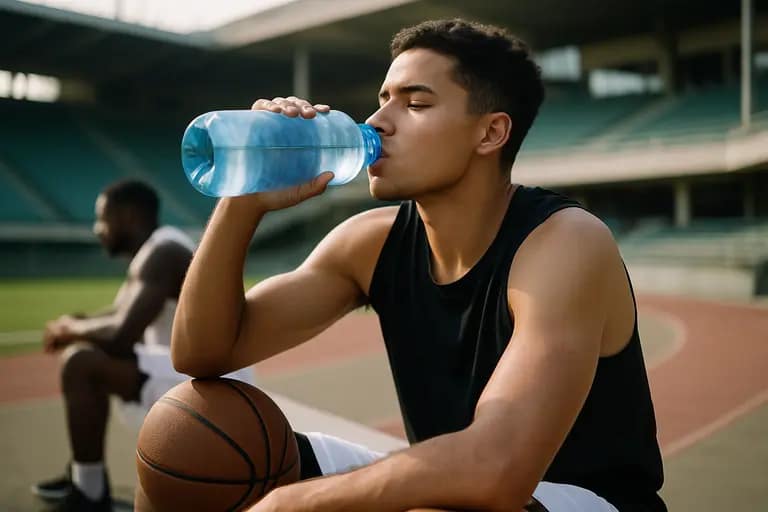
Hydration should start before the player reaches the field. Drinking water throughout the day is easier than trying to catch up after several innings in heat. During competition, athletes should sip water during breaks when the game allows it. In baseball, those windows may come between innings, after a defensive half-inning, or during longer dugout breaks.
Parents can help by making water visible and easy to grab. Label bottles, keep extras in the cooler, and remind younger players to drink without turning it into a sideline argument. Some athletes forget to drink when they are locked into the game. A calm reminder between innings works better than panic late in the day.
Recovery Starts Soon After The Game
Post-game recovery nutrition should include carbohydrates and protein within the first hour after competition when possible. The goal is to replenish energy stores and support muscle recovery before the next practice, game, or school day. For tournament play, this window may happen in the parking lot, at a team tent, or on the drive to the next field.
Simple recovery choices can work well: chocolate milk if tolerated, a turkey wrap, rice and lean protein, yogurt with fruit, or a familiar sandwich. The best option is the one the athlete will actually eat after a hot game. If appetite is low right away, start with fluids and a small snack, then follow with a fuller meal when the player settles down.
Young Athlete Tournament Nutrition On Game Day
Young athlete tournament nutrition works best when it feels boring, repeatable, and realistic. The plan should fit the player, the family schedule, and the tournament format. A 9U player with one morning game does not need the same cooler setup as a varsity athlete playing deep into a Sunday bracket. Still, the same basic rules hold: familiar foods, steady hydration, a main meal early enough to digest, a light snack closer to game time, and recovery food after the final out.
Texas baseball families can reduce stress by building a standard tournament checklist. Pack the cooler the night before. Know the report time. Count backward for breakfast. Keep quick snacks separate from post-game meals. Ask the athlete what has worked during training, then stay with that routine when the tournament gets busy.
Young athlete tournament nutrition will not replace skill work, quality coaching, or sound rest. It does give a young player a better chance to feel prepared when the schedule gets long. For parents, that is the practical win: fewer rushed food decisions, fewer avoidable stomach problems, and a steadier player from the first warmup through the last inning.