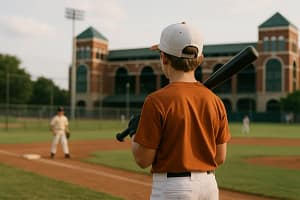
The Battle at the Border is scheduled for August 22-23, 2026, in McAllen, Texas, giving young athletes and families a short prep window before tournament play begins. For Texas baseball players, this type of weekend is not only about wins and bracket movement. It is a test of readiness: warm-up habits, heat management, between-game recovery, strike-zone discipline, and how well a player can repeat basic skills under tournament pressure.
C&C Sports Tournament Series lists the McAllen event for August 22-23, 2026, with baseball and softball divisions included on its official tournament calendar C&C Sports Tournament Series dates. The research available identifies baseball divisions at 8U, 10U, 12U, and 14U, with a three-game guarantee, weather permitting. Specific registration fees were not listed in the research, so teams should confirm costs, schedules, field assignments, and check-in details directly with the organizer before travel.
Battle At The Border Schedule And Format
Battle At The Border Dates And Divisions
The tournament is set for a two-day window in McAllen, with baseball age groups listed as 8U, 10U, 12U, and 14U. Softball fastpitch divisions are also listed in 6U, 8U, 10U, 12U, and 14U. Because the event includes multiple age groups, families should avoid assuming that one team’s report time, complex assignment, or bracket path matches another team’s schedule.
For youth baseball families, the first step is schedule control. Coaches should send one clear team message with arrival time, uniform plan, pregame meeting location, and the expected warm-up order. Parents should save the organizer’s official page, keep a printed or saved copy of the schedule, and be ready for weather-related changes. A three-game guarantee creates useful reps, but it also places a real load on young arms, legs, and focus.
What The Three-Game Guarantee Means
A three-game guarantee gives players more than one chance to adjust. A hitter who chases early in Game 1 can tighten his plan by Game 2. A pitcher who loses fastball command can learn from the outing and reset. A catcher can learn how his body responds to heat, squatting volume, and repeated throws over a full weekend.
Coaches should treat the format as a development checkpoint. Track basic items that matter across ages: first-pitch strike intent, defensive readiness before contact, quality of pregame catch play, and whether players stay engaged while waiting between games. None of those require advanced technology. They require attention, player honesty, and a staff that values repeatable habits.
Heat, Hydration, And Recovery Planning
Pre-Game Body Check
Research notes high temperatures forecasted for McAllen during the tournament dates, so heat preparation should begin before arrival at the field. Players should not wait until they feel thirsty to start drinking. Families can use simple checkpoints: urine color, energy level, headache status, and whether the athlete ate a real meal before the first game. Those checks are not medical testing, but they help parents and coaches notice when a player may need rest, shade, or a slower warm-up pace.
Warm-ups should be efficient. Young athletes often waste energy by sprinting, throwing too much, or taking extra swings long before first pitch. In heat, the goal is to raise body temperature enough for safe movement without draining the player before competition begins. A short dynamic warm-up, controlled catch progression, position-specific ground balls or fly balls, and a focused hitting routine can prepare the body without turning pregame into a workout.
Between-Game Recovery
Between games, players need shade, fluids, food, and mental quiet. Tournament weekends can push athletes into constant noise: phones, sideline chatter, bracket talk, and parent stress. Coaches can help by setting a reset routine. Players should remove cleats when appropriate, cool down, eat something familiar, and avoid standing in the sun while waiting for the next assignment.
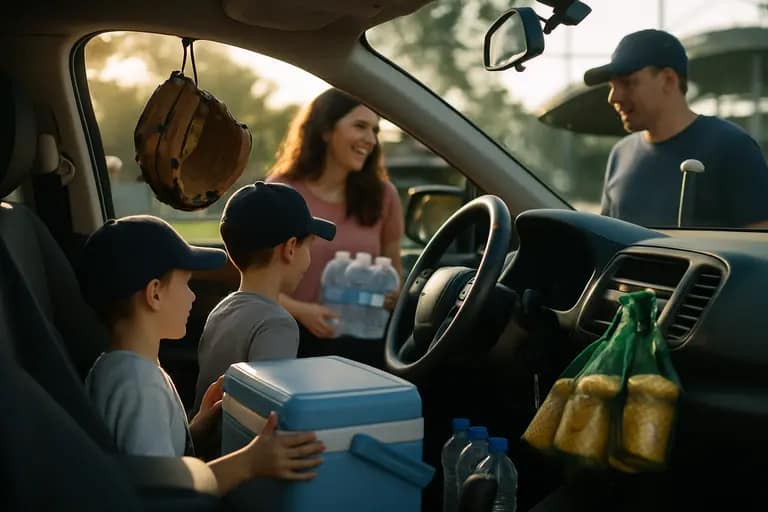
Families preparing for the Battle at the Border can also use a written packing plan. Extra socks, towels, water, electrolyte drinks, simple snacks, sunscreen, cooling towels, and backup uniform pieces reduce stress when games stack close together. For a Texas-specific family prep resource, this Texas tournament checklist fits the same type of travel and heat demands.
Skill Preparation By Age Group
8U And 10U Priorities
For 8U and 10U players, the best tournament prep is simple baseball done well. Catch the ball with two hands when the play allows it. Throw to the correct base. Know the number of outs before every pitch. Run through first base. Back up throws. Communicate on pop-ups. These details decide many youth games because young players are still learning pace, spacing, and situational awareness.
Parents can support this age group by keeping instructions short. One cue before a game is better than a speech covering five different skills. A player who hears “see it up” or “ready every pitch” has a usable focus. A player who hears too much may carry tension into the box or onto the mound.
12U And 14U Priorities
For 12U and 14U players, tournament readiness should include a clearer plan at the plate and on the mound. Hitters should know what pitch they can drive early in the count and what they must protect with two strikes. Pitchers should understand that command and tempo often matter more than trying to throw harder in August heat. Infielders and outfielders should study batter tendencies during the game instead of reacting late.
At these ages, the Battle at the Border can show whether a player is ready for more demanding tournament environments. That does not mean one weekend defines a player. It means the weekend can reveal habits: how an athlete handles a bad at-bat, whether a pitcher keeps composure after a walk, and whether a defender wants the ball after an error.
Travel And Game-Day Operations
Hotel And Arrival Planning
The research notes that out-of-town teams should arrange accommodations in advance because local hotels may see high demand during the tournament weekend. Families should also plan drive time to local sports complexes in McAllen without assuming parking and field access will be quick. Arriving rushed can affect warm-up quality, especially for younger players who need time to settle in.
Teams should set a shared arrival standard. If first pitch is early, players may need breakfast planned the night before. If the team plays later, families should still avoid a slow morning that turns into a late arrival. Travel discipline is part of tournament discipline.
Schedule Verification
There are similarly named events, so families should verify that they are using the McAllen tournament information. One example from the research is the 7th Annual Battle on the Border in Youngstown, Ohio, which took place from June 5-7, 2026, and had already concluded before August 19, 2026 Youngstown event page. That matters because a similar name can lead families to the wrong schedule, wrong city, or wrong organizer.
- Confirm the organizer, city, dates, age division, and team name before making final travel decisions.
- Check pitching plans against the three-game format and expected heat.
- Pack food, fluids, shade items, uniform backups, and recovery gear before leaving home.
- Keep player goals short: compete in the zone, make routine plays, and reset after mistakes.
Battle At The Border Preparation Priorities
The best preparation for the Battle at the Border is practical, not dramatic. Young athletes need sleep, food they can tolerate, enough fluids, a clear arrival plan, and a baseball focus they can control. Coaches need roster awareness, pitching care, and simple communication. Parents need to support without adding pressure.
For Texas youth baseball players, the value of this weekend will come from repeatable behavior. The score matters during competition, but development shows up in how a player prepares, responds, and recovers. If families handle the heat, travel, and schedule details with care, athletes can spend more energy on the field doing the work that helps them grow.