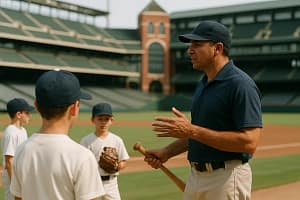
Welcome to our developmental ecosystem. It’s like Ivy League athletics but with better uniforms and less pretension. We’ve designed our age groups to work together smoothly. This creates a clear progression from beginners to top athletes.
Our system focuses on more than just age. It looks at when players are ready, their skills, and when talent meets chance. It’s like the idea from Moneyball, but with more baseball and less drama.
We’ve studied how players grow more than any political analyst. What we learned might shock you. The right age groups aren’t just fair. They help players reach their full ability.
Our setup makes sure young athletes play at the right level. It’s like crafting a baseball version of the Great American Novel. Each step leads to a final masterpiece.
Milestones for Each Level
Ever wonder why some young players progress quickly while others struggle? The key is mastering specific skill pathways. These are like a GPS for baseball, showing the next steps in a player’s journey.
We use Hockey Canada’s development matrix to track growth. It makes tracking progress clear, unlike trying to understand Iowa caucus results. Each level has clear goals that any data analyst would be proud of.
- Proper throwing mechanics
- Basic hitting stance
- Fielding positions
Intermediate levels introduce more complex skills, like a White House briefing:
- Changeup mastery
- Base running intelligence
- Defensive shifts
Our elite groups tackle advanced skills that set top players apart:
- Situational hitting
- Pitch sequencing
- Defensive communication
| Development Level | Key Milestones | Success Indicators | Timeline |
|---|---|---|---|
| Foundational | Basic throwing mechanics | Consistent throwing form | 3-6 months |
| Intermediate | Changeup mastery | 3/5 successful pitches | 6-12 months |
| Advanced | Situational hitting | .300+ batting average | 12-18 months |
| Elite | Pitch sequencing | 85% effectiveness rate | 18-24 months |
These milestones are not just promises. They are real steps that turn players into stars. They are like electoral college votes, bringing players closer to winning.
The beauty of skill pathways is their ability to show clear growth. When players hit these marks, they’re not just getting better. They’re building lasting baseball skills.
Individual Assessment Approach
Our evaluation system is like a political fact-checker. We verify everything and trust nothing at face value. We follow the evidence wherever it leads. Forget what you saw in that highlight reel or heard from the travel team parents. We’re building a detailed dossier on each player’s baseball skills, not their reputation.
We used Hockey Canada’s tough assessment protocols because they work well. If they’re good for evaluating slap shots in cold weather, they’re great for sunny day pop flies. Our coaches do three different evaluations: skills sessions, game simulations, and pressure drills. This is because some players shine in practice but freeze up in games.
The real magic is in the details that matter most. We’re not just timing runners to first base. We’re looking at their lead-off technique, secondary lead, and return to base. We study throwing mechanics with the precision of a Swiss watchmaker, checking everything from grip to release point.
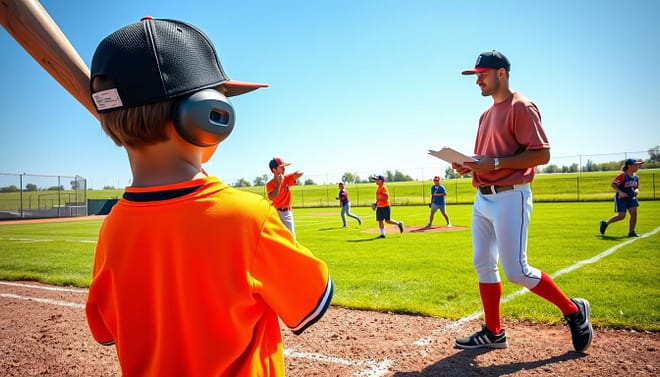
Here’s a truth that might shock you: coachability beats raw talent. We prefer players who listen, adapt, and grow over those who think they’ve already made it. It’s like choosing blue-chip stocks over flashy meme stocks – one gives long-term returns, the other might crash tomorrow.
Our final assessment is like a deep dive into politics, not just a box score. We check batting stances for mechanical efficiency, evaluate defensive positioning like chess masters, and test baseball IQ through situational awareness tests. This way, players are placed where they’ll grow best, not just where tradition says they should be.
Preparing for Higher Competition
Moving up in baseball isn’t just about being strong. It’s about being smart, like a chess player. We prepare for competition like a political campaign, with detailed strategies.
We believe in gradual growth, finding the perfect challenge. Players move up step by step, not jumping straight to the top.
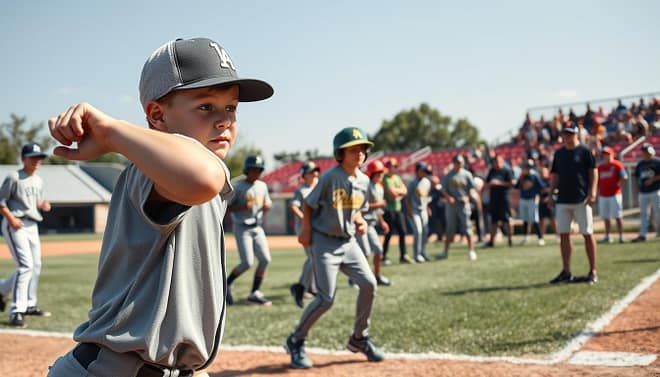
Think of it as baseball’s advanced education. Each level requires smarter play, quicker thinking, and mental strength. It’s not just about facing better opponents, but also about improving your mind.
Our coaching is like preparing a candidate for a debate:
- Extensive video analysis that would make film critics jealous
- Situational drills that build muscle memory until it becomes second nature
- Strategic repetition that turns complex plays into automatic responses
This approach has led to great success at events like the Stix Scout Weekend. Players not only survive but thrive at higher levels.
Transitioning between levels requires strategic growth. Players develop:
- Game intelligence that anticipates plays two moves ahead
- Emotional regulation that maintains focus under pressure
- Adaptive skills that adjust to increasingly complex situations
This isn’t just about improving in baseball. It’s about growing as a person through sports. The higher levels require mental toughness that benefits beyond the game.
Our players learn that success isn’t about size or strength. It’s about being the smartest and most prepared. They don’t just move up; they grow into new levels.
Coaches’ Insights
Our coaching staff is like a think tank, but they wear baseball caps. They’re not just parent volunteers. They’re experts who love baseball as much as they love to analyze it.
They’ve seen more swings than any presidential candidate. This lets them spot talent that others miss.
Understanding player progression is key. It’s like reading a stock market chart. It has ups and downs, but it’s always moving forward.
Our coaches can tell who will hit hard later. They find future stars based on more than just speed. They know who needs the right push to shine.
They work like master craftsmen, focusing on every detail. It’s not just about baseball. It’s about teaching life lessons through the game.
They bring decades of experience to the table. It’s a wealth of baseball knowledge. And they’re not just making better players. They’re making better people.
Life lessons are hidden in the game. The coaches help us understand this beautiful, messy journey of growth.
Parent Guidance on Growth Tiers
Parenting a young athlete is like trying to find your way on I-35 during rush hour without GPS. You know where you’re going, but the path keeps changing. Your job is to support your child emotionally, drive them to games, and sometimes keep quiet when the umpire makes a bad call.
Understanding that skill pathways aren’t just about getting to the top of baseball is key. They’re about learning and growing, not just winning. It’s like building character, but with cleats on. The best paths focus on long-term growth, teaching players important skills for life.
Remember, the select baseball landscape changes, but your parenting should stay the same. Ask about the philosophy behind the team, not just the schedule. Look for coaches who teach life lessons, not just how to throw a slider. The best paths make players better, but also build resilient, passionate young people who love baseball.