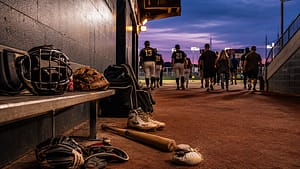
Welcome to the rulebook that actually matters – not the one debating balls and strikes, but the one preventing kids from becoming human piñatas on the diamond.
We’re diving into the world of league policies where common sense meets liability waivers. It’s like the Constitution of the ballfield.
Modern sports safety protocols have changed a lot. The “rub some dirt on it” days are over.
Now, we have strict rules for protective gear and equipment. These follow guidelines from USA Baseball.
Field conditions and break-away bases are also key. They help prevent injuries.
These policies mix America’s pastime with modern safety. It’s where tradition meets protection.
Common Youth Injuries
Welcome to the world of youth baseball, where kids earn respect through hard work, not just trophies. The field is a place where kids test their limits, learning about their bodies in the process.
The pitching mound is a special place where young arms face a big challenge. The constant throwing can lead to “Little League elbow” and “Little League shoulder.” These injuries sneak up on kids, making their throws weak and unsteady.
Acute injuries are another story. They’re the kind that happen suddenly, like a ball hitting a player’s face. These can cause sprains, strains, fractures, and concussions, turning a good season into a long recovery.
There are many reasons why these injuries happen. It’s like a checklist for parents:
- Playing in too many leagues at once
- Not taking breaks from sports
- Not trying other sports
- Ignoring early signs of injury
Catchers face a lot of danger, getting hit by foul tips and colliding with other players. Infielders also get hurt a lot, from diving to make plays.
But here’s the sad truth: most of these injuries could be avoided. With the right injury prevention steps, 70% of kids could stay in the game.
Young arms aren’t made for throwing 100 pitches and then playing again the next day. They need time to heal, not more games.
Good injury prevention means not treating kids like mini-professionals. We should focus on helping them grow healthy and love the game, not just play it.
Don’t ignore elbow pain. It’s a sign that something’s wrong and needs attention right away. Ignoring it can end a career too soon.
Coach Training and Certifications
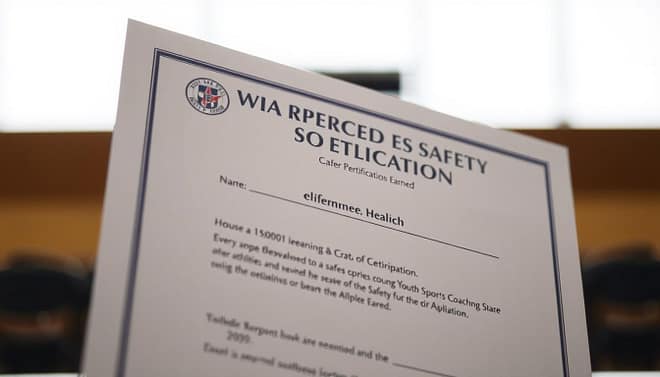
Most parents focus on their kids’ batting averages. But the real MVP is the coach who keeps kids safe. Today’s coaching certifications go beyond basic first aid. They cover sports safety in depth, impressing even trauma surgeons.
Modern youth coaches are more than just high school athletes. They’re certified pros who know about concussion protocols and the mental effects of striking out. These programs turn volunteers into experts who can spot problems and prevent injuries.
Every certified coach has a first-aid kit ready during games and practices. It’s not just for minor cuts. They’re prepared for serious issues like asthma attacks or fractures. The dugout is like a mini-emergency room, without the long wait.
Coaches now focus on preventing collisions. They teach players to be aware of their surroundings, like NFL safeties. This approach reduces contact while keeping the game exciting.
Pitch count and throwing mechanics are key in sports safety. Coaches watch over young pitchers like Wall Street analysts. They make sure young arms grow strong without getting overused.
The best coaches balance pushing kids to do their best with keeping them safe. They teach sports safety along with sports skills. This way, kids learn that staying healthy is more valuable than winning.
Facility Checks
Welcome to a world where parents and groundkeepers join forces to reduce risks. They check every inch of the field with great care. It’s all about making sports safe.
Field inspections might seem boring until you find a gopher hole. Then, it becomes thrilling. The line between safety and danger is thin.
Checking the field is more than just a quick look. You’re searching for holes and uneven spots. These can turn a simple play into a risky move.
The baseball field should stay the same all season. Regular checks keep it safe and even. This helps prevent injuries.
Equipment is just as important as the field. Breakaway bases are key for safety. They prevent injuries from stationary bases.
Think about a player sliding full speed into a base. Now imagine if the base didn’t hold. That’s what breakaway bases prevent.
It’s not just bases that need checking. Everything from batting cages to foul poles must be inspected. Worn or loose items can be dangerous.
Checking facilities is the first step in keeping kids safe in sports. It turns risky areas into safe ones. This focus on safety lets kids enjoy the game.
Concussion & Hydration Awareness
Let’s talk about two big issues in youth baseball: dehydration and head trauma. Dehydration turns athletes into confused zombies, while head trauma makes them into human raisins. Both problems need more awareness.
Concussion protocols have changed a lot. They used to be “shake it off,” but now they’re much more advanced. This change helps protect young minds that could cure diseases or remember which base to run to.

Now, getting hit by a fastball is seen as a medical issue, not just a part of the game. It needs immediate attention and the right steps to follow.
Hydration science has also improved a lot. It’s not just about drinking when you’re thirsty anymore. It’s about keeping players at their best through the right mix of fluids.
Fluid management is not just about giving water after bad calls. It’s about keeping players performing well through science.
| Hydration Level | Performance Impact | Recovery Time | Injury Risk |
|---|---|---|---|
| Optimal (clear urine) | Peak performance | Normal recovery | Lowest risk |
| Mild dehydration (light yellow) | 10-15% decline | Extended recovery | Moderate risk |
| Significant dehydration (dark yellow) | 25-30% decline | Double recovery time | High risk |
| Severe dehydration (amber/brown) | Danger zone | Medical attention needed | Extreme risk |
Recognizing concussions is more than just asking simple questions. Today, we use advanced tools to check for injuries.
Coaches and parents should watch for these signs:
- Confusion about game situations or positions
- Slurred speech or delayed responses
- Balance issues resembling someone who just got off a spinning ride
- Headache complaints that go beyond normal “I don’t want to practice” excuses
Hydration isn’t just about drinking water. Electrolytes are also key to preventing injuries. Think of them as the body’s electrical system – without balance, the body’s systems can fail.
Sports drinks have their place, but water is the base. It’s important to drink water consistently during practice, not just between innings. It’s like keeping a car’s oil level up, not waiting for it to break down.
Concussion management follows a strict return-to-play protocol. Each step must be completed without symptoms before moving on. There are no exceptions or guesses allowed.
Remember, brain safety and hydration are connected in preventing injuries. A dehydrated brain is more at risk for trauma, and a concussed brain forgets to drink water. It’s a dangerous cycle.
These strategies help modern baseball stay safe. We’re not just raising tough kids; we’re raising healthy, functional adults who can hit curveballs and remember their names.
Parent’s Role
Forget about orange slices and cheering from the stands. Today, parents need to be like CIA analysts and UN ambassadors. They must balance being supportive and keeping their kids safe.
Imagine being like a pit crew chief for your child. You watch their hydration like a wine expert. You look for signs of tiredness with the skill of an air traffic controller. It’s not about hovering over your child; it’s about watching over them wisely.
Being a good parent in sports means knowing when to step in. A gentle “maybe ice that elbow” between innings is a form of injury prevention. Saying “my kid isn’t pitching today” is like a corporate negotiator setting boundaries.
Rest periods are your new focus. You’ll think about recovery time like a Wall Street expert. The off-season is sacred, and no sports safety mistakes are allowed.
Look out for these signs of overuse:
- Complaints of persistent soreness that lasts days
- Decreased enthusiasm for practices or games
- Changes in throwing mechanics or running form
- Performance drops that can’t be explained by normal slumps
There’s also the social side. You must balance safety with team politics without being seen as overbearing. It’s a delicate balance between being concerned and being a spectator.
Your best tool is communication. Talk to coaches about pitch counts and with your child about their feelings. This teamwork creates a safety net for everyone in youth baseball.
Remember, your role in injury prevention goes beyond the field. Good nutrition, enough sleep, and emotional support help your child stay strong. You’re not just a parent; you’re the leader of your child’s sports safety team.
Emergency Protocols
When chaos hits the field, emergency plans kick in. It’s like the difference between a smooth fire drill and everyone rushing out.
Every coach needs more than just old Band-Aids. A good first-aid kit is essential for sports safety. If a player gets hurt, stop play right away. It’s not like a movie where you just keep going.
Players should always report injuries. Silence can harm injury prevention. Medical experts should check any big impacts or twists. Sometimes, the best thing is to rest, not push through.
Using physical therapy and gradual play helps avoid future problems. Smart sports safety means knowing some injuries need time, not just strength.
Emergency plans aren’t about waiting for disaster. They show we respect the game by being ready for surprises. Having a plan shows we care about our players, even when things get tough.