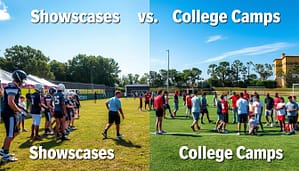
Getting to play at the next level can be tough for young athletes and their parents. There’s a lot to learn, important deadlines, and a lot of pressure. It’s a big decision.
Texas Stix believes in putting players first. We focus on growing them long-term and finding the right fit, not just a quick spot.
We’re here to guide your family through this journey. Learning about the process is key. Knowing the NCAA rules overview and the timeline helps build confidence.
Think of us as your starting point. We aim to make the complex simple. This way, you can focus on your athlete’s growth and future.
Timeline by Class Year: academics, camps, showcases, outreach windows
A clear recruiting timeline is key for your family. It makes the process easier and opens up more chances. From high school to signing day, knowing what to do when is vital.
Texas Stix helps families plan this journey. We give you the structure to focus on growing and performing. Here are the main milestones for each year.
This year, focus on building good habits, not just getting recruited. Your main job is to do well in school. College coaches look at your GPA first.
On the field, work on improving your skills and understanding the game. Go to local camps to get used to the environment. You can’t be contacted by coaches yet, but you can go to their camps. Use this time to explore different colleges.
- Academics: Aim for a 3.5 GPA or higher. Develop strong study habits.
- Camps/Showcases: Local or university camps for exposure and experience.
- Outreach: No coach-initiated contact permitted. You can send introductory emails.
Sophomore Year: Building Your Profile
Your recruiting timeline gets busier. Keep improving your GPA and start preparing for the SAT or ACT. These scores are important for your academic profile.
Start making a skills video with your best plays. Go to regional showcase events where coaches might be watching. After June 15th, college coaches can start sending you questionnaires and camp invites.
- Academics: Maintain or improve GPA. Take PSAT/prep for SAT/ACT.
- Camps/Showcases: Regional showcases and targeted college camps.
- Outreach: Coaches can send you materials. You should start a target school list.
Junior Year: The Critical Evaluation Period
This is the most important year in your recruiting journey. Coaches are seriously looking at players for their future teams. Your academic and athletic records are under close scrutiny.
Take the SAT/ACT. Attend high-level national showcases and camps at schools you’re interested in. Coaches can start calling and texting you starting September 1st. Be ready and professional in your communication.
- Academics: Finalize test scores. Ensure core course requirements are on track.
- Camps/Showcases: National events and official college camps for target schools.
- Outreach: Direct contact with coaches is allowed. Respond promptly and respectfully.
Senior Year: Finalizing Your Future
The end is near. The fall is for official visits, final evaluations, and making your decision. Make sure all your academic paperwork is submitted to the NCAA Eligibility Center.
Most verbal commitments happen early in the senior year, with National Signing Day in November. If you’re undecided, keep reaching out and consider late-season showcases.
- Academics: Submit final transcripts to NCAA Eligibility Center. Maintain grades.
- Camps/Showcases: Fewer, more targeted events if you’re seeking placement.
- Outreach: Finalize communication with committed school or continue dialogue with prospects.
| Class Year | Academic Focus | Athletic Focus | Coach Contact Rules |
|---|---|---|---|
| Freshman | Build a strong GPA foundation | Skill development; local camps | No direct contact; you can email |
| Sophomore | Prep for SAT/ACT; maintain GPA | Regional showcases; start skills video | Coaches can send materials after June 15 |
| Junior | Take SAT/ACT; core course check | National showcases; targeted camps | Phone calls/texts allowed from Sept. 1 |
| Senior | NCAA Eligibility Center; final transcripts | Official visits; decision time | Ongoing dialogue; finalize commitment |
Following this recruiting schedule requires careful planning. Don’t wait for a coach to find you. Mark important dates like test times, camp deadlines, and NCAA contact periods. The families who succeed are the ones who take charge of their timeline.
Texas Stix integrates this planning into our player development pathways. We help you align your training, competition schedule, and outreach efforts with these critical windows. This structured approach maximizes your exposure while ensuring continuous development.
Remember, every player’s path is unique. This timeline is a guide, not a rigid rulebook. Use it to stay ahead, ask questions, and make informed decisions with your support team.
Building a Skills Video: what coaches want to see and what to skip
Making a great skills video doesn’t need to be expensive. It’s about focusing on what matters most. This video is your chance to show college coaches your skills in a short time. Getting it right can open doors, while mistakes can close them.
The goal is simple: show your talent in the clearest way. Coaches see hundreds of these videos. They like content that shows your skills without fuss.
Here is exactly what college coaches want to see in your skills video:
- Clear, Steady Footage: Use a tripod. Film in good daylight. Make sure the player fills the frame and is easy to see.
- Position-Specific Drills: Show the fundamental skills for your role. Pitchers need velocity and off-speed pitches. Infielders need quick hands and clean throws.
- Game Footage That Shows IQ: Include 5-7 clips from real games. Highlight smart decisions, like a baserunner reading a pitch or an outfielder hitting the cutoff man.
- A Concise Length: Keep the entire video under three minutes. Coaches are busy; a tight edit shows respect for their time and your ability to self-evaluate.
Start with your name, graduation year, and position on screen. Then move directly into your best skills drills. Follow that with your selected game highlights. End with your contact information.
What should you leave on the cutting room floor? Avoid these common pitfalls that make coaches skip ahead.
Overly edited montages with flashy transitions and loud music are a major distraction. They hide your actual technique. Also, poor camera angles—like filming from too far away or behind a fence—make it hard for coaches to evaluate you.
Do not include every play you’ve ever made. Curate only your strongest, most relevant moments. Also, skip long introductions or talking segments. Let your athletic performance do all the talking.
Your skills video is a powerful tool when done well. It showcases your hard work and game understanding. Texas Stix advisors help players film and edit these videos to highlight their true talent, ensuring you present your best self to the right coaches.
Choosing Events Wisely: fit over hype, level targeting by position
Finding the right baseball showcases and tournaments is key. It’s not just about picking the biggest events. The right event for you is the one where coaches from schools that match your profile are actually watching.
Look beyond the glamour and ask yourself a simple question. Does this event align with your academic and athletic goals? A perfect fit means you get real exposure without wasting resources.
First, figure out which division levels—NCAA DI, DII, DIII, and NAIA—fit your skills and goals. Top-tier showcases often attract DI scouts. If you’re a developing DII or NAIA prospect, regional events might be better. Always check an event’s historical coach attendance list.
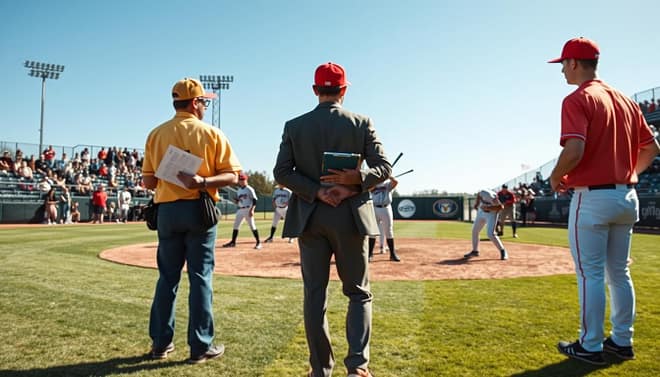
Your position also matters. Pitchers need events with multiple games to show consistency. Middle infielders benefit from tournaments with filmed gameplay to highlight range and arm strength. Catchers should seek showcases that include pop-time drills and catcher-specific evaluations.
| Division Level | Typical Event Types | Coach Attendance Pattern | Key Fit Consideration |
|---|---|---|---|
| NCAA DI | National showcases, Premier travel ball tournaments | Head coaches & recruiting coordinators from top programs | Requires elite, polished skills and high academic standing |
| NCAA DII | Regional showcases, Quality multi-state tournaments | Assistant coaches & area scouts looking for projectable talent | Values athleticism and development; more roster spots |
| NCAA DIII | Academic showcases, Local high-profile tournaments | Head coaches prioritizing student-athlete fit | Academic excellence is key; athletic skill must be solid |
| NAIA/JUCO | Local showcases, Junior college tournaments | Coaches seeking immediate contributors | Focus on current performance and readiness to play early |
At Texas Stix, we help families find their way. We review your game film, academic record, and goals to suggest events. This targeted approach saves you money and time. You invest where it matters most.
The goal is not to be seen by the most coaches. It’s to be seen by the right coaches. Choosing events wisely creates a clear path to college. It turns recruiting chaos into a manageable plan.
Communication Etiquette: emails, subject lines, coach follow‑ups, gratitude
Your contact strategy with college coaches is more than sending emails. It’s about building relationships. Doing it right shows maturity and respect. It turns a name on a roster into a real person a coach wants to invest in.
Think of every email as your digital handshake. It needs to be firm, professional, and leave a positive impression. With the Stix team’s guidance, these tasks become manageable steps, not daunting hurdles.
The first email sets the tone. A clear subject line is your first win. Coaches get hundreds of emails. Yours needs to stand out and be easy to find later.
Use a format like: “Recruiting Inquiry: [Your Name], [Graduation Year], [Position], [Your Team]”. This gives all the key info at a glance.
Inside the email, be concise but complete. Coaches are busy. They appreciate information presented clearly.
- Academic: Lead with your GPA and test scores. This is often the first filter.
- Athletic: Share your height, weight, primary position, and key stats.
- Video: Include a direct link to your skills video. Make it easy for them to click and watch immediately.
- Schedule: Mention your upcoming tournament or showcase schedule. Invite them to see you play.
Always address the coach by their correct name and title. A little research goes a long way in showing genuine interest.
The Art of the Follow‑Up
Silence after an email is common. Don’t panic. A thoughtful follow-up is part of a good contact strategy. Wait 10-14 days before sending a polite, brief check-in.
Your follow-up email should reference your original message. Add a new piece of information, like a recent game result or updated video highlight. This gives the coach a reason to re-engage.
Never sound demanding or frustrated. A simple, “I just wanted to follow up on my previous email and share my latest tournament schedule” works perfectly. It shows persistence without pressure.
Expressing Gratitude
After a phone call, campus visit, or even a simple email exchange, send a thank-you note. This small act has a huge impact. It reinforces your interest and your character.
Keep it short and specific. Mention something you discussed. An email thank-you is fine and timely. A handwritten note after a visit is a classy touch that truly stands out.
Gratitude isn’t just good manners; it’s a way to keep the connection warm and positive. It makes coaches remember you for the right reasons.
Building these communication habits now prepares you for the future. Your contact strategy is the bridge between your talent and a coach’s opportunity. We’re here to help you build it, one respectful message at a time.
Balancing Exposure and Development: when to train vs travel
At Texas Stix, we often get asked: “Should we be at a tournament this weekend, or should we be at practice?” This debate between training and traveling is common for families with 14U–18U players. Finding the right balance is key to your recruiting journey.

Focused skill development builds the foundation. Great performances at showcases don’t happen by accident. They come from consistent, quality practice. If a player’s skills are not solid, traveling can be frustrating.
How do you know when to train or travel? Look for these signs.
Your player might need more training if they’re struggling with basic skills. Are their throws or swings inconsistent? Is their confidence shaky in drills? This means it’s time to focus on development.
On the other hand, a player is ready for showcases when they perform well under stress. They can execute consistently, not just on their best day. They also handle the ups and downs of tournaments well. This is when exposure is powerful.
Sustainable development leads to better long-term exposure. Rushing to tournaments before a player is ready can cause burnout or injury. It can also show a version of the athlete that’s not their best. A balanced schedule with development phases leading to key events often yields the best results.
Our team at Texas Stix offers a lot of value. We give an honest assessment of your player’s skills. We look at mechanics, baseball IQ, and mental readiness. Then, we create a personalized annual plan for training and travel. Our goal is to make every tournament a showcase of hard work, not a gamble.
The table below outlines common scenarios to help guide your decisions.
| Scenario | Key Indicators | Recommended Approach |
|---|---|---|
| Early Off-Season / Post-Season | Player is fatigued; skills need refinement; new techniques are being learned. | Prioritize local training. Focus on strength, conditioning, and skill development. Limit travel to local clinics. |
| Peak Showcase Season (Summer/Fall) | Skills are game-ready; player is physically and mentally fresh; target schools are attending events. | Schedule key travel for high-quality exposure. Maintain a light practice schedule for upkeep between events. |
| After a Struggling Performance | Confidence is low; specific technical flaws were exposed during competition. | Return to focused training. Address the specific issues before returning to the showcase circuit. |
| College Coach Outreach Window | Player has new video highlights; grades are solid; communication list is prepared. | Combine travel to a well-chosen event with a synchronized email campaign to coaches attending. |
Remember, every player’s path is different. A power hitter might need a different rhythm than a starting pitcher. The balance between exposure and development is a personal equation. We’re here to help you find the right balance, so your player’s talent shines when it’s ready.
Parent Role: realistic lists, budgets, travel planning
Your role as a parent is key in the college recruiting process. It turns ideas into action. Texas Stix supports your family every step of the way.
Creating a realistic list of target schools is a first step. Work with your Stix coach to narrow down options. Consider athletic level, academic majors, and campus culture. A focused list helps in reaching out effectively.
Managing a budget is essential to avoid surprises. Include costs for showcase fees, hotel stays, gas, and meals. Texas Stix helps you choose events that offer the best value.
Planning for tournaments requires a strategy. Book hotels near the fields and plan for rest between games. Pack snacks and gear the night before. These steps make big weekends easier.
Your dedication drives this journey. With organized lists, a clear budget, and smart travel plans, the path becomes less overwhelming. Texas Stix is your guide, making this complex process a team effort.