The Texas Rangers Youth Academy victory at the 2026 Commissioner’s Cup gave North Texas youth baseball families a clear example of competitive poise, team belief, and community-based player development. The Rangers beat the Compton Youth Academy, 10-9, on July 13, 2026, at Tommy Lasorda Field in Philadelphia, finishing the game with a six-run bottom of the seventh inning and a walk-off hit by Braylon Hubbard Commissioner’s Cup report.
That final inning will be remembered for the score line, but the broader meaning sits closer to home. The Rangers’ academy model is built around access, instruction, expectations, and support for young athletes. For players trying to grow in Texas elite baseball, the win showed how a free community program can still place athletes in pressure settings against strong national academy competition.
The result also marked the Rangers’ second Commissioner’s Cup title, following their first in 2024. For a program that serves young athletes on and off the field, that repeat success creates a development marker. It does not mean every player is a prospect, and it should not be treated like a scouting label. It does show that the academy can prepare a 17-and-under roster to compete, travel, adjust, and finish a game under real tournament stress.
The Comeback That Defined The Cup
Six Runs With One Inning Left
The most direct baseball lesson came in the seventh inning. Texas trailed Compton, 9-4, in the bottom half of the final frame. At that point, a five-run deficit can push young hitters into hurried swings, defensive at-bats, or quiet dugout body language. Instead, the Rangers built the inning one plate appearance at a time and finished with Hubbard’s walk-off hit.
Senior Director Juan Garciga challenged the team to believe that scoring six runs was possible. That detail matters because it connects coaching language to player response. In youth baseball, resilience often gets discussed as a character trait, but it shows up in small baseball behaviors: getting a pitch to hit, taking a walk, moving the line, staying ready on deck, and refusing to let the previous inning carry into the next one.
Why The Moment Carries Development Value
A comeback of that size does not need to be inflated into a talent ranking. Its value is practical. Players experienced late-game pressure, travel fatigue, a national event setting, and a deficit that required collective discipline. Those are real pieces of development for high school-aged athletes.
For Texas coaches and families, the lesson is not that every team should expect a walk-off finish. The lesson is that competitive habits can be trained before the bright moment arrives. The Rangers’ seventh inning reflected an environment where players were expected to keep competing after the game had turned difficult. That type of standard can serve athletes whether they remain in academy play, move into school baseball, join travel tournaments, or pursue college exposure later.
What The Commissioner’s Cup Represents
A National Stage For Academy Players
The Commissioner’s Cup features 17-and-under teams from MLB Youth Academies across the United States and Puerto Rico. The event is designed to promote baseball and softball in underserved communities, giving players access to competition and experiences that can be difficult to reach without institutional support.
The 2026 championship took place during MLB All-Star Week festivities in Philadelphia. For the Rangers group, the trip was not only about games. Players also experienced parts of Philadelphia’s culture, including local food such as cheesesteaks. Those pieces might sound small next to a final score, but they matter in a community program. Travel can expand a young athlete’s frame of reference. It teaches routines, responsibility, and how to represent a home program away from Texas.
Competition Without Losing The Community Mission
The event’s structure creates a useful balance. Players compete to win, but the tournament also exists because MLB’s Youth Academy initiative was built to create opportunities in underserved communities. The initiative began 20 years ago, according to the reporting from Philadelphia, and the Rangers’ 2026 run fits that wider purpose.
For scouts and coaches who track player development, events like this can provide context, but they should be viewed with care. A single tournament does not define a player. A walk-off hit does not tell the full story of a hitter’s future. A trophy does not replace grades, skill work, health, or long-term coaching. Still, a setting that combines travel, competition, and accountability can reveal how athletes respond to pressure and team goals.
The Rangers Academy Model In Texas
Free Access And Long-Term Support
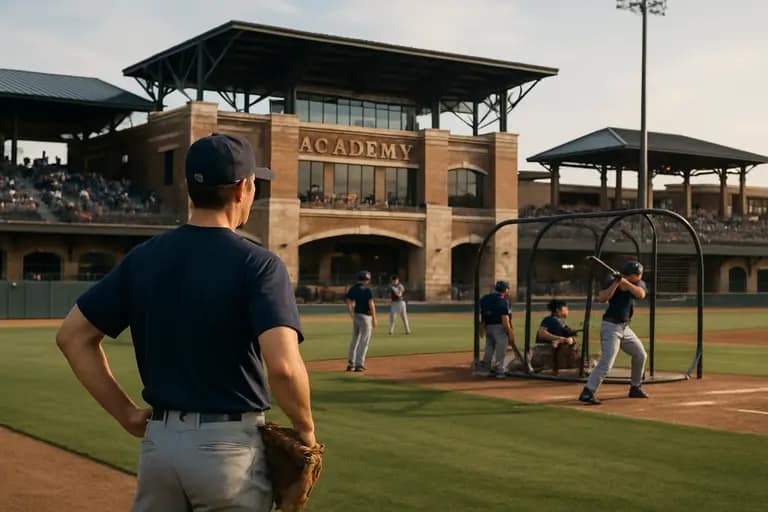
The Texas Rangers Youth Academy was established in 2017 and offers free programs intended to help young athletes develop on and off the field Rangers Youth Academy background. That free-access point is central to why the 2026 title resonates across the region. Elite baseball often carries costs tied to equipment, lessons, tournament travel, and showcase fees. A no-cost academy program can lower barriers for families while still placing expectations on effort, attendance, learning, and conduct.
Garciga’s description of developing “major league citizens” gives the program a wider frame than tournament results. The phrase connects baseball instruction with responsibility, resilience, and personal growth. For families, that matters because the youth sports calendar can become overly centered on exposure. The academy’s championship shows competitive outcomes can sit beside a broader mission instead of replacing it.
What Texas Programs Can Take From It
The Texas Rangers Youth Academy victory also gives local coaches a usable model for team standards. The public facts from the championship point to a few grounded takeaways, without making claims about rankings or player futures:
- Late-game belief has to be practiced. Players are more likely to respond in pressure innings when coaches set expectations before the moment arrives.
- Access matters in development. Free programming can help more athletes receive instruction, competition, and mentorship.
- Travel can teach maturity. Playing during All-Star Week in Philadelphia placed athletes in a setting that demanded focus away from home.
- Team success should not erase individual growth. The title matters, but player development still depends on daily habits and long-term support.
Texas baseball has many development paths: school programs, select teams, private instruction, local leagues, and academy opportunities. The Rangers’ title does not replace any of those paths. It does show how an academy connected to a Major League organization can create meaningful competition for players who may not otherwise get the same type of stage.
Why This Texas Rangers Youth Academy Victory Matters
The Texas Rangers Youth Academy victory matters because it connects a dramatic baseball finish with a local development mission. A 10-9 championship win over Compton is the headline. The six-run seventh inning is the memory. The deeper story is a Texas program helping young athletes learn how to compete, travel, adjust, and trust each other under pressure.
For youth baseball families, the win is a reminder to evaluate programs by more than tournament volume or social media attention. A strong development setting should teach the game, set behavior standards, provide competitive chances, and support the person behind the player. The Rangers’ academy, through this championship run, offered a public example of those pieces working together.
For players, the message is simple and demanding: stay in the inning. The Rangers were down five runs with three outs left and still found a way to finish. That does not happen without preparation, communication, and a dugout that keeps working. In Texas elite baseball circles, those traits travel well from academy fields to high school diamonds and beyond.
For coaches, the 2026 Commissioner’s Cup title provides a teaching clip without needing exaggeration. The facts are strong enough: a national 17-and-under academy event, a final in Philadelphia, a five-run deficit, a six-run response, a walk-off swing, and a second title for the Rangers program. That is plenty. The value comes from using the moment to reinforce habits that young athletes can carry into the next practice, the next game, and the next season.