For Texas youth baseball families, Gio Rojas offers a useful case study because his draft path connects elite amateur performance, professional evaluation, and patient player growth. The Texas Rangers selected Rojas, a left-handed pitcher from Marjory Stoneman Douglas High School in Florida, with the 16th overall pick in the 2026 MLB Draft, giving local coaches and parents a fresh example to discuss without turning one player’s story into a promise for every athlete.
That distinction matters. A first-round selection can inspire players, but the better lesson is not that every young pitcher should chase the same outcome. The better lesson is that long-term development requires repeated skill work, sound routines, physical readiness, and adults who keep the player’s future bigger than one weekend result.
Why Texas youth baseball Is Watching Rojas
A Draft Moment With Local Meaning
Rojas became a Texas Rangers first-round pick on July 11, 2026, when the club selected him No. 16 overall in the MLB Draft, according to Rojas draft selection. He did not grow up in Texas, so his example should not be framed as a Texas-made development story. His influence here comes through the Rangers’ choice, the attention that follows a first-round arm, and the conversations that choice creates in local bullpens, lessons, and team meetings.
For North Texas, Central Texas, and Houston-area programs, a Rangers first-round pitcher gives coaches a concrete reference point. Instead of speaking in broad terms about “getting noticed,” coaches can talk about the habits that help pitchers earn trust: throwing strikes, recovering well, competing with focus, and building arm strength with care. Those are not draft guarantees. They are baseball habits that help players at many levels.
What The Rangers Signal Means
Sports Illustrated described the Rangers’ selection of Rojas as part of a longer-term club view, not simply a short-term headline, in its look at the Rangers’ long-term view. That point matters for youth programs because professional organizations rarely treat young pitching as a quick project. The development window is long, and the work often includes strength, pitch execution, body control, mound presence, and game planning.
Local coaches can borrow the patience, not the pressure. A 12-year-old pitcher does not need a professional-style workload. A 15-year-old does not need to be labeled as a future draft pick after one strong tournament. What young players need is a plan that respects age, health, confidence, and skill growth over time.
Gio Rojas Pathway Lessons For Local Players
Texas youth baseball Lessons From A First-Round Arm
A Texas youth baseball takeaway from Rojas is that pitching development should be taught in layers. The first layer is command: can the player repeat a delivery well enough to throw competitive pitches? The second layer is intent: can the player attack the zone while staying under control? The third layer is adjustment: can the player respond when the inning gets hard, the umpire’s zone feels tight, or hitters stop chasing?
Those layers fit community teams as much as select programs. A player can learn a stable pre-pitch routine in a city league. A player can learn recovery habits after a Saturday doubleheader. A player can learn to talk with a coach about soreness, role, and confidence. Those lessons are not reserved for private facilities or national events.
What Coaches Can Teach Without Overpromising
Rojas’ draft status is real. Any claim that local players will follow the same path would be unfair. The useful coaching move is to turn attention into teachable standards. A pitcher can control preparation, listening, practice quality, and effort. A hitter facing that pitcher can control plan, timing, and response after a tough at-bat.
- Build weekly throwing plans around age, rest, and skill goals rather than radar readings alone.
- Teach pitchers to explain what they are working on, so development is not limited to coach commands.
- Use game results as feedback, not as the only measure of progress.
- Keep parents informed on roles, rest, and expectations before tournament weekends begin.
Those habits connect well with broader thinking on individual development in youth baseball events, where the best weekend is not always the one with the loudest stat line. Sometimes the best weekend is the one where a player learns to hold mechanics under stress or responds well after a rough inning.
Community Programs Can Turn Attention Into Habits
Fundamentals Before Showcase Pressure
Community programs have a strong role in keeping the Rojas conversation grounded. The research supplied for this topic identifies TX Smashers in Georgetown, Texas, as an organization focused on fundamentals, mentorship, and character-building. Those three words are not side items. They are the base of player development, especially for athletes who are still growing physically and emotionally.
Texas youth baseball players do not need every practice to feel like a tryout. They need steady instruction on catch play, fielding footwork, strike-zone awareness, baserunning decisions, and team communication. For pitchers, fundamentals include fielding the position, controlling the running game, backing up bases, and learning how to reset after misses. A complete player has more chances to stay on the field and help a team.
Mentorship And Character In Weekly Work
Mentorship matters because young players often copy what adults praise. If a coach praises only velocity, the pitcher may chase speed at the expense of command or health. If a coach praises only wins, players may hide discomfort or fear failure. If a coach praises preparation, honesty, and response, players learn that development is measured over more than one inning.
This is where community programs can serve Texas families well. They can set standards for how players carry equipment, warm up, treat umpires, handle teammates’ mistakes, and speak after games. Those standards may not appear in a box score, but they shape whether a young athlete can handle higher levels later.
How Families Should Read The Pro Example
Keep The Player First
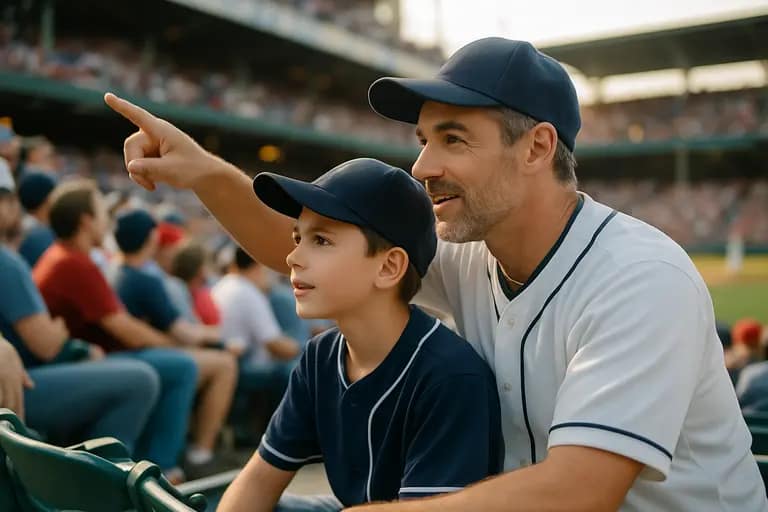
Families should treat Rojas’ rise as motivation, not a checklist. A high school player selected in the first round has reached an extremely rare point in the sport. Most players will not be drafted, and many will find their best baseball experiences through high school teams, junior colleges, college clubs, recreational leagues, or coaching later in life. That does not make the work less valuable.
The family question should be simple: is this baseball environment helping the player grow? Growth can mean better command, a stronger body, sharper focus in school, more confidence speaking with adults, or a better understanding of team responsibility. The pro pathway is one path. A healthy baseball pathway has many useful outcomes.
Use Draft Momentum For Better Questions
Draft attention can help families ask better questions of programs. How are pitchers monitored? How are roles assigned? What happens when a player struggles? How does a team balance exposure events with practice time? How are multi-sport athletes treated? Those questions are more useful than asking whether a coach can create the next first-round pick.
Texas families can also place the Rojas pick inside a wider local conversation about draft momentum for youth baseball. When a professional club invests in a young arm, local programs can respond by improving communication, teaching routines, and protecting the difference between aspiration and pressure.
Why The Rojas Pick Matters For Texas Development
Local Value Beyond One Draft Night
For Texas youth baseball, the Rojas pick matters most as a teaching moment. The Rangers’ selection gives coaches a current example to frame patience, pitching growth, and long-term planning. It also gives players a name they may follow as he begins his professional career, while reminding them that every player’s timeline is different.
The strongest community response is not to copy a professional organization. It is to build age-appropriate systems that help young athletes improve. That means cleaner practice plans, better rest habits, more honest parent conversations, and coaches who value the full player. If Texas programs use Rojas’ draft story in that way, the influence reaches far past a first-round announcement and into the daily work that keeps players learning the game.