A Summer Tournament Checklist helps Texas baseball families separate what matters from what only feels urgent. Summer weekends can include early report times, late bracket games, hotel changes, heat, food planning, and equipment rules. The goal is not to control every variable. The goal is to arrive prepared enough that the player can warm up, compete, recover, and learn without the adults creating extra noise around the game.
For youth and elite baseball families in Texas, tournament season is often part competition, part development check, and part family logistics test. A strong weekend plan should cover more than uniforms and hotel rooms. It should include player workload, hydration habits, budget, communication with coaches, and a clear understanding of what the event can and cannot prove about a young player.
A Summer Tournament Checklist For Texas Baseball Weekends
Start With The Event Facts
Before families book rooms or load the car, confirm the event details through the organizer or a reliable local report. In McAllen, the PONY Summer Super Series: International Tournament of Champions is listed for July 23–26, 2026, at the McAllen Youth Baseball Complex, with teams expected from Texas, Louisiana, Oklahoma, and Mexico, age divisions from 5U through 12U, and a reported $400 team entry fee local tournament report. Those facts matter because age group, location, and cost affect roster planning long before the first game.
Families should ask the coach or team administrator where the official schedule will be posted, how updates will be shared, and whether the tournament has specific bat, roster, or check-in rules. Do not assume every event uses the same format. A coach may be focused on lineups and pitching plans, while parents may be tracking hotel confirmations, meal windows, and siblings’ schedules. Clear roles reduce confusion.
Summer Tournament Checklist For Player Readiness
The player’s job is to be ready to play, but younger athletes need adult support to build the habits that make that possible. The Summer Tournament Checklist should include a simple readiness plan: sleep the night before travel, eat before arriving at the complex, bring water, pack sunscreen, and know where the uniform pieces are before leaving home.
Texas summer conditions can be hard on players, especially when a team plays multiple games with long gaps between them. Families should plan for shade, cooling breaks, and steady fluids. Parents should also watch for signs that a player is dragging physically or emotionally and communicate calmly with the coach if something seems off. This is not about panic. It is about respecting that a weekend tournament can put a real load on a young body.
Travel, Fees, And Schedule Pressure
Build A Real Weekend Budget
Tournament entry fees are only one piece of the cost. Families may also face lodging, fuel, meals, parking, gate fees, extra baseballs, replacement gear, laundry, and time away from work. If a team is traveling several hours, the budget should be discussed early so no family feels surprised the week of the event.
Local sports calendars can also affect hotel availability. Grapevine, for example, is scheduled to host the Desperado Summer Cup on August 7–9, 2026, with more than 200 teams from Texas, Oklahoma, and Louisiana listed for that event official event page. Even though that is a soccer event, it is a useful reminder for baseball families: summer weekends in Texas can fill hotels quickly when large youth sports events overlap in the same region.
The best Summer Tournament Checklist treats lodging as part of player development support, not just a parent task. A hotel far from the complex may save money but cost sleep. A room without breakfast may create a scramble before an 8 a.m. game. A late checkout option can matter if bracket play stretches into the afternoon. These details can influence how a young player feels by the third or fourth game.
Plan For Schedule Changes Without Overreacting
Weather, field availability, and bracket results can shift a tournament day quickly. Families should keep chargers in the car, monitor team communication, and avoid making rigid meal or entertainment plans between games. A player who spends a long break running around a hotel pool may not feel sharp when called back for a late game.
Parents can help by creating calm between games. That may mean finding shade, keeping meals simple, limiting emotional postgame breakdowns, and giving the player space. Not every at-bat needs a parking-lot lesson. Coaches need room to coach, and players need room to reset.
Player Readiness Before Pool Play
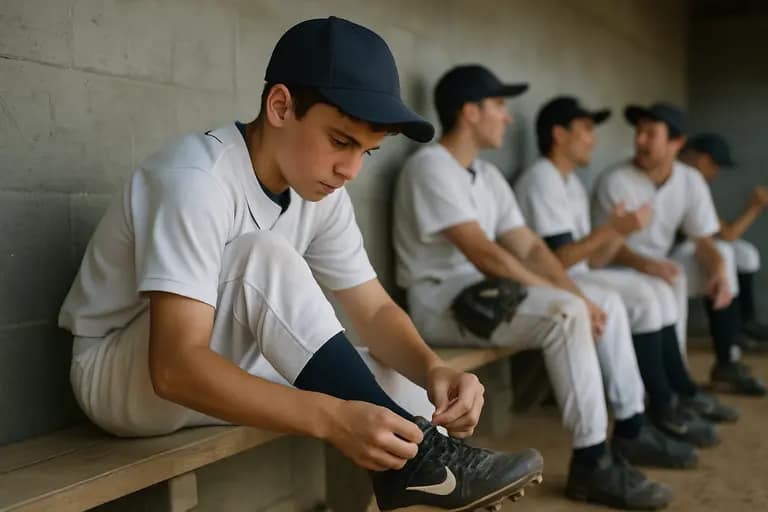
Check Equipment Before The Night Before
Equipment problems are preventable. Families should review bats, helmets, catcher’s gear, gloves, cleats, belts, socks, and any required uniform combinations several days before travel. If the tournament has bat certification rules, confirm them before the team arrives. A last-minute bat issue can put stress on the player and the coach.
- Pack uniforms, backup socks, belt, hat, glove, helmet, bat, cleats, turf shoes if needed, sunscreen, water, and recovery snacks.
- Confirm field address, report time, team communication channel, lodging details, and the plan for meals between games.
- Ask the coach how pitching workload, catcher workload, and warmup routines will be handled across the weekend.
- Bring basic comfort items such as towels, extra shirts, a small cooler if allowed, and portable shade when the venue permits it.
This list should be adjusted by age. A 6U player may need help remembering every item. A 12U player should start taking ownership of the bag with a parent checking behind him. That gradual transfer of responsibility is part of development. The Summer Tournament Checklist is not just for parents; it teaches the athlete how to prepare.
Keep Development In The Conversation
A tournament weekend can be valuable even when the stat line is quiet. Parents should look beyond hits, errors, and win-loss results. Did the player handle a tough umpire call? Did he stay engaged from the dugout? Did he recover after a strikeout? Did he compete in the strike zone as a pitcher? Those signs are not always captured in a box score, but they matter in elite baseball settings.
At the same time, families should avoid turning every weekend into a recruiting referendum. For most youth players, the priority is skill growth, game awareness, and learning how to compete with composure. If a player is exhausted, anxious, or injured, pushing through for appearances rarely helps long-term development. Parents should support the coach’s plan while staying honest about the player’s condition.
Why The Summer Tournament Checklist Matters In Texas
Texas baseball families deal with distance, heat, crowded sports calendars, and high expectations. A strong Summer Tournament Checklist gives the weekend structure without making it feel rigid. It helps parents focus on what they can control: arrival time, food, hydration, communication, equipment, and a calm tone around the player.
The family’s behavior can shape the player’s experience. A prepared parent is less likely to rush, argue, or react emotionally to every schedule change. That matters because young players often mirror the adults around them. If the car ride is calm, the gear is ready, and the plan is clear, the athlete has a better chance to focus on warmups, compete pitch to pitch, and leave the weekend with useful feedback.
For Texas baseball families chasing better competition, the smartest tournament plan is both practical and development-focused. Pack well, budget honestly, respect the heat, confirm the details, and let the game teach. A checklist will not guarantee wins, but it can protect the player’s energy and give the weekend a better chance to serve its real purpose: growth.