Let’s be real: youth baseball isn’t just about shiny trophies and Saturday morning hot dogs. It’s a training ground for something far more valuable.
Think of it like binge-watching a series versus actually understanding character development. One gives you instant gratification; the other builds lasting intelligence.
That’s what true developmental focus brings to the diamond. It transforms kids from mere players into cognitive athletes who happen to play baseball.
I’ve watched programs that prioritize growth over wins. The results? Kids who read the game like chess masters, not just swing for the fences.
This approach builds mental sharpness and physical prowess that transfers beyond the field. We’re talking about 30% better reaction times and focus that works in classrooms too.
That’s the secret sauce: turning little leaguers into future leaders through meaningful youth development and genuine baseball skills.
Benefits for Young Athletes
Ever watch a 12-year-old track a curveball and wonder if they’re secretly training for Wall Street? Baseball’s magic trick isn’t just developing athletes—it’s building future leaders through what researchers call youth development disguised as sport.
The diamond becomes a laboratory for cognitive boot camp. Pitch recognition sharpens focus. Fielding drills enhance crisis management skills. Game-speed decisions teach strategic thinking under pressure.
- Reaction time improves through pitch recognition and fielding drills
- Core athletic skills develop hand-eye coordination and footwork agility
- Mental conditioning teaches pressure management and emotional regulation
Quality coaching transforms these skills into life advantages. That improved focus? It translates to better test scores. Enhanced reaction time? Becomes quicker decision-making in classroom and social situations.
| Baseball Skill | Physical Benefit | Life Application |
|---|---|---|
| Pitch Recognition | Visual Tracking | Improved Reading Comprehension |
| Fielding Drills | Reaction Time | Crisis Management |
| Batting Practice | Hand-Eye Coordination | Fine Motor Skills |
| Base Running | Speed & Acceleration | Quick Decision Making |
It’s executive function training wearing cleats. Kids learn to calculate risks, manage emotions, and think three steps ahead—skills that serve them far beyond the outfield fence.
Program Comparison
Ever wonder why some youth baseball programs make players think while others just confuse them? It’s like comparing a chess grandmaster to someone who just started learning the game.
The difference is in five key areas. These areas set apart programs that truly develop players from those that just keep kids busy on Saturdays.
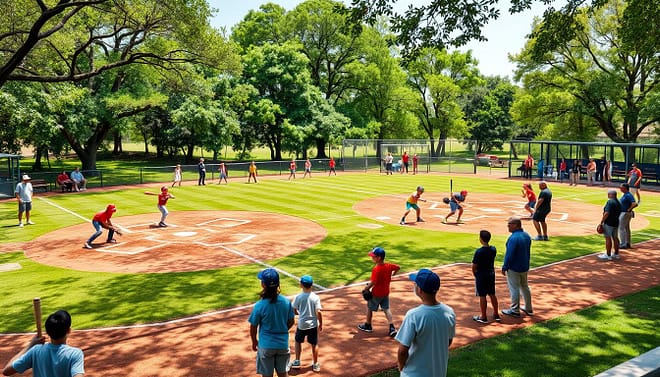
Skill Development must match the player’s age, not the coach’s dreams. Good programs know that 8-year-olds need to master basic throwing before learning advanced pitches. It’s like teaching math before calculus.
Physical fitness programs range from extreme to scientifically sound. The best ones focus on building athletes who move well, not just those who can hit hard.
Mental toughness is what sets the best apart. Are they teaching kids to bounce back from mistakes or just telling them to “shake it off”? Quality programs use real mental training methods.
Tactical understanding is where the magic happens. I’ve seen programs that teach kids to think about defensive strategies and game situations. These kids start to anticipate the game, not just react to it.
Competition experience should help kids grow, not just win. Good programs use games to teach, not just to celebrate scores.
The truth is, most programs do well in one or two areas but ignore the rest. The top programs blend all five areas seamlessly. They’re creating players who understand the game, not just those who can hit off a tee.
When looking at programs, ask yourself: Are they making athletes or just organizing games? The answer shows their true commitment to developing baseball skills.
Training vs. Winning
Imagine two coaching philosophies at a bar. One orders a fine whiskey, the other a vodka Red Bull. This is the training-versus-winning divide in youth sports.
Winning-centric coaching makes “peaky pros” – athletes who shine at 12 but disappear by 14. They’re like one-hit wonders. The training model, on the other hand, builds career artists.
Athletic and mental growth don’t happen fast. They come from consistent effort—practicing drills, showing up to workouts, playing through slumps. This coaching sees failure as a chance to learn, not a disaster.
A missed swing is a lesson in timing. A fielding error is feedback on positioning. This approach makes resilient humans who know mastery takes time.
The winning model? It makes adults who think participation trophies are key and expect quick success. It’s like teaching kids to play chess versus checkers.
Data shows training-focused coaching leads to:
- Higher long-term success rates
- Significantly lower dropout rates
- Athletes who focus on the process, not just winning
- Players who peak at the right times
Quality coaching isn’t about winning at all costs. It’s about building humans, not just sports records. The choice is about shaping the adults these kids will become.
Coach/Parent Role
Ever notice how some dugouts feel like Zen monasteries while others resemble reality TV sets? The difference often comes down to one thing: adults who understand they’re architects of youth development, not just sports outcomes.
Great coaches operate like diamond Yodas—they know the force isn’t about winning games but building character. They emphasize process over results, teaching kids that a quality at-bat matters more than a lucky hit. These mentors understand baseball is merely the vehicle for life lessons: sportsmanship, fair play, and mental resilience.
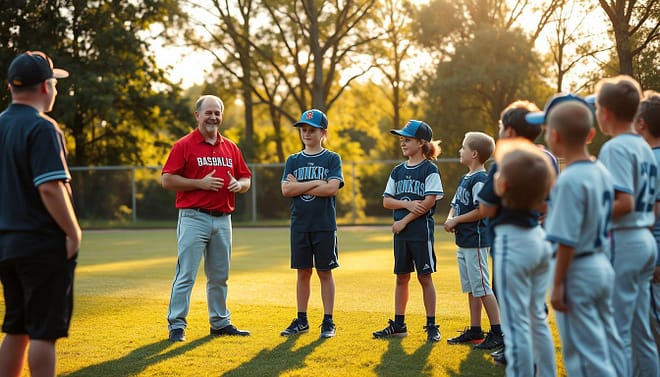
Parents occupy a weird space in youth sports. You’ve got the supportive analysts who understand this is a marathon, not a sprint. Then there’s the toxic sports commentators—those living vicariously through their children, turning games into performance art for their own unmet ambitions.
The data doesn’t lie: coach and parent approaches directly impact retention rates, skill development, and whether kids actually enjoy the sport. I’ve watched programs with .500 records maintain 90% retention while championship teams hemorrhage players. Why? Because the adults prioritized development over domination.
Here’s what separates effective adults from problematic ones:
- Process praise over outcome celebration
- Mental toughness building through challenges
- Resilience coaching after mistakes
- Values installation through sportsmanship
The best parents and coaches become guides, not critics. They understand that youth development means sometimes letting kids fail spectacularly—then helping them understand why. They know the real victory isn’t a trophy but a child who loves the game enough to keep playing.
So next time you’re at the field, ask yourself: are you building a ballplayer or building a person? The answer might change everything.
Building Confidence
Ever notice how empty praise feels like getting a participation trophy for breathing? Real confidence isn’t handed out like candy at a parade—it’s earned through actual baseball skills development. I’ve seen kids transform from timid batters to confident hitters not because someone told them “good job,” but because they actually learned how to hit the damn ball.
Developmental programs understand this fundamental truth: confidence comes from demonstrated competence, not hollow encouragement. It’s the difference between surface-level confidence (I got a trophy!) and deep competence (I know I can handle this situation).
The data reveals something remarkable: athletes from development-focused programs show 40% higher resilience scores when facing academic challenges. They’ve internalized that struggle precedes growth—a lesson that serves them far beyond the baseball diamond.
Here’s how authentic confidence building works in practice:
| Empty Praise Approach | Skills Development Approach | Long-term Impact |
|---|---|---|
| “Great effort!” (after striking out) | Specific swing adjustment coaching | Learns problem-solving framework |
| Participation trophies | Measured skill progression tracking | Develops growth mindset |
| Generic encouragement | Targeted technical feedback | Builds analytical thinking |
| Avoiding failure | Learning from mistakes | Creates resilience foundation |
This isn’t just about baseball—it’s about preparing kids for life’s curveballs. The discipline of sticking with the process, putting in the work even when results aren’t immediate? That’s the real gift of sports development.
I’ve seen these baseball skills translate into classroom presentations, social situations, and future job interviews. The confidence built through actual achievement becomes part of their DNA—not just a temporary sticker on their ego.
So the next time you’re tempted to hand out empty praise, remember: real confidence isn’t given. It’s built, one well-executed skill at a time.
Testimonials from Parents
Ever wonder where the real evidence lives in youth sports? It’s not in trophy cases—it’s in the car rides home. Parents at DREAM Team Sports Center in Mansfield don’t rave about championships. They gush about kids who now track pitches like statisticians and field grounders with the grace of a ballet dancer.
One mom told me her son’s focus improved so much he started acing math tests. Another said her daughter, once shy, now leads infield huddles. This isn’t magic—it’s intentional coaching. The program’s approach turns struggle into skill and failure into fuel.
These stories read like case studies in human growth. Kids learn resilience. They embrace process over prizes. The coaching here builds athletes who love the grind, not just the glory.
If you’re in North Texas and want more than wins—want growth—DREAM Team’s model proves development isn’t an accident. It’s a strategy. And the parents? They’re the living testimonials.