The USSSA Cross Roads Classic is scheduled for July 18-19, 2026, in Temple, Texas, according to the USSSA event lodging listing for Texas baseball USSSA lodging page. For families, the best preparation is not complicated: confirm registration, plan travel early, protect the player from heat and fatigue, and keep communication clear with the coach. A two-day tournament can feel short on paper, but in Texas summer conditions, small planning gaps can affect how a young player feels by the second game.
This is parent guidance, not a scouting report or a promise about results. The goal is to help families reduce avoidable stress so players can compete, recover, and keep learning. Temple is a manageable trip for many Texas teams, but lodging, arrival timing, meals, and rest still need attention. The families who handle those pieces early usually give their players a steadier weekend.
USSSA Cross Roads Classic Basics For Families
Dates, Location, And What Is Confirmed
The confirmed details from the available event information are simple: the tournament is set for July 18-19, 2026, in Temple, Texas. Families should keep checking with their team contact for game times, park assignments, gate procedures, and any schedule changes. Those details can shift as teams are entered, fields are assigned, and weather or operations issues arise.
Because the event is listed through USSSA Texas Baseball, parents should treat official USSSA communication and coach updates as the primary sources. Avoid building the entire weekend around unofficial screenshots, group chat guesses, or old tournament patterns. If your family is arranging work leave, hotel nights, or shared rides, ask the coach or team manager what information has been confirmed and what is still pending.
USSSA Cross Roads Classic Registration Steps
For the USSSA Cross Roads Classic, families should make sure the player’s USSSA profile is handled before tournament week. The USSSA parent/player support guide says parents should create an account, add their child, and upload required items such as a birth certificate and a clear headshot USSSA parent/player guide. The same guide lists a valid birth certificate or passport and a headshot as player profile requirements.
Do not wait until the night before travel to check documents. A blurry headshot, missing birth certificate, or profile issue can create pressure for the parent, coach, and player. If your player is new to USSSA events, ask the team manager to verify that the player appears correctly on the roster. Parents should also keep a digital copy of key documents accessible, while following any privacy preferences set by the family.
Travel, Lodging, And Arrival Planning
Book Early, Then Recheck Details
USSSA provides lodging information for Texas baseball events through its event lodging page. For families traveling to Temple, booking early is sensible because hotel choices near event areas can tighten as the weekend approaches. Early booking is not about chasing luxury; it is about protecting sleep, limiting morning drive time, and giving the player a calmer start before warmups.
Once a hotel is booked, recheck the basics: cancellation terms, check-in time, breakfast hours, distance to likely fields, and parking. If the team schedule is not final, choose a lodging plan with some flexibility. A hotel that looks perfect for one field may be less convenient if pool play is assigned elsewhere. Families should avoid assuming field assignments until the coach or tournament system confirms them.
Build A Realistic Arrival Window
For Texas tournament weekends, late arrivals often create the first avoidable stress point. A player who sprints from the car to the dugout may look ready, but the body and mind have not had time to settle. Plan for traffic, parking, sunscreen, restroom stops, hydration, cleats, and warmup. If your family is carpooling, agree on the departure time the day before, not during a rushed morning text chain.
For broader planning habits around heat, gear, and family routines, our Texas baseball tournament prep resource fits well with this type of weekend. The same principle applies here: the more predictable the parent side feels, the easier it is for the player to focus on baseball.
Heat, Nutrition, And Recovery Habits
Texas July Heat Changes The Weekend
July in Texas can bring extreme heat, with temperatures in the research notes described as often exceeding 100°F. That matters for baseball families because games, warmups, defensive innings, and time between games all add up. Players should have water available, but families also need a full-day plan that includes shade, cooling towels, light clothing between games, and a place to get out of direct sun when possible.
Parents should not treat hydration as something that begins after first pitch. Encourage steady fluids before the game, between innings when allowed, and after the game. If a player looks unusually tired, confused, dizzy, or unwell, remove pressure to “push through” and alert the coach or qualified event staff. Player safety comes before a pool play at-bat or one more inning on the mound.
Food Choices That Support Energy
A two-day event can create odd meal timing. Early games may mean a rushed breakfast, while late games can push dinner past a normal hour. Families should pack familiar snacks that the player already tolerates well. Heavy, greasy, or unfamiliar foods right before a game can leave a player uncomfortable. Simple meals, steady snacks, and planned recovery food usually work better than relying only on concession options.
For more detail on tournament food and hydration habits, families can review these youth baseball nutrition tips. Keep the focus practical: enough energy to compete, enough fluids to stay steady, and enough recovery time to come back ready for the next game.
Equipment And Game-Day Communication
Check Gear Before You Pack The Car
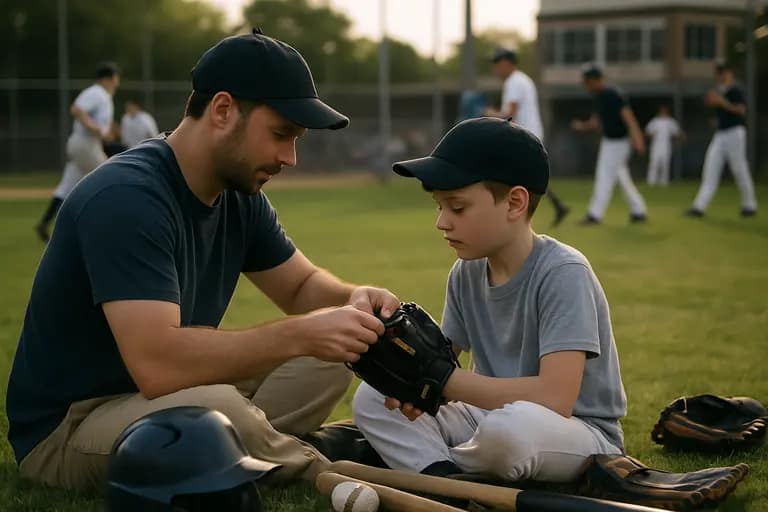
Equipment issues are usually preventable. Before leaving for Temple, players and parents should check the glove, bat, helmet, cleats or turf shoes, belt, uniform pieces, hat, cup, batting gloves, and any catcher’s gear if needed. Families should also confirm team-specific requirements with the coach. Some players carry extra socks, a second undershirt, tape, or a backup pair of batting gloves because Texas heat and sweat can make small items matter more over two days.
- Confirm the player profile, birth document, and headshot are complete before tournament week.
- Pack game gear, backup clothing, sunscreen, cooling items, and refillable drink containers.
- Verify hotel details, arrival time, field information, and coach communication channels.
- Plan meals and snacks around game times instead of waiting until the player is already hungry.
- Build in rest after games, especially if bracket play follows a long pool play day.
Keep The Player Out Of Adult Stress
For USSSA Cross Roads Classic families, communication should be clear but calm. Parents need updates about schedules, uniforms, arrival times, and documents. Players need a simpler message: be on time, be prepared, compete, and learn. If adults are frustrated about traffic, hotels, brackets, or field changes, try to keep that conversation away from the player right before games.
Good parent support is steady. It does not require loud speeches, constant correction, or replaying every mistake in the car. After games, ask simple questions: “How do you feel?” “What did coach say?” “What do you need before the next game?” Those questions help players take ownership without turning the ride back to the hotel into another evaluation session.
Development Mindset For A Two-Day Event
Measure More Than The Scoreboard
The USSSA Cross Roads Classic may include the familiar youth tournament rhythm of pool play followed by bracket play, but families should confirm the specific format and rules for this event through their team. Whatever the format, parents can help by watching development signals that go beyond wins and losses. Did the player handle a tough umpire call with composure? Did he adjust after a poor at-bat? Did he stay engaged on defense in the heat? Did he communicate with teammates?
Those habits matter in Texas elite baseball because better competition exposes routines. A player who can reset after failure, prepare between games, and listen to coaching has a better chance to grow from the weekend. Parents should avoid making one tournament feel like a verdict on the season. Young players need competitive reps, but they also need room to learn from them.
Rest Is Part Of Performance
Rest is not a reward after the weekend; it is part of the weekend plan. Sleep the night before travel, downtime between games, and a reasonable postgame routine can all affect how a player feels on day two. If your family is sharing a hotel with teammates, set expectations early. Team bonding is valuable, but hallway noise and late nights can show up in the batter’s box the next morning.
Parents also need to watch their own pace. A tired parent is more likely to rush, snap, forget gear, or create pressure. Keep the family schedule as simple as possible. Leave margin for meals, showers, laundry, and quiet time. That margin supports the player as much as another bucket of swings.
What The USSSA Cross Roads Classic Means For Player Support
The USSSA Cross Roads Classic gives families another chance to practice the habits that make tournament baseball healthier and more productive: early registration checks, smart lodging choices, heat awareness, planned nutrition, organized gear, and calm sideline behavior. None of those steps guarantee a hit, a win, or a clean inning. They do give the player a better environment for competing and learning.
For parents, the job is to handle the adult pieces without turning the weekend into a pressure test. Confirm what is official, ask questions early, respect coach communication, and prepare for Texas heat. Then let the player play. A well-planned weekend in Temple can be a useful baseball experience and a good family trip, especially when preparation supports development instead of adding noise.