Texas Youth Baseball has a clear opening after a strong MLB Draft season: turn attention into better daily environments for young players. Draft results can create excitement, but the next step for families and coaches is not chasing a headline. It is building better practice habits, clearer seasonal plans, and community leagues that keep more players learning the game long enough to grow.
That matters across the state because Texas player development is not built in one setting. It starts on local fields with tee-ball, coach-pitch, kid-pitch, recreational leagues, select teams, and seasonal tournaments. A player who later earns college or professional attention usually has years of ordinary weeknight work behind him: throwing progressions, defensive footwork, strike-zone awareness, baserunning, strength habits, and good recovery.
Why Texas Youth Baseball Should Build From Draft Momentum
Texas Youth Baseball Priorities After Draft Attention
The best response to draft momentum is a better development structure at the youngest levels. Texas Youth Baseball programs do not need to promise future draft picks. They can serve players more honestly by helping families understand what should happen at each age: learn movement first, compete in the right setting, avoid overuse, and add performance goals only when the player is ready for them.
For parents, this can change the questions they ask. Instead of asking only who won last weekend, families can ask how practices are built, whether coaches teach throwing routines, how catchers are developed, and whether players receive reps at more than one position. A development-first lens also helps families sort through tournament schedules without turning every weekend into a verdict on a child’s future.
Turning Excitement Into Weekly Habits
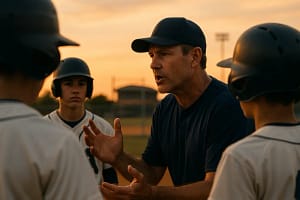
A draft season can inspire a young player, but weekly structure decides whether that inspiration becomes skill. The most useful local programs are often the ones that make the basics repeatable. That means clear practice themes, balanced game schedules, coach communication, and a place for players who are still learning to fail without being pushed out too early.
For Texas Youth Baseball families, this is where local leagues still matter. A recreational season can give a player game volume, friendships, and confidence. A select setting can give another player higher velocity, sharper competition, and more specialized coaching. Neither lane works well if the player skips the foundation. The strongest communities make room for both.
Community Leagues Set The Local Floor
Round Rock Shows The Scale Of The Base
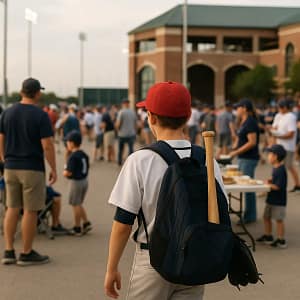
Central Texas offers a useful example in Round Rock. The Round Rock Baseball League supports approximately 1,500 players across 160 teams each year, with more than 900 games played annually on 20 fields at Old Settler’s Park, according to the Round Rock Baseball League. Those numbers show why community baseball infrastructure matters. Before any player reaches a showcase, college camp, or draft board, he needs access to fields, coaches, teammates, and a season that actually gets played.
Scale also creates responsibility. A league with many teams can influence how coaches teach throwing safety, how practice time is used, and how families view player progress. When a local league sets a healthy tone, it can reduce the pressure to specialize too early. Players can learn the sport, compete often, and still have space to develop physically.
Rowlett Gives Families A Clear Seasonal Model
Rowlett shows another piece of the community model. The City of Rowlett offers spring youth baseball for ages 3 to 13, with the 2026 season listed as an eight-game schedule followed by an end-of-season tournament; registration runs from November 3, 2025, to February 1, 2026, on the city’s spring youth baseball page. That kind of public schedule gives families time to plan around school, other sports, and travel costs.
Clear dates help coaches, too. A defined season allows teams to map out early skill work, midseason adjustments, and tournament preparation without guessing. For younger players, an end-of-season tournament can be a useful learning setting if adults frame it correctly. The goal is to teach readiness, teamwork, and game awareness, not to treat a spring bracket as a permanent label.
Player Development Needs A Wider Lens

The Recreational To Select Bridge
Texas Youth Baseball programs can do more for players by treating recreational and select baseball as connected pieces, not opposing worlds. A player may begin in a city league, gain confidence, and later need a higher-challenge roster. Another may try select baseball, discover the workload is not the right fit, and return to a local league with a better love for the game. Both outcomes can be healthy.
The bridge works best when coaches communicate honestly about skill readiness. Families benefit when a coach can explain why a player needs more defensive reps, more strike-zone discipline, or a better throwing routine before adding games. For a deeper development angle, our piece on individual development in youth baseball events connects tournament settings with confidence, teamwork, and long-term retention.
Coaches Can Protect Long-Term Growth
After a draft season, it is tempting for programs to copy the surface of elite baseball: more gear, more events, more travel. The better move is to copy the habits that usually sit beneath higher-level success. Coaches can make practices more purposeful without making them joyless.
- Build throwing warmups that match age, arm strength, and workload.
- Teach hitters to understand counts instead of only chasing hard contact.
- Rotate young players through positions before narrowing roles too soon.
- Use tournaments as feedback, not as the only measure of growth.
These are simple ideas, but they ask for discipline from adults. The player’s calendar should leave room for recovery, school, family, and other athletic movement. That balance is especially important in Texas, where long baseball seasons and warm weather can make year-round play feel normal even when a young body needs rest.
Draft attention can still be useful. It gives coaches a chance to talk about long-range growth, not shortcuts. Families who want to connect draft lessons to local practice planning can read our development-first breakdown of Texas MLB Draft takeaways for youth coaches.
What Texas Youth Baseball Can Do Next
A Practical Plan For Local Programs
The next step for Texas Youth Baseball is not one statewide answer. It is a set of local choices that raise the floor for every player. Community leagues can publish clear season calendars, coach expectations, and age-based skill goals. Select programs can be direct about tryout standards, playing time philosophy, and travel demands. Families can ask better questions before committing time and money.
Texas baseball will keep producing high-level players because the state has participation, weather, facilities, and competitive energy. Still, the best community programs will measure success by more than the top of the talent pool. They will ask whether beginners feel welcome, whether middle-tier players keep improving, whether coaches teach the game with patience, and whether advanced players are challenged without being rushed.
That is the real opportunity after a strong draft season. Texas can celebrate the players who earn attention while giving the next group a better starting point. If local leagues, select teams, and families keep the focus on steady growth, the state’s youth baseball base will be stronger from the first tee-ball practice to the last high school inning.