Remember that magical moment in Field of Dreams when Kevin Costner’s dad appears? That’s the perfect metaphor for effective parent support – present but never overbearing.
I’ve seen adults treat their kid’s baseball like it’s the Yankees’ farm system. They use spreadsheets and metrics. But the kid just wants sunflower seeds and high-fives.
Tom House got it right after fifty years: “Parents who are too involved can be just as detrimental as parents who aren’t involved at all.” Both extremes are wrong.
The key is finding the right balance. It’s about giving space for the kid to own their game while keeping encouragement close.
When you find that balance, magic happens for young athletes.
Positive Cheering
It’s ironic when parents spend a lot on youth sports but offer free, unsolicited advice from the stands. This approach often backfires, turning “encouragement” into harsh criticism. Kids can hear their parents’ voices over the noise of 50,000 fans.
Tom House, a famous pitching coach, could hear his mom’s throat-clear from center field. This is like hearing your parents’ disappointed sigh at your school play. It’s very noticeable.
Being a positive parent in youth sports is key. By creating a fun and supportive atmosphere, you help kids love the game more. It’s not about being the loudest, but the most helpful.
Good cheering involves waiting until play ends before cheering. Cheer positively and never negatively. Focus on effort, not just winning. Applaud good sportsmanship, not just home runs.
| Positive Cheering Approach | Negative Sideline Behavior | Impact on Young Athletes |
|---|---|---|
| “Great effort on that play!” | “What were you thinking?!” | Builds confidence vs. creates doubt |
| Applauding both teams’ good plays | Criticizing officials constantly | Teaches sportsmanship vs. teaches excuses |
| Waiting until play stops to cheer | Yelling during active play | Supports concentration vs. causes distraction |
| Focusing on improvement | Focusing only on winning | Develops growth mindset vs. creates pressure |
The right way to parent in youth sports turns the sideline into a support system. Your words are the soundtrack of their journey. Make it one they’ll cherish for years.
Communication with Coaches
Talking to your child’s coach can be tricky. It’s like trying to calm a storm while keeping your kid’s playing time safe.
Most youth coaches give their time because they love baseball. They’re not experts in negotiation or child development. They just want kids to enjoy the game.
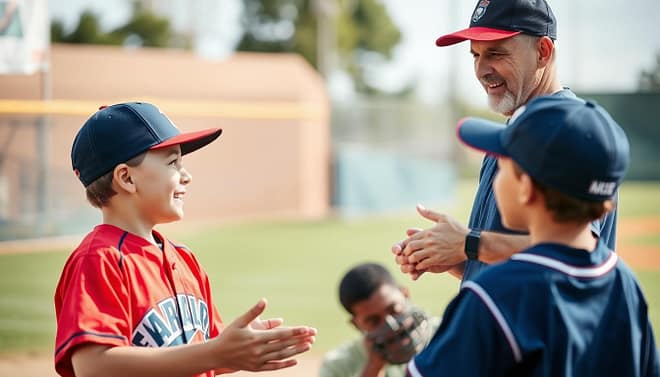
Having a meeting before the season starts is a smart move. It’s like reading the fine print before you complain. This meeting helps set clear expectations and avoids problems later on.
Let your child speak up when they can. Once they hit puberty, they might disagree with you more. Your role isn’t to be their agent in negotiations.
Teach your child to speak up for themselves. Ask them questions that encourage them to share their thoughts. Remember, you’re both on the same side, even if you disagree on the batting order.
| Communication Approach | Result | Coach Reaction |
|---|---|---|
| Demanding immediate changes | Defensive posture | Closed communication |
| Asking open-ended questions | Collaborative discussion | Receptive to dialogue |
| Requesting pre-season meeting | Clear expectations | Appreciates proactive parent support |
| Letting child speak first | Develops independence | Respects player initiative |
Good conversations help kids learn how to deal with challenges. They pick up skills in communication and conflict resolution that help them in life.
Being a good parent support means being a backup singer, not the lead. Let your child take the lead in their sports journey. But make sure they know you’re there to guide them when needed.
Avoiding Burnout
Let’s talk about the elephant in the dugout: youth sports burnout isn’t about tired muscles – it’s about emotional bankruptcy. I’ve seen kids turn from baseball lovers into tiny executives. They treat their sport like a job they can’t leave.
The stats are scary: 70% of kids quit sports by age 13. That’s more than most startups fail. The sad part? Parents often make it worse by treating every game like the World Series.
Here’s the truth: if losing hurts more than winning feels good, it’s work, not play. Your child shouldn’t need a sports psychologist before they get their driver’s license.
Prevention is simple: put well-being before winning, balance before batting practice. Research shows that recognizing when your child needs rest can prevent burnout.
So, what’s the solution? Sometimes, the best thing you can do is skip practice for ice cream or declare a “mental health day” from baseball. Nothing kills passion faster than being forced to do something.
| Burnout Warning Signs | Healthy Alternatives | Impact on Performance |
|---|---|---|
| Dreading practice sessions | Encourage other hobbies | Prevents emotional exhaustion |
| Performance anxiety | Focus on skill development | Builds long-term confidence |
| Social withdrawal | Plan non-sport activities | Maintains friendship bonds |
| Physical complaints | Schedule mandatory rest | Reduces injury risk by 40% |
Remember: youth sports should build character, not create characters from The Shining. The goal isn’t to make pro athletes. It’s to raise well-adjusted adults who might enjoy watching baseball without needing therapy.
The most revolutionary act in youth sports parenting might be the simplest: sometimes the best support is saying “enough” and going for pizza instead. Because nothing preserves passion like remembering it’s supposed to be fun.
Volunteer Opportunities
Youth sports rely heavily on volunteers, more than any professional team. Parents often focus on the game itself, forgetting the hard work behind it. They treat games like big events, but ignore the people who make it happen.
These programs need parent support to survive. You don’t need to be a sports expert to help. Even simple tasks, like organizing snacks, are very important.
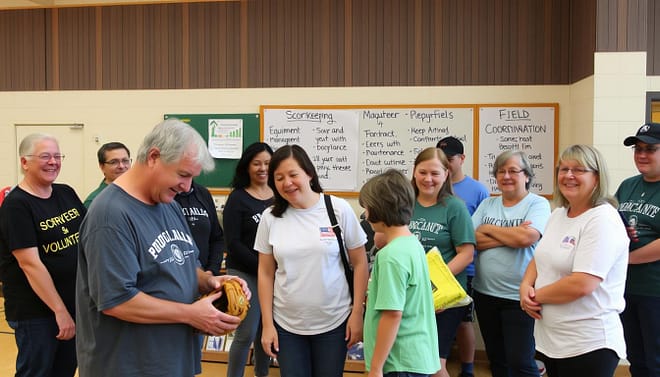
There are many unsung heroes in youth sports. The equipment manager keeps the right gear for each sport. The carpool coordinator helps avoid traffic jams. And the team parent remembers everyone’s food allergies.
When asked to coach, many parents feel overwhelmed. But, they’re not expected to be professional coaches. They’re asked to create a welcoming environment for kids.
The best volunteer coaches aren’t always former athletes. They’re adults who are enthusiastic and make kids feel valued. They’re good at keeping track of everyone’s needs, like water bottles.
| Volunteer Role | Time Commitment | Skills Needed | Impact Level |
|---|---|---|---|
| Snack Coordinator | 1-2 hours/week | Basic organization | High (prevents hangry meltdowns) |
| Equipment Manager | 30 minutes/game | Counting skills | Critical (no gear, no game) |
| Carpool Captain | Variable | Google Maps proficiency | Medium-High (saves families) |
| Assistant Coach | 3-5 hours/week | Enthuasiasm > expertise | Maximum (shapes experience) |
| Team Photographer | During games | Smartphone mastery | Medium (creates memories) |
Parent support is key in youth sports. It’s not just about watching games. It’s about being part of the team. Every family has a role to play.
When you see a sign-up sheet, don’t ignore it. It’s the heart of your child’s sports experience. You might find you’re great at organizing snacks, even if you’re not a sports star.
Stories from Stands
Let’s be honest – nobody’s kid is going pro. The real championships happen in the parking lot pizza parties, not on the scoreboard. I’ve collected more dugout drama than a Hollywood screenwriter, and the best scripts never involve final scores.
Research confirms what we intuitively know about youth sports parenting. Kids remember feelings, not statistics. An hour after the game, they can’t tell you the score, but they’ll describe the post-game pizza in culinary detail worthy of a Michelin guide.
There was the time a right fielder accidentally threw his glove at a fly ball instead of catching it. The entire stands erupted in laughter – including the opposing team’s parents. That kid became a legend for all the right reasons.
Or the team that organized a surprise birthday party for their worst player. The cake was lopsided, the candles were mismatched, and it was the most beautiful thing I’ve seen on any field.
These moments become family lore – the stories you’ll retell when your athlete is home from college. The standing ovations that matter aren’t for game-winning hits; they’re for acts of sportsmanship that would make Mr. Rogers proud.
| What Kids Remember | What Parents Focus On | What Actually Matters |
|---|---|---|
| Post-game snacks | Final score | Team camaraderie |
| Teammate helping them up | Personal statistics | Sportsmanship moments |
| Coach’s encouragement | Win-loss record | Character development |
| Locker room jokes | Tournament rankings | Lifelong memories |
Decades from now, nobody will care about the 8-year-old championship trophy collecting dust in the attic. But they’ll remember the coach who believed in them when they struck out three times in one game.
The data doesn’t lie about youth sports parenting. In interviews with thousands of Little Leaguers, researchers found kids remember experiences, not outcomes. They remember the feeling of belonging more than any personal achievement.
So enjoy your child’s time in youth sports. It’s fleeting faster than a pop fly in the sun. These are the stories that will become your family’s oral history – the good old days you’ll reminisce about when your athlete has athletes of their own.
Because in the end, the only stats that matter are the memories made and the character built. Everything else is just box scores destined for the recycling bin.
Parent Communities
Think of parent support as the secret sauce of youth sports. It’s less about diplomacy and more about creating a team-first mentality. Cheer for all players, not just your own. Learn names beyond your child’s roster spot.
Strong parent support builds an environment where kids feel valued regardless of the score. Mistakes become lessons. Post-game snacks beat concession stand offerings every time.
The real trophy isn’t plastic. It’s the community you’ve built around these young athletes. That kind of parent support lasts long after the season ends.