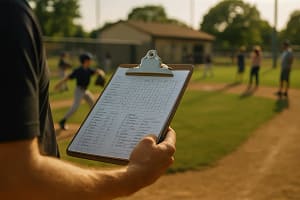
West Texas Showcase Exposure can be useful for an uncommitted player, but only if the family treats the day as part of a larger development plan. A showcase is not a magic fix for recruiting. It is a chance to show current tools, compete with energy, communicate like a young adult, and give college coaches clean information they can evaluate later.
For Texas families, the setting matters. West Texas travel can mean long drives, changing weather, heat, and a schedule that does not always leave much room for recovery. The player still has to run, throw, hit, field, listen, and handle disappointment if one station goes poorly. Parents can help most by preparing the details early, then letting the athlete own the baseball parts once the event starts.
West Texas Showcase Exposure Starts Before Check-In
The work starts well before the player walks onto the field. Families should know why they are attending, which schools or programs fit the athlete, and what information a coach will need after the event. If the event format follows the common showcase model, players may go through timed sprints, hitting evaluations, defensive work, pitching sessions, and some game action, a structure described in this showcase format basics resource.
West Texas Showcase Exposure Email Basics
A short pre-event email can help a player become more than a name on a roster. The athlete should send it, not the parent. Keep it simple: name, graduation year, position, high school or club team, academic interest if known, event name, schedule time if available, and a link to video or a player profile. The message should not promise outcomes or ask for special attention. It should make it easy for a coach to identify the player and decide whether to watch.
Parents can proofread for clarity, but the voice should sound like the player. Coaches are evaluating maturity along with baseball ability. A player who can introduce himself, answer a question, and follow up respectfully is showing habits that matter in a college program.
Build A Player Profile Coaches Can Use
A player profile does not need to be fancy. It needs to be current. Include graduation year, positions, height and weight if the family is comfortable sharing, throwing and hitting side, school, summer team, contact information, academic information, and video. If test scores are not available or not part of the current plan, do not invent placeholders. If grades are strong, make them easy to find.
Video should be clear and recent. For hitters, a mix of side-view swings, behind-the-plate angles if available, and game swings is more useful than a long music-backed reel. For pitchers, show the delivery, pitch movement, and strikes. For defenders, show footwork and throws. The goal is not to make a player look perfect. The goal is to give a coach enough real information to decide whether to keep watching.
Match Preparation To The Showcase Format
Families often think preparation means taking extra batting practice the night before. That can help some players, but it can also leave others tired. Better preparation starts weeks ahead with the likely stations. If the event includes a 60-yard dash, defensive throws, batting practice, bullpen work, and game play, then training should touch each area without cramming.
Train For The Common Stations
The 60-yard dash is not just about speed; it is about a clean start and running in a straight line under pressure. Defensive work is not just arm strength; it is footwork, exchange, carry, and accuracy. Hitting evaluations are not just exit velocity; they reveal timing, balance, swing decisions, and how the player responds after a poor round. Pitchers need to prepare for mound routine, command, and how they carry themselves between pitches.
Parents can ask the player and coach to set two or three controllable goals for the day. Examples include getting loose on time, finishing every rep, using a normal pre-pitch routine, or staying engaged after one mistake. These goals keep the player from treating one number as the entire day.
Make Measurables Honest, Not Inflated
Coaches do care about measurable tools. Recruiting resources often point to the 60-yard dash, exit velocity, arm strength, and pitching velocity as common evaluation points, with higher-level benchmarks varying by position and player type, as covered in this baseball recruiting overview. That does not mean a family should chase numbers at the expense of health or skill.
If a player runs a slower time than expected, it is one data point. If a pitcher sits below a target velocity but throws strikes, competes, and shows a usable secondary pitch, that still has value. The best response after the event is to compare the numbers to the player’s training history and decide what can improve safely. West Texas Showcase Exposure should create clearer feedback, not panic.
Parent Support During A Showcase Day
Showcase days can be stressful because parents see the cost, the travel, and the limited chances. Players feel that pressure too. The family tone can either calm the athlete or tighten him up. A parent does not need to disappear, but the player should not feel coached from behind the fence after every rep.
Let The Player Handle Baseball Conversations
If a coach or organizer asks the player a question, let the athlete answer. If the player needs help finding a field, getting water, or checking the next station time, parents can support that quietly. But recruiting conversations should belong to the player whenever possible. College baseball requires self-management. A showcase is a safe place to practice that skill.
Parents should avoid explaining away poor performance to coaches. A tired arm, bad sleep, travel trouble, or a rough round may be real, but excuses rarely help. If there is a legitimate injury or safety issue, handle it directly and appropriately. Otherwise, let the player show how he responds.
Keep Logistics Quiet And Reliable
The less a player has to worry about food, water, directions, gear, and timing, the better he can compete. Families should confirm arrival time, uniform needs, extra socks, backup batting gloves, water, snacks, sunscreen, and recovery food. West Texas heat can make small planning errors feel bigger by the middle of the day.
For a broader event-weekend packing mindset, families can use a Texas tournament checklist and adjust it for a showcase setting. A showcase may not have the same game load as a tournament, but the same basics apply: arrive early, stay fueled, protect the arm, and avoid last-minute gear problems.
- Pack one folder or digital note with the player profile, schedule, coach contacts, and emergency information.
- Bring more water than the player expects to need, especially for warm West Texas afternoons.
- Set a post-event meal plan before the day starts so the player can recover without another decision.
- Keep parent feedback short after the event; ask the player what he learned before offering opinions.
Recruiting Value And Cost Control
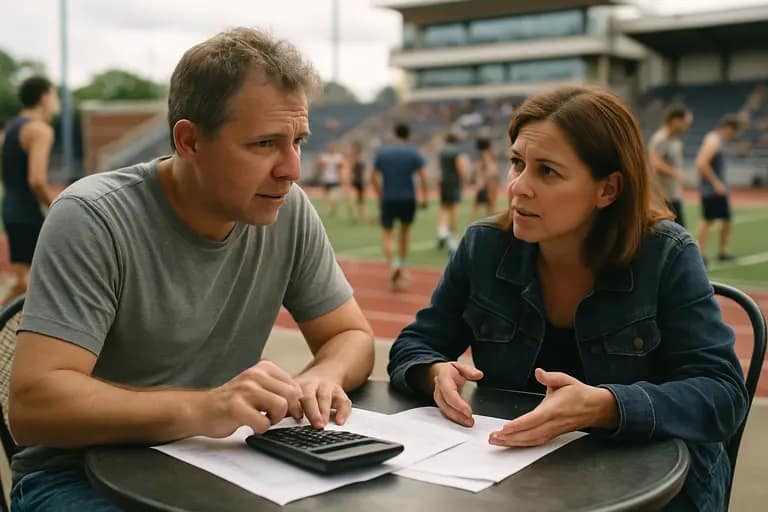
Not every showcase is the right showcase. Families should ask whether the event fits the athlete’s current level, graduation year, academic goals, and target schools. A younger player may benefit more from training and steady competition than from chasing exposure every month. An older uncommitted player may need more direct contact with schools that still fit his profile.
Pick Events That Match The Player
The right event is not always the biggest event. It is the one where the player can be seen by programs that make sense. Families should compare the player’s current tools, grades, position, and timeline against the schools likely to attend. If that information is not clear, ask the organizer what level of programs usually evaluates players at the event. If the answer is vague, be cautious with the spend.
West Texas Showcase Exposure works best when the family has a target list. That list can include reach schools, realistic fits, and programs where the player has already started communication. The more specific the list, the easier it is to judge whether the event is worth the time and money.
Talk About Scholarships With Clear Eyes
Families should also discuss money honestly. Baseball scholarships are often partial, and recruiting resources note that Division I baseball has operated with 11.7 scholarships spread across roster needs, which means many players do not receive full athletic funding. That reality should shape expectations before a family spends heavily on travel, registrations, video, and training.
This does not mean showcases lack value. It means the family should treat exposure as one part of a larger plan that includes academics, development, communication, and financial fit. A player who improves his grades may expand his school options. A player who builds strength, command, or defensive reliability may become a better fit months later. The recruiting process rewards steady progress more than one busy weekend.
West Texas Showcase Exposure Family Plan
A good plan gives the player structure without making the day feel like a final exam. Before the event, confirm the profile, send coach emails, review the schedule, and train the likely stations. During the event, help with logistics and let the player compete. After the event, use the results to guide the next phase of work.
After-Event Follow-Up
Within a few days, the player should send brief follow-up notes to any coach he contacted before the event or spoke with during the day. The note can include thanks, updated metrics if available, video from the event if appropriate, and the next schedule window. It should not be long. It should be accurate and respectful.
If no coach responds, that does not automatically mean the day failed. Coaches have roster limits, academic standards, position needs, and their own timing. The family should track who was contacted, who responded, and what the next step might be. Then the player can keep developing instead of guessing.
What To Track For The Next Month
After the showcase, choose a few development markers. A hitter might track swing decisions, strength gains, and quality contact in games. A pitcher might track strike percentage, recovery, secondary pitch feel, and velocity trends without throwing too often. A defender might track first-step work, throwing accuracy, and footwork under pressure.
The best use of West Texas Showcase Exposure is not just being seen once. It is learning where the player stands, showing maturity in front of evaluators, and building a cleaner plan for the next contact, the next event, and the next season.