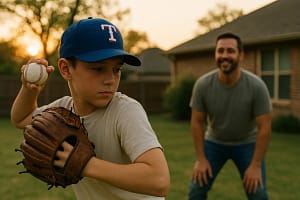
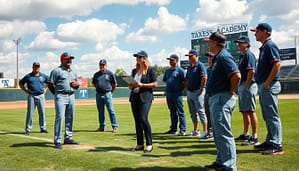
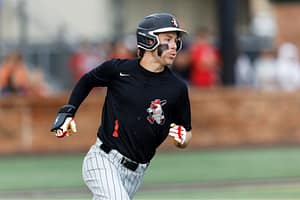
The All-American Games can give Texas baseball families a clear learning week, not just another event on the summer calendar. For young athletes, the value sits in the mix of tournament competition, measurable skills work, coach feedback, and time around players from other regions. That combination can help a player understand what travels well outside his normal league, what needs more practice, and how he handles a busier baseball setting with new teammates.
For Texas families, that matters because development often gets judged too quickly by one weekend result. A player may hit well against familiar arms in local pool play, then learn something different when he faces a new tempo, a stronger running game, or a catcher with a quicker exchange. Events with national participation can place those lessons in front of families in a way that is easier to see and discuss after the games are over.
Why The All-American Games Fit Player Development
All-American Games Reps Beyond The Local Schedule
The event format gives players a chance to compete in a three-day tournament with athletes in their age division, according to the official Baseball Youth event page. That detail is useful for parents and coaches because a multi-day schedule tests more than raw tools. It asks a young player to reset after a tough at-bat, stay ready between games, manage energy, and contribute in a team setting where roles may shift.
A Texas shortstop who is used to batting near the top of the order may have to adjust to a different lineup spot. A pitcher may need to prepare around a different warmup routine. An outfielder may face new communication standards with teammates he has just met. Those small changes are not side issues. They are part of learning how to compete outside a comfort zone.
Teamwork With New Teammates
Buddy requests can help young players feel comfortable, but the broader learning point is still social and competitive adjustment. Players have to introduce themselves, listen to coaches, pick up team signs, and support teammates from different baseball backgrounds. For younger athletes, that can be a major step in maturity.
Texas baseball is full of strong local identities, from Houston-area select programs to North Texas teams, Central Texas clubs, and South Texas communities. A national event can show a player that good baseball habits are understood across regions: be on time, know the count, back up bases, communicate on defense, and compete without letting emotion take over the dugout.
Using Metrics Without Losing The Player
Performance Events As Teaching Tools
The All-American Games include performance opportunities such as Home Run Derby, throwing velocity, exit velocity, pitchers velocity, the 60-yard dash, and catcher pop time. Those events can be exciting, but the best use for Texas families is practical. A number should start a conversation, not end one.
Exit velocity can help a hitter see whether his swing is producing firm contact, but it does not replace pitch selection. Throwing velocity can show arm strength, but it does not measure footwork, carry, accuracy, or decision-making. A 60-yard dash time can point to running speed, but game speed still depends on reads, jumps, turns, and effort out of the box. Catcher pop time can highlight transfer and arm action, but receiving, blocking, and game leadership remain part of the position.
Families who want to keep the focus on steady growth can connect these event numbers to a longer plan. A player might leave with one measurable goal, one defensive goal, and one routine goal for the next month. That keeps the post-event conversation grounded, especially for athletes who are still growing physically.
How Coaches Can Frame The Numbers
Coaches can help by explaining what each metric can and cannot show. A strong number in one station is encouraging, but it is not a full player profile. A lower number is not a final judgment either. Youth athletes grow at different rates, and the most useful response is often to identify the next trainable skill.
For example, a hitter with average exit velocity may need more lower-half direction, better contact points, or improved swing decisions. A catcher looking to improve pop time may need cleaner foot replacement before throwing harder. A pitcher chasing more velocity may first need repeatable direction, balance, and recovery habits. This is where event feedback can support everyday practice instead of creating pressure.
Travel, Schedule, And Family Planning For Texas
The Texas Date On The Calendar
The Baseball Youth schedule lists a Texas event for July 23-26, 2026, along with Reno-Tahoe on July 26-28, 2026, and Panama City Beach on July 30-August 2, 2026. For local families, the Texas date can reduce travel strain compared with out-of-state options, though families still need to plan around heat, lodging, meals, and recovery between games.
Late July baseball in Texas brings its own demands. Hydration, shade, postgame food, and sleep are not extras for young athletes. They shape performance and attitude across a multi-day event. Parents can prepare by packing familiar snacks, extra socks, cooling towels, backup belts, and enough water to avoid relying only on the venue schedule. For a deeper Texas tournament approach, our guide to young athlete tournament nutrition connects food and hydration choices to game-day energy.
Building A Useful Post-Event Review
A family should not wait until the ride home to decide what mattered. Before the event, pick a few simple questions: How does the player handle new teammates? Does he stay composed after failure? Does he prepare between games? Does he apply coach instruction quickly? Does he compete with consistent effort even when the score or role changes?
Those answers often tell more about future readiness than one box score. After the event, players can write down two things they did well and two things to train. Coaches can help turn those notes into weekly work. This approach matches a development-first view of youth events, similar to our discussion of individual development in youth baseball events.
Recognition, Exposure, And The Right Mindset
What Exposure Can And Cannot Do
The All-American Games bring players from across the country, giving young athletes a larger stage than a typical local weekend. The event also notes that strong performers may be selected for Baseball Youth Elite Teams, which can lead to more national competition opportunities. That is meaningful, but it should be handled with a clear head.
Exposure is not a guarantee of future selection, recruiting interest, or long-term success. For youth players, the better goal is to learn how performance holds up around better competition and unfamiliar routines. A player who leaves with sharper practice habits has gained something valuable even without a major award.
Keeping Awards In Perspective
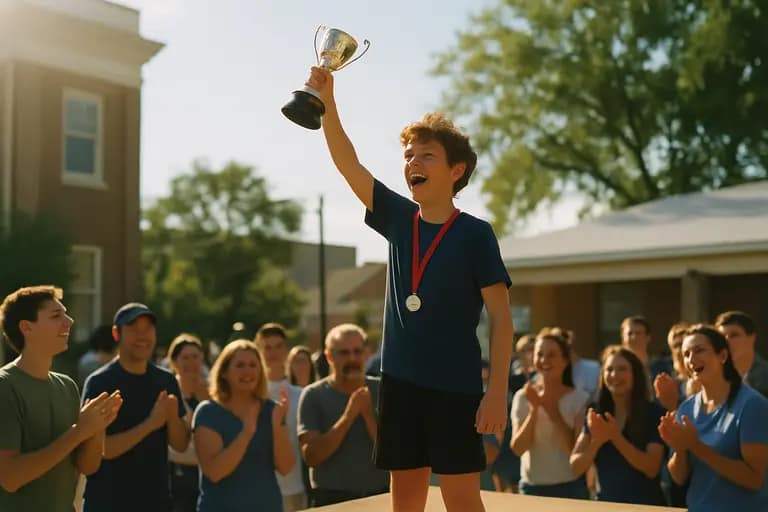
Recognition items such as jerseys, hats, rings, and event awards can make the week memorable. Young players enjoy those moments, and families should let them enjoy it. Still, keepsakes should not become the main measure of the experience. The stronger question is whether the player grew in confidence, awareness, and responsibility.
A useful parent conversation might sound simple: What pitcher gave you trouble? What defensive play made you think faster? Which teammate did you learn from? What coach instruction helped you most? These questions push the player to process the event like an athlete rather than only remember the result.
All-American Games Takeaways For Texas Families
The best Texas takeaway is that the All-American Games can serve as a development checkpoint. It gives families a structured setting to see skills, behavior, preparation, and competitive response. It can also help players understand that baseball growth is built through repeatable habits, not one loud swing or one strong throw.
For coaches, the event can provide a shared reference point for future training. If a player struggled with pace, build faster decision drills. If he showed strong tools but inconsistent game focus, tighten practice standards. If he handled travel, teammates, and pressure well, keep giving him responsibility.
For players, the message is clear: compete hard, listen well, meet people, track what you learn, and bring the work back home. That is how a summer event becomes more than a trip. It becomes part of a Texas player’s growth plan.