Let’s be honest. Finding the right spot for youth sports is tough. It’s not like the movie “Field of Dreams“. It’s more like solving a puzzle from the Pentagon.
This isn’t just about any old field. It’s about finding places where kids grow and dreams come true. I’ve done the research so you don’t have to.
Think of this as your guide to local sports spots. Places like the Neal Recreation Center at 600 N. Randolph Ave. offer programs for young athletes.
The Bryan Regional Athletic Complex at 5440 N. Texas Ave. has top-notch fields. These are where kids learn to play their best.
Your journey starts here.
FAQ
Q: What is the Bryan Sports Complex?
A: The Bryan Sports Complex is a state-of-the-art sports facility located in Bryan, Texas. It offers a wide range of sports facilities, including baseball fields, soccer fields, and more.
Q: What sports facilities are available at the Bryan Sports Complex?
A: The Bryan Sports Complex offers a variety of sports facilities, including baseball fields, soccer fields, and more. It is designed to accommodate different sports and activities.
Q: What amenities are available at the Bryan Sports Complex?
A: The Bryan Sports Complex provides a range of amenities to enhance the sports experience. These include well-maintained fields, modern facilities, and more.
Q: What are the benefits of hosting sports events at the Bryan Sports Complex?
A: Hosting sports events at the Bryan Sports Complex offers several benefits. It provides a professional and well-equipped venue for athletes and spectators alike.
Q: What are the upcoming events at the Bryan Sports Complex?
A: The Bryan Sports Complex has a variety of upcoming events. From local tournaments to national championships, there is something for everyone to enjoy.
Q: How can I book a sports facility at the Bryan Sports Complex?
A: Booking a sports facility at the Bryan Sports Complex is easy. Simply contact the facility management team to inquire about availability and pricing.
Q: What are the contact details for the Bryan Sports Complex?
A: For more information about the Bryan Sports Complex, including contact details, visit their official website or call their office.
FAQ
Q: What are the benefits of using a portable solar panel for camping?
A: Portable solar panels for camping offer several benefits. They provide a reliable source of renewable energy, allowing you to charge your devices and stay connected. They are also lightweight and easy to transport, making them perfect for outdoor adventures. Plus, they help reduce your carbon footprint and promote sustainable camping practices.
Q: How do I choose the right portable solar panel for camping?
A: When choosing a portable solar panel for camping, consider the size and weight of the panel. Look for panels that are compact and lightweight, making them easy to carry. Also, consider the power output of the panel. Choose a panel with a high wattage rating to ensure you can charge your devices efficiently. Check the panel’s compatibility with your devices and consider any additional features you may need, such as a built-in battery or a protective case.
Q: What are some top-rated portable solar panels for camping?
A: Some top-rated portable solar panels for camping include the Goal Zero Nomad 7 Solar Panel, the BigBlue Solar Panel, and the Jackery SolarSaga 100W Solar Panel. These panels are known for their high efficiency, durability, and ease of use. They offer reliable performance and are designed to withstand the rigors of outdoor adventures.
Q: How do I set up a portable solar panel for camping?
A: Setting up a portable solar panel for camping is relatively simple. Start by finding a sunny spot with minimal shade. Lay out the solar panel and ensure it is facing directly towards the sun. Use the included mounting system to secure the panel in place. Connect the panel to your devices using the appropriate cables and charging ports. Follow the manufacturer’s instructions for optimal performance.
Q: What are some tips for using a portable solar panel for camping?
A: To get the most out of your portable solar panel for camping, follow these tips. First, choose a sunny spot with minimal shade to maximize energy absorption. Use a solar panel bag or case to protect the panel during transport. Regularly clean the panel to ensure optimal performance. Monitor the panel’s output and adjust its position as needed to maintain efficiency. Consider using a battery to store excess energy for use during the night or in cloudy conditions.
Q: What are some other uses for portable solar panels?
A: Portable solar panels are not limited to camping. They can be used for a variety of purposes. They are ideal for outdoor events, such as music festivals or sporting events, where you need to keep your devices charged. They are also great for RVs and motorhomes, providing a reliable source of renewable energy on the go. Portable solar panels can even be used for emergency situations, such as power outages or natural disasters, to keep essential devices charged.
Soccer Field Specifications
Imagine a big, green area at the Bryan Regional Athletic Complex on North Texas Avenue. Picture tiny humans running around, chasing a ball that seems to have its own plans. This is where soccer starts in Bryan, with laughter and a first step into the game.
The Start Smart Soccer program is perfect for preschoolers. It’s a partnership with the Bryan Soccer Club, focusing on fun, not winning. The field is safe and open, with no big dangers like a dropped juice box.
So, what makes this soccer complex great for little feet? The surface is key. It must be even and smooth, without any surprises. This lets kids focus on the game, not where they’re stepping.
Next, the lines are important. For a three-year-old, clear lines are like magic. They help kids learn about the game’s rules and boundaries.
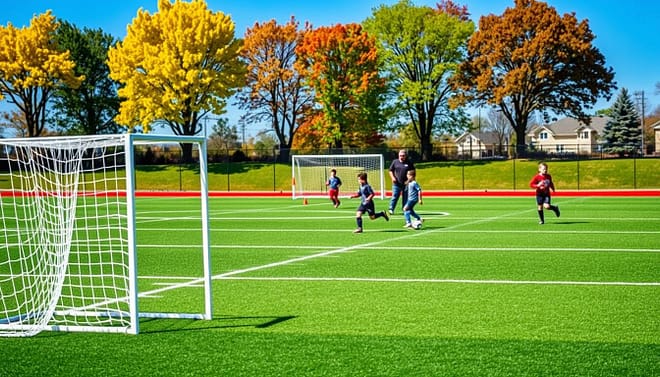
Goals are also critical. They must be strong and stable. This ensures kids can celebrate without worrying about the net falling over. Safe goals give kids a real target and parents peace of mind.
The same athletic facilities support both Start Smart and competitive club players. The table below shows how the BRAC’s design grows with the players’ skills.
| Focus Area | Start Smart (Ages 3-5) | Club & League Play |
|---|---|---|
| Field Size | Small, scaled-down grids | Expanding toward regulation dimensions |
| Surface Focus | Safety and consistency for running | True ball roll and player traction |
| Goal Type | Small, lightweight, and ultra-safe | Full-size, FIFA-approved nets |
| Program Example | Bryan Soccer Club’s Start Smart | Bryan Soccer Club competitive teams |
This adaptable design is the heart of the place. The same field that helps toddlers learn also supports teenagers. The Bryan Regional Athletic Complex is more than a place; it’s a growing space for soccer.
When checking out youth athletic facilities, look beyond the surface. See if the fields are for growth or just games. In Bryan, they’re for every step in soccer, from the first kick to the first goal.
Basketball Court Information
Basketball for preschoolers at the Neal Center is a dance of development. The Start Smart Basketball program turns 600 N. Randolph Avenue into a place for tiny athletes to learn. It’s not about making the next LeBron James. It’s about growing their brains and learning to dribble.
The Neal Recreation Center is what a good Bryan sports complex should be. It has controlled environments for kids to play. Unlike your driveway, this court is consistent. The surface is easy to predict, and the baskets adjust.
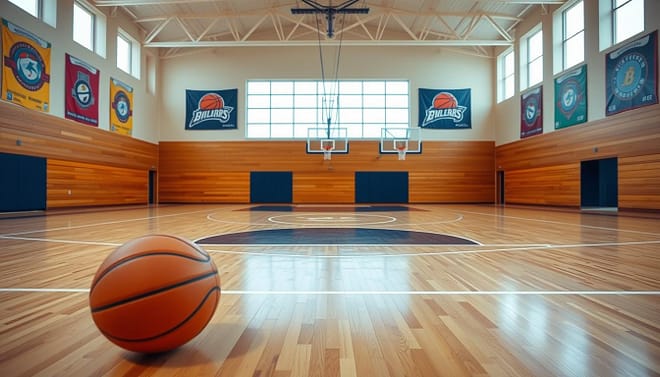
The court’s design is perfect for young kids. It’s not too big, and the baskets are easy to reach. This helps kids feel confident and successful.
The sound of sneakers on the hardwood is different from concrete. The floor gives a bit, and the space echoes. These small things help kids learn and grow.
I’ve seen kids play basketball on driveways before. The ball always goes to the street, and the neighbor’s dog might try to eat it. But at this Bryan sports complex, kids learn without distractions. They focus on effort, joy, and getting better.
For parents looking for youth sports, this is important. An indoor court at a place like this offers more than just a place to play. It helps kids learn important skills like spatial awareness and coordination.
The Bryan Legends community knows that legends start in places like the Neal Recreation Center. The first time a kid makes a pass or scores a basket is special. It’s where kids start to love the game.
So, forget about playing on driveways. The real fun happens indoors, where kids can reach the baskets. Investing in good facilities helps kids feel confident, skilled, and joyful.
FAQ
Q: What are the benefits of using a portable solar panel for camping?
A: Portable solar panels for camping offer several benefits. They provide a reliable source of renewable energy, allowing you to charge your devices and stay connected. They are also lightweight and easy to transport, making them perfect for outdoor adventures. Plus, they help reduce your carbon footprint and promote sustainable camping practices.
Q: How do I choose the right portable solar panel for camping?
A: When choosing a portable solar panel for camping, consider the size and weight of the panel. Look for panels that are compact and lightweight, making them easy to carry. Also, consider the power output of the panel. Choose a panel with a high wattage rating to ensure you can charge your devices efficiently. Check the panel’s compatibility with your devices and consider any additional features you may need, such as a built-in battery or a protective case.
Q: What are some top-rated portable solar panels for camping?
A: Some top-rated portable solar panels for camping include the Goal Zero Nomad 7 Solar Panel, the BigBlue Solar Panel, and the Jackery SolarSaga 100W Solar Panel. These panels are known for their high efficiency, durability, and ease of use. They offer reliable performance and are designed to withstand the rigors of outdoor adventures.
Q: How do I set up a portable solar panel for camping?
A: Setting up a portable solar panel for camping is relatively simple. Start by finding a sunny spot with minimal shade. Lay out the solar panel and ensure it is facing directly towards the sun. Use the included mounting system to secure the panel in place. Connect the panel to your devices using the appropriate cables and charging ports. Follow the manufacturer’s instructions for optimal performance.
Q: Can I use a portable solar panel for camping in different weather conditions?
A: Yes, most portable solar panels for camping are designed to withstand various weather conditions. They are built with durable materials and have protective features such as waterproofing and UV resistance. While they can handle rain and snow, it’s important to note that extreme weather conditions may affect their performance. Always follow the manufacturer’s guidelines for optimal use.
Q: How long does it take to charge a portable solar panel for camping?
A: The time it takes to charge a portable solar panel for camping depends on several factors, including the size and wattage of the panel, the amount of sunlight it receives, and the capacity of the devices being charged. Generally, a portable solar panel can charge devices such as smartphones, cameras, and portable chargers within a few hours. Larger devices like laptops may take longer to charge.
Q: Are portable solar panels for camping environmentally friendly?
A: Yes, portable solar panels for camping are an environmentally friendly option. They harness the power of the sun, providing a clean and renewable source of energy. By using a portable solar panel for camping, you can reduce your reliance on fossil fuels and minimize your carbon footprint. This makes them an excellent choice for eco-conscious campers.
Q: Can I use a portable solar panel for camping in different outdoor activities?
A: Yes, portable solar panels for camping can be used in various outdoor activities beyond camping. They are perfect for backpacking, hiking, fishing, and even RVing. Whether you’re on a camping trip or exploring the great outdoors, a portable solar panel can provide you with reliable and sustainable power.
Parking and Accessibility
The real competition at youth games isn’t on the field. It’s in the parking lot. Securing a good parking spot is key, not just for convenience but to avoid long walks with gear and kids.
Accessibility at our athletic facilities goes beyond just meeting ADA standards. It’s about navigating the logistics of a busy Saturday morning. Will you face a sea of minivans or find a smooth spot?
The answer depends on the facility. The Neal Center on N. Randolph Avenue is different from the BRAC on N. Texas Avenue. Each offers its own parking challenges.
BRAC is built for big crowds, with lots that can handle a lot of cars. But, you might be farther from your field. Knowing the flow is key. The main entrance can get crowded, so use alternative entries or park in the outer rows early.
The Neal Center is cozy but parking is tight. Arrive early to avoid circling the block. Parking a street away can make the walk easier.
Peak times are Saturday mornings from 8:30 to 10:30 and Sunday afternoons for tournaments. Arrive 30-40 minutes early to avoid stress.
Leaving the lot can be tough. Facilities with many exits clear faster. The Neal Center’s exits can be slower, so plan your exit carefully.
For the best parking experience, try larger venues like the Merrill Green Stadium. They’re built for big events and offer lessons in managing crowds.
To win the parking game, do your homework and adapt. Each facility has its own quirks. Learn the patterns and find your strategic parking spot early.
Maintenance and Field Conditions
Think of the Bryan sports complex as more than just fields. It shows the community’s dedication. It’s not just grass and dirt; it’s a sign of commitment.
Here, we see the difference between good facilities and empty lots. The upkeep shows a lot before the game starts.
Learning to read the field is key. Your child’s safety and your investment depend on it.
Start with the grass. Is it neatly cut or growing its own ecosystem? A well-kept field ensures a predictable ball bounce and reduced injury risk.
Then, check the infrastructure. Are bases steady or wandering? Are foul lines clear or fading? These details are important.
A secure base prevents slides. Clear lines avoid disputes that ruin mornings.
Drainage is the real test. After rain, does the field drain well or become a mud pit? Good drainage means games can start quickly.
Bad drainage leads to canceled games and unhappy kids. The difference is in the ground.
Don’t forget the nets and fencing. Are soccer goals securely set? Are backstops in good shape? These are non-negotiable safety features in any Bryan sports complex.
A well-kept facility shows the community values youth sports. It respects families’ time and money.
It’s not just renting space. It’s investing in a maintained asset. The condition shows how much the organizers care.
Look at the dugouts and spectator areas. Are they clean and safe? These areas are as important as the field.
Check the trash cans and restrooms too. Their state shows daily effort. Maintenance is not just for game day.
A pristine Bryan sports complex runs smoothly. Mowing and lining are done on schedule. Equipment checks are routine.
This care improves player experience. Consistent surfaces and safe environments boost confidence.
Compare facilities to see the maintenance difference. Better maintenance means better facilities and higher rental rates. You’re paying for quality.
Well-drained fields mean fewer rainouts. Secure equipment means fewer delays. These are essential for sports.
The best complexes maintain quality all year. They handle summer heat and winter without damage. It’s a year-round commitment.
Ask about maintenance when choosing a Bryan sports complex. Know their mowing and soil test schedules. These questions help find serious facilities.
Remember, you’re investing in your child’s future. The field condition shows the return on that investment. Choose wisely.
A quality complex doesn’t happen by chance. It takes planning, budgeting, and daily effort. What you see is the result of hard work behind the scenes.
Field maintenance shows respect for the game, players, and families. It’s the foundation of everything.
FAQ
Q: What are the benefits of playing sports?
A: Playing sports offers numerous benefits, including physical health, mental well-being, and social connections. It helps improve cardiovascular health, boost mood, and enhance cognitive function. Sports also promote teamwork, discipline, and self-confidence.
Q: How can sports improve physical health?
A: Engaging in sports can significantly improve cardiovascular health by strengthening the heart and lungs. It also helps maintain a healthy weight, improve flexibility, and enhance muscle strength. Regular physical activity through sports can reduce the risk of chronic diseases like diabetes and heart disease.
Q: What are the mental health benefits of playing sports?
A: Playing sports has a positive impact on mental health. It can reduce stress and anxiety, improve mood, and enhance overall well-being. The physical activity involved in sports releases endorphins, which are natural mood-boosters. Sports also provide a sense of accomplishment and self-worth.
Q: How do sports contribute to social connections?
A: Sports provide opportunities for social connections and teamwork. Participating in sports allows individuals to form friendships and develop relationships with teammates. It promotes communication, cooperation, and mutual respect among players. Sports also foster a sense of community and belonging.
Q: How can sports improve cognitive function?
A: Engaging in sports can improve cognitive function, including memory, concentration, and problem-solving skills. The physical activity involved in sports stimulates blood flow to the brain, promoting brain health. Sports also require strategic thinking and decision-making, which can enhance cognitive abilities.
Q: How can sports promote teamwork and discipline?
A: Sports emphasize teamwork and discipline. Players must work together as a cohesive unit to achieve common goals. It requires communication, cooperation, and mutual respect among teammates. Sports also promote discipline, as players must adhere to rules, practice regularly, and develop a strong work ethic.
Q: How can sports enhance self-confidence?
A: Participating in sports can boost self-confidence and self-esteem. Achieving success on the playing field can provide a sense of accomplishment and self-worth. Sports also provide opportunities for personal growth and development, helping individuals develop their skills and abilities.
Q: How can sports improve physical health?
A: Engaging in sports can significantly improve physical health. It strengthens the heart and lungs, improves flexibility, and enhances muscle strength. Regular physical activity through sports can reduce the risk of chronic diseases like diabetes and heart disease.
Q: How can sports improve mental well-being?
A: Playing sports has a positive impact on mental well-being. It can reduce stress and anxiety, improve mood, and enhance overall well-being. The physical activity involved in sports releases endorphins, which are natural mood-boosters. Sports also provide a sense of accomplishment and self-worth.
Q: How can sports contribute to social connections?
A: Sports provide opportunities for social connections and teamwork. Participating in sports allows individuals to form friendships and develop relationships with teammates. It promotes communication, cooperation, and mutual respect among players. Sports also foster a sense of community and belonging.
Q: How can sports improve cognitive function?
A: Engaging in sports can improve cognitive function, including memory, concentration, and problem-solving skills. The physical activity involved in sports stimulates blood flow to the brain, promoting brain health. Sports also require strategic thinking and decision-making, which can enhance cognitive abilities.
Q: How can sports promote teamwork and discipline?
A: Sports emphasize teamwork and discipline. Players must work together as a cohesive unit to achieve common goals. It requires communication, cooperation, and mutual respect among teammates. Sports also promote discipline, as players must adhere to rules, practice regularly, and develop a strong work ethic.
Q: How can sports enhance self-confidence?
A: Participating in sports can boost self-confidence and self-esteem. Achieving success on the playing field can provide a sense of accomplishment and self-worth. Sports also provide opportunities for personal growth and development, helping individuals develop their skills and abilities.
Q: How can sports improve physical health?
A: Engaging in sports can significantly improve physical health. It strengthens the heart and lungs, improves flexibility, and enhances muscle strength. Regular physical activity through sports can reduce the risk of chronic diseases like diabetes and heart disease.
Q: How can sports improve mental well-being?
A: Playing sports has a positive impact on mental well-being. It can reduce stress and anxiety, improve mood, and enhance overall well-being. The physical activity involved in sports releases endorphins, which are natural mood-boosters. Sports also provide a sense of accomplishment and self-worth.
Q: How can sports contribute to social connections?
A: Sports provide opportunities for social connections and teamwork. Participating in sports allows individuals to form friendships and develop relationships with teammates. It promotes communication, cooperation, and mutual respect among players. Sports also foster a sense of community and belonging.
Q: How can sports improve cognitive function?
A: Engaging in sports can improve cognitive function, including memory, concentration, and problem-solving skills. The physical activity involved in sports stimulates blood flow to the brain, promoting brain health. Sports also require strategic thinking and decision-making, which can enhance cognitive abilities.
Q: How can sports promote teamwork and discipline?
A: Sports emphasize teamwork and discipline. Players must work together as a cohesive unit to achieve common goals. It requires communication, cooperation, and mutual respect among teammates. Sports also promote discipline, as players must adhere to rules, practice regularly, and develop a strong work ethic.
Q: How can sports enhance self-confidence?
A: Participating in sports can boost self-confidence and self-esteem. Achieving success on the playing field can provide a sense of accomplishment and self-worth. Sports also provide opportunities for personal growth and development, helping individuals develop their skills and abilities.
Q: How can sports improve physical health?
A: Engaging in sports can significantly improve physical health. It strengthens the heart and lungs, improves flexibility, and enhances muscle strength. Regular physical activity through sports can reduce the risk of chronic diseases like diabetes and heart disease.
Q: How can sports improve mental well-being?
A: Playing sports has a positive impact on mental well-being. It can reduce stress and anxiety, improve mood, and enhance overall well-being. The physical activity involved in sports releases endorphins, which are natural mood-boosters. Sports also provide a sense of accomplishment and self-worth.
Q: How can sports contribute to social connections?
A: Sports provide opportunities for social connections and teamwork. Participating in sports allows individuals to form friendships and develop relationships with teammates. It promotes communication, cooperation, and mutual respect among players. Sports also foster a sense of community and belonging.
Q: How can sports improve cognitive function?
A: Engaging in sports can improve cognitive function, including memory, concentration, and problem-solving skills. The physical activity involved in sports stimulates blood flow to the brain, promoting brain health. Sports also require strategic thinking and decision-making, which can enhance cognitive abilities.
Q: How can sports promote teamwork and discipline?
A: Sports emphasize teamwork and discipline. Players must work together as a cohesive unit to achieve common goals. It requires communication, cooperation, and mutual respect among teammates. Sports also promote discipline, as players must adhere to rules, practice regularly, and develop a strong work ethic.
Q: How can sports enhance self-confidence?
A: Participating in sports can boost self-confidence and self-esteem. Achieving success on the playing field can provide a sense of accomplishment and self-worth. Sports also provide opportunities for personal growth and development, helping individuals develop their skills and abilities.
Q: How can sports improve physical health?
A: Engaging in sports can significantly improve physical health. It strengthens the heart and lungs, improves flexibility, and enhances muscle strength. Regular physical activity through sports can reduce the risk of chronic diseases like diabetes and heart disease.
Q: How can sports improve mental well-being?
A: Playing sports has a positive impact on mental well-being. It can reduce stress and anxiety, improve mood, and enhance overall well-being. The physical activity involved in sports releases endorphins, which are natural mood-boosters. Sports also provide a sense of accomplishment and self-worth.
Q: How can sports contribute to social connections?
A: Sports provide opportunities for social connections and teamwork. Participating in sports allows individuals to form friendships and develop relationships with teammates. It promotes communication, cooperation, and mutual respect among players. Sports also foster a sense of community and belonging.
Q: How can sports improve cognitive function?
A: Engaging in sports can improve cognitive function, including memory, concentration, and problem-solving skills. The physical activity involved in sports stimulates blood flow to the brain, promoting brain health. Sports also require strategic thinking and decision-making, which can enhance cognitive abilities.
Q: How can sports promote teamwork and discipline?
A: Sports emphasize teamwork and discipline. Players must work together as a cohesive unit to achieve common goals. It requires communication, cooperation, and mutual respect among teammates. Sports also promote discipline, as players must adhere to rules, practice regularly, and develop a strong work ethic.
Q: How can sports enhance self-confidence?
A: Participating in sports can boost self-confidence and self-esteem. Achieving success on the playing field can provide a sense of accomplishment and self-worth. Sports also provide opportunities for personal growth and development, helping individuals develop their skills and abilities.
Q: How can sports improve physical health?
A: Engaging in sports can significantly improve physical health. It strengthens the heart and lungs, improves flexibility, and enhances muscle strength. Regular physical activity through sports can reduce the risk of chronic diseases like diabetes and heart disease.
Q: How can sports improve mental well-being?
A: Playing sports has a positive impact on mental well-being. It can reduce stress and anxiety, improve mood, and enhance overall well-being. The physical activity involved in sports releases endorphins, which are natural mood-boosters. Sports also provide a sense of accomplishment and self-worth.
Q: How can sports contribute to social connections?
A: Sports provide opportunities for social connections and teamwork. Participating in sports allows individuals to form friendships and develop relationships with teammates. It promotes communication, cooperation, and mutual respect among players. Sports also foster a sense of community and belonging.
Q: How can sports improve cognitive function?
A: Engaging in sports can improve cognitive function, including memory, concentration, and problem-solving skills. The physical activity involved in sports stimulates blood flow to the brain, promoting brain health. Sports also require strategic thinking and decision-making, which can enhance cognitive abilities.
Q: How can sports promote teamwork and discipline?
A: Sports emphasize teamwork and discipline. Players must work together as a cohesive unit to achieve common goals. It requires communication, cooperation, and mutual respect among teammates. Sports also promote discipline, as players must adhere to rules, practice regularly, and develop a strong work ethic.
Q: How can sports enhance self-confidence?
A: Participating in sports can boost self-confidence and self-esteem. Achieving success on the playing field can provide a sense of accomplishment and self-worth. Sports also provide opportunities for personal growth and development, helping individuals develop their skills and abilities.
Q: How can sports improve physical health?
A: Engaging in sports can significantly improve physical health. It strengthens the heart and lungs, improves flexibility, and enhances muscle strength. Regular physical activity through sports can reduce the risk of chronic diseases like diabetes and heart disease.
Q: How can sports improve mental well-being?
A: Playing sports has a positive impact on mental well-being. It can reduce stress and anxiety, improve mood, and enhance overall well-being. The physical activity involved in sports releases endorphins, which are natural mood-boosters. Sports also provide a sense of accomplishment and self-worth.
Q: How can sports contribute to social connections?
A: Sports provide opportunities for social connections and teamwork. Participating in sports allows individuals to form friendships and develop relationships with teammates. It promotes communication, cooperation, and mutual respect among players. Sports also foster a sense of community and belonging.
Q: How can sports improve cognitive function?
A: Engaging in sports can improve cognitive function, including memory, concentration, and problem-solving skills. The physical activity involved in sports stimulates blood flow to the brain, promoting brain health. Sports also require strategic thinking and decision-making, which can enhance cognitive abilities.
Q: How can sports promote teamwork and discipline?
A: Sports emphasize teamwork and discipline. Players must work together as a cohesive unit to achieve common goals. It requires communication, cooperation, and mutual respect among teammates. Sports also promote discipline, as players must adhere to rules, practice regularly, and develop a strong work ethic.
Q: How can sports enhance self-confidence?
A: Participating in sports can boost self-confidence and self-esteem. Achieving success on the playing field can provide a sense of accomplishment and self-worth. Sports also provide opportunities for personal growth and development, helping individuals develop their skills and abilities.
Q: How can sports improve physical health?
A: Engaging in sports can significantly improve physical health. It strengthens the heart and lungs, improves flexibility, and enhances muscle strength. Regular physical activity through sports can reduce the risk of chronic diseases like diabetes and heart disease.
Q: How can sports improve mental well-being?
A: Playing sports has a positive impact on mental well-being. It can reduce stress and anxiety, improve mood, and enhance overall well-being. The physical activity involved in sports releases endorphins, which are natural mood-boosters. Sports also provide a sense of accomplishment and self-worth.
Q: How can sports contribute to social connections?
A: Sports provide opportunities for social connections and teamwork. Participating in sports allows individuals to form friendships and develop relationships with teammates. It promotes communication, cooperation, and mutual respect among players. Sports also foster a sense of community and belonging.
Q: How can sports improve cognitive function?
A: Engaging in sports can improve cognitive function, including memory, concentration, and problem-solving skills. The physical activity involved in sports stimulates blood flow to the brain, promoting brain health. Sports also require strategic thinking and decision-making, which can enhance cognitive abilities.
Q: How can sports promote teamwork and discipline?
A: Sports emphasize teamwork and discipline. Players must work together as a cohesive unit to achieve common goals. It requires communication, cooperation, and mutual respect among teammates. Sports also promote discipline, as players must adhere to rules, practice regularly, and develop a strong work ethic.
Q: How can sports enhance self-confidence?
A: Participating in sports can boost self-confidence and self-esteem. Achieving success on the playing field can provide a sense of accomplishment and self-worth. Sports also provide opportunities for personal growth and development, helping individuals develop their skills and abilities.
Q: How can sports improve physical health?
A: Engaging in sports can significantly improve physical health. It strengthens the heart and lungs, improves flexibility, and enhances muscle strength. Regular physical activity through sports can reduce the risk of chronic diseases like diabetes and heart disease.
Q: How can sports improve mental well-being?
A: Playing sports has a positive impact on mental well-being. It can reduce stress and anxiety, improve mood, and enhance overall well-being. The physical activity involved in sports releases endorphins, which are natural mood-boosters. Sports also provide a sense of accomplishment and self-worth.
Q: How can sports contribute to social connections?
A: Sports provide opportunities for social connections and teamwork. Participating in sports allows individuals to form friendships and develop relationships with teammates. It promotes communication, cooperation, and mutual respect among players. Sports also foster a sense of community and belonging.
Q: How can sports improve cognitive function?
A: Engaging in sports can improve cognitive function, including memory, concentration, and problem-solving skills. The physical activity involved in sports stimulates blood flow to the brain, promoting brain health. Sports also require strategic thinking and decision-making, which can enhance cognitive abilities.
Q: How can sports promote teamwork and discipline?
A: Sports emphasize teamwork and discipline. Players must work together as a cohesive unit to achieve common goals. It requires communication, cooperation, and mutual respect among teammates. Sports also promote discipline, as players must adhere to rules, practice regularly, and develop a strong work ethic.
Q: How can sports enhance self-confidence?
A: Participating in sports can boost self-confidence and self-esteem. Achieving success on the playing field can provide a sense of accomplishment and self-worth. Sports also provide opportunities for personal growth and development, helping individuals develop their skills and abilities.
Q: How can sports improve physical health?
A: Engaging in sports can significantly improve physical health. It strengthens the heart and lungs, improves flexibility, and enhances muscle strength. Regular physical activity through sports can reduce the risk of chronic diseases like diabetes and heart disease.
Q: How can sports improve mental well-being?
A: Playing sports has a positive impact on mental well-being. It can reduce stress and anxiety, improve mood, and enhance overall well-being. The physical activity involved in sports releases endorphins, which are natural mood-boosters. Sports also provide a sense of accomplishment and self-worth.
Q: How can sports contribute to social connections?
A: Sports provide opportunities for social connections and teamwork. Participating in sports allows individuals to form friendships and develop relationships with teammates. It promotes communication, cooperation, and mutual respect among players. Sports also foster a sense of community and belonging.
Q: How can sports improve cognitive function?
A: Engaging in sports can improve cognitive function, including memory, concentration, and problem-solving skills. The physical activity involved in sports stimulates blood flow to the brain, promoting brain health. Sports also require strategic thinking and decision-making, which can enhance cognitive abilities.
Q: How can sports promote teamwork and discipline?
A: Sports emphasize teamwork and discipline. Players must work together as a cohesive unit to achieve common goals. It requires communication, cooperation, and mutual respect among teammates. Sports also promote discipline, as players must adhere to rules, practice regularly, and develop a strong work ethic.
Q: How can sports enhance self-confidence?
A: Participating in sports can boost self-confidence and self-esteem. Achieving success on the playing field can provide a sense of accomplishment and self-worth. Sports also provide opportunities for personal growth and development, helping individuals develop their skills and abilities.
Q: How can sports improve physical health?
A: Engaging in sports can significantly improve physical health. It strengthens the heart and lungs, improves flexibility, and enhances muscle strength. Regular physical activity through sports can reduce the risk of chronic diseases like diabetes and heart disease.
Q: How can sports improve mental well-being?
A: Playing sports has a positive impact on mental well-being. It can reduce stress and anxiety, improve mood, and enhance overall well-being. The physical activity involved in sports releases endorphins, which are natural mood-boosters. Sports also provide a sense of accomplishment and self-worth.
Q: How can sports contribute to social connections?
A: Sports provide opportunities for social connections and teamwork. Participating in sports allows individuals to form friendships and develop relationships with teammates. It promotes communication, cooperation, and mutual respect among players. Sports also foster a sense of community and belonging.
Q: How can sports improve cognitive function?
A: Engaging in sports can improve cognitive function, including memory, concentration, and problem-solving skills. The physical activity involved in sports stimulates blood flow to the brain, promoting brain health. Sports also require strategic thinking and decision-making, which can enhance cognitive abilities.
Q: How can sports promote teamwork and discipline?
A: Sports emphasize teamwork and discipline. Players must work together as a cohesive unit to achieve common goals. It requires communication, cooperation, and mutual respect among teammates. Sports also promote discipline, as players must adhere to rules, practice regularly, and develop a strong work ethic.
Q: How can sports enhance self-confidence?
A: Participating in sports can boost self-confidence and self-esteem. Achieving success on the playing field can provide a sense of accomplishment and self-worth. Sports also provide opportunities for personal growth and development, helping individuals develop their skills and abilities.
Q: How can sports improve physical health?
A: Engaging in sports can significantly improve physical health. It strengthens the heart and lungs, improves flexibility, and enhances muscle strength. Regular physical activity through sports can reduce the risk of chronic diseases like diabetes and heart disease.
Q: How can sports improve mental well-being?
A: Playing sports has a positive impact on mental well-being. It can reduce stress and anxiety, improve mood, and enhance overall well-being. The physical activity involved in sports releases endorphins, which are natural mood-boosters. Sports also provide a sense of accomplishment and self-worth.
Q: How can sports contribute to social connections?
A: Sports provide opportunities for social connections and teamwork. Participating in sports allows individuals to form friendships and develop relationships with teammates. It promotes communication, cooperation, and mutual respect among players. Sports also foster a sense of community and belonging.
Q: How can sports improve cognitive function?
A: Engaging in sports can improve cognitive function, including memory, concentration, and problem-solving skills. The physical activity involved in sports stimulates blood flow to the brain, promoting brain health. Sports also require strategic thinking and decision-making, which can enhance cognitive abilities.
Q: How can sports promote teamwork and discipline?
A: Sports emphasize teamwork and discipline. Players must work together as a cohesive unit to achieve common goals. It requires communication, cooperation, and mutual respect among teammates. Sports also promote discipline, as players must adhere to rules, practice regularly, and develop a strong work ethic.
Q: How can sports enhance self-confidence?
A: Participating in sports can boost self-confidence and self-esteem. Achieving success on the playing field can provide a sense of accomplishment and self-worth. Sports also provide opportunities for personal growth and development, helping individuals develop their skills and abilities.
Q: How can sports improve physical health?
A: Engaging in sports can significantly improve physical health. It strengthens the heart and lungs, improves flexibility, and enhances muscle strength. Regular physical activity through sports can reduce the risk of chronic diseases like diabetes and heart disease.
Q: How can sports improve mental well-being?
A: Playing sports has a positive impact on mental well-being. It can reduce stress and anxiety, improve mood, and enhance overall well-being. The physical activity involved in sports releases endorphins, which are natural mood-boosters. Sports also provide a sense of accomplishment and self-worth.
Q: How can sports contribute to social connections?
A: Sports provide opportunities for social connections and teamwork. Participating in sports allows individuals to form friendships and develop relationships with teammates. It promotes communication, cooperation, and mutual respect among players. Sports also foster a sense of community and belonging.
Q: How can sports improve cognitive function?
A: Engaging in sports can improve cognitive function, including memory, concentration, and problem-solving skills. The physical activity involved in sports stimulates blood flow to the brain, promoting brain health. Sports also require strategic thinking and decision-making, which can enhance cognitive abilities.
Q: How can sports promote teamwork and discipline?
A: Sports emphasize teamwork and discipline. Players must work together as a cohesive unit to achieve common goals. It requires communication, cooperation, and mutual respect among teammates. Sports also promote discipline, as players must adhere to rules, practice regularly, and develop a strong work ethic.
Q: How can sports enhance self-confidence?
A: Participating in sports can boost self-confidence and self-esteem. Achieving success on the playing field can provide a sense of accomplishment and self-worth. Sports also provide opportunities for personal growth and development, helping individuals develop their skills and abilities.
Q: How can sports improve physical health?
A: Engaging in sports can significantly improve physical health. It strengthens the heart and lungs, improves flexibility, and enhances muscle strength. Regular physical activity through sports can reduce the risk of chronic diseases like diabetes and heart disease.
Q: How can sports improve mental well-being?
A: Playing sports has a positive impact on mental well-being. It can reduce stress and anxiety, improve mood, and enhance overall well-being. The physical activity involved in sports releases endorphins, which are natural mood-boosters. Sports also provide a sense of accomplishment and self-worth.
Q: How can sports contribute to social connections?
A: Sports provide opportunities for social connections and teamwork. Participating in sports allows individuals to form friendships and develop relationships with teammates. It promotes communication, cooperation, and mutual respect among players. Sports also foster a sense of community and belonging.
Q: How can sports improve cognitive function?
A: Engaging in sports can improve cognitive function, including memory, concentration, and problem-solving skills. The physical activity involved in sports stimulates blood flow to the brain, promoting brain health. Sports also require strategic thinking and decision-making, which can enhance cognitive abilities.
Q: How can sports promote teamwork and discipline?
A: Sports emphasize teamwork and discipline. Players must work together as a cohesive unit to achieve common goals. It requires communication, cooperation, and mutual respect among teammates. Sports also promote discipline, as players must adhere to rules, practice regularly, and develop a strong work ethic.
Q: How can sports enhance self-confidence?
A: Participating in sports can boost self-confidence and self-esteem. Achieving success on the playing field can provide a sense of accomplishment and self-worth. Sports also provide opportunities for personal growth and development, helping individuals develop their skills and abilities.
Q: How can sports improve physical health?
A: Engaging in sports can significantly improve physical health. It strengthens the heart and lungs, improves flexibility, and enhances muscle strength. Regular physical activity through sports can reduce the risk of chronic diseases like diabetes and heart disease.
Q: How can sports improve mental well-being?
A: Playing sports has a positive impact on mental well-being. It can reduce stress and anxiety, improve mood, and enhance overall well-being. The physical activity involved in sports releases endorphins, which are natural mood-boosters. Sports also provide a sense of accomplishment and self-worth.
Q: How can sports contribute to social connections?
A: Sports provide opportunities for social connections and teamwork. Participating in sports allows individuals to form friendships and develop relationships with teammates. It promotes communication, cooperation, and mutual respect among players. Sports also foster a sense of community and belonging.
Q: How can sports improve cognitive function?
A: Engaging in sports can improve cognitive function, including memory, concentration, and problem-solving skills. The physical activity involved in sports stimulates blood flow to the brain, promoting brain health. Sports also require strategic thinking and decision-making, which can enhance cognitive abilities.
Q: How can sports promote teamwork and discipline?
A: Sports emphasize teamwork and discipline. Players must work together as a cohesive unit to achieve common goals. It requires communication, cooperation, and mutual respect among teammates. Sports also promote discipline, as players must adhere to rules, practice regularly, and develop a strong work ethic.
Q: How can sports enhance self-confidence?
A: Participating in sports can boost self-confidence and self-esteem. Achieving success on the playing field can provide a sense of accomplishment and self-worth. Sports also provide opportunities for personal growth and development, helping individuals develop their skills and abilities.
Q: How can sports improve physical health?
A: Engaging in sports can significantly improve physical health. It strengthens the heart and lungs, improves flexibility, and enhances muscle strength. Regular physical activity through sports can reduce the risk of chronic diseases like diabetes and heart disease.
Q: How can sports improve mental well-being?
A: Playing sports has a positive impact on mental well-being. It can reduce stress and anxiety, improve mood, and enhance overall well-being. The physical activity involved in sports releases endorphins, which are natural mood-boosters. Sports also provide a sense of accomplishment and self-worth.
Q: How can sports contribute to social connections?
A: Sports provide opportunities for social connections and teamwork. Participating in sports allows individuals to form friendships and develop relationships with teammates. It promotes communication, cooperation, and mutual respect among players. Sports also foster a sense of community and belonging.
Q: How can sports improve cognitive function?
A: Engaging in sports can improve cognitive function, including memory, concentration, and problem-solving skills. The physical activity involved in sports stimulates blood flow to the brain, promoting brain health. Sports also require strategic thinking and decision-making, which can enhance cognitive abilities.
Q: How can sports promote teamwork and discipline?
A: Sports emphasize teamwork and discipline. Players must work together as a cohesive unit to achieve common goals. It requires communication, cooperation, and mutual respect among teammates. Sports also promote discipline, as players must adhere to rules, practice regularly, and develop a strong work ethic.
Q: How can sports enhance self-confidence?
A: Participating in sports can boost self-confidence and self-esteem. Achieving success on the playing field can provide a sense of accomplishment and self-worth. Sports also provide opportunities for personal growth and development, helping individuals develop their skills and abilities.
Q: How can sports improve physical health?
A: Engaging in sports can significantly improve physical health. It strengthens the heart and lungs, improves flexibility, and enhances muscle strength. Regular physical activity through sports can reduce the risk of chronic diseases like diabetes and heart disease.
Q: How can sports improve mental well-being?
A: Playing sports has a positive impact on mental well-being. It can reduce stress and anxiety, improve mood, and enhance overall well-being. The physical activity involved in sports releases endorphins, which are natural mood-boosters. Sports also provide a sense of accomplishment and self-worth.
Q: How can sports contribute to social connections?
A: Sports provide opportunities for social connections and teamwork. Participating in sports allows individuals to form friendships and develop relationships with teammates. It promotes communication, cooperation, and mutual respect among players. Sports also foster a sense of community and belonging.
Q: How can sports improve cognitive function?
A: Engaging in sports can improve cognitive function, including memory, concentration, and problem-solving skills. The physical activity involved in sports stimulates blood flow to the brain, promoting brain health. Sports also require strategic thinking and decision-making, which can enhance cognitive abilities.
Q: How can sports promote teamwork and discipline?
A: Sports emphasize teamwork and discipline. Players must work together as a cohesive unit to achieve common goals. It requires communication, cooperation, and mutual respect among teammates. Sports also promote discipline, as players must adhere to rules, practice regularly, and develop a strong work ethic.
Q: How can sports enhance self-confidence?
A: Participating in sports can boost self-confidence and self-esteem. Achieving success on the playing field can provide a sense of accomplishment and self-worth. Sports also provide opportunities for personal growth and development, helping individuals develop their skills and abilities.
Q: How can sports improve physical health?
A: Engaging in sports can significantly improve physical health. It strengthens the heart and lungs, improves flexibility, and enhances muscle strength. Regular physical activity through sports can reduce the risk of chronic diseases like diabetes and heart disease.
Q: How can sports improve mental well-being?
A: Playing sports has a positive impact on mental well-being. It can reduce stress and anxiety, improve mood, and enhance overall well-being. The physical activity involved in sports releases endorphins, which are natural mood-boosters. Sports also provide a sense of accomplishment and self-worth.
Q: How can sports contribute to social connections?
A: Sports provide opportunities for social connections and teamwork. Participating in sports allows individuals to form friendships and develop relationships with teammates. It promotes communication, cooperation, and mutual respect among players. Sports also foster a sense of community and belonging.
Q: How can sports improve cognitive function?
A: Engaging in sports can improve cognitive function, including memory, concentration, and problem-solving skills. The physical activity involved in sports stimulates blood flow to the brain, promoting brain health. Sports also require strategic thinking and decision-making, which can enhance cognitive abilities.
Q: How can sports promote teamwork and discipline?
A: Sports emphasize teamwork and discipline. Players must work together as a cohesive unit to achieve common goals. It requires communication, cooperation, and mutual respect among teammates. Sports also promote discipline, as players must adhere to rules, practice regularly, and develop a strong work ethic.
Q: How can sports enhance self-confidence?
A: Participating in sports can boost self-confidence and self-esteem. Achieving success on the playing field can provide a sense of accomplishment and self-worth. Sports also provide opportunities for personal growth and development, helping individuals develop their skills and abilities.
Q: How can sports improve physical health?
A: Engaging in sports can significantly improve physical health. It strengthens the heart and lungs, improves flexibility, and enhances muscle strength. Regular physical activity through sports can reduce the risk of chronic diseases like diabetes and heart disease.
Q: How can sports improve mental well-being?
A: Playing sports has a positive impact on mental well-being. It can reduce stress and anxiety, improve mood, and enhance overall well-being. The physical activity involved in sports releases endorphins, which are natural mood-boosters. Sports also provide a sense of accomplishment and self-worth.
Q: How can sports contribute to social connections?
A: Sports provide opportunities for social connections and teamwork. Participating in sports allows individuals to form friendships and develop relationships with teammates. It promotes communication, cooperation, and mutual respect among players. Sports also foster a sense of community and belonging.
Q: How can sports improve cognitive function?
A: Engaging in sports can improve cognitive function, including memory, concentration, and problem-solving skills. The physical activity involved in sports stimulates blood flow to the brain, promoting brain health. Sports also require strategic thinking and decision-making, which can enhance cognitive abilities.
Q: How can sports promote teamwork and discipline?
A: Sports emphasize teamwork and discipline. Players must work together as a cohesive unit to achieve common goals. It requires communication, cooperation, and mutual respect among teammates. Sports also promote discipline, as players must adhere to rules, practice regularly, and develop a strong work ethic.
Q: How can sports enhance self-confidence?
A: Participating in sports can boost self-confidence and self-esteem. Achieving success on the playing field can provide a sense of accomplishment and self-worth. Sports also provide opportunities for personal growth and development, helping individuals develop their skills and abilities.
Q: How can sports improve physical health?
A: Engaging in sports can significantly improve physical health. It strengthens the heart and lungs, improves flexibility, and enhances muscle strength. Regular physical activity through sports can reduce the risk of chronic diseases like diabetes and heart disease.
Q: How can sports improve mental well-being?
A: Playing sports has a positive impact on mental well-being. It can reduce stress and anxiety, improve mood, and enhance overall well-being. The physical activity involved in sports releases endorphins, which are natural mood-boosters. Sports also provide a sense of accomplishment and self-worth.
Q: How can sports contribute to social connections?
A: Sports provide opportunities for social connections and teamwork. Participating in sports allows individuals to form friendships and develop relationships with teammates. It promotes communication, cooperation, and mutual respect among players. Sports also foster a sense of community and belonging.
Q: How can sports improve cognitive function?
A: Engaging in sports can improve cognitive function, including memory, concentration, and problem-solving skills. The physical activity involved in sports stimulates blood flow to the brain, promoting brain health. Sports also require strategic thinking and decision-making, which can enhance cognitive abilities.
Q: How can sports promote teamwork and discipline?
A: Sports emphasize teamwork and discipline. Players must work together as a cohesive unit to achieve common goals. It requires communication, cooperation, and mutual respect among teammates. Sports also promote discipline, as players must adhere to rules, practice regularly, and develop a strong work ethic.
Q: How can sports enhance self-confidence?
A: Participating in sports can boost self-confidence and self-esteem. Achieving success on the playing field can provide a sense of accomplishment and self-worth. Sports also provide opportunities for personal growth and development, helping individuals develop their skills and abilities.
Q: How can sports improve physical health?
A: Engaging in sports can significantly improve physical health. It strengthens the heart and lungs, improves flexibility, and enhances muscle strength. Regular physical activity through sports can reduce the risk of chronic diseases like diabetes and heart disease.
Q: How can sports improve mental well-being?
A: Playing sports has a positive impact on mental well-being. It can reduce stress and anxiety, improve mood, and enhance overall well-being. The physical activity involved in sports releases endorphins, which are natural mood-boosters. Sports also provide a sense of accomplishment and self-worth.
Q: How can sports contribute to social connections?
A: Sports provide opportunities for social connections and teamwork. Participating in sports allows individuals to form friendships and develop relationships with teammates. It promotes communication, cooperation, and mutual respect among players. Sports also foster a sense of community and belonging.
Q: How can sports improve cognitive function?
A: Engaging in sports can improve cognitive function, including memory, concentration, and problem-solving skills. The physical activity involved in sports stimulates blood flow to the brain, promoting brain health. Sports also require strategic thinking and decision-making, which can enhance cognitive abilities.
Q: How can sports promote teamwork and discipline?
A: Sports emphasize teamwork and discipline. Players must work together as a cohesive unit to achieve common goals. It requires communication, cooperation, and mutual respect among teammates. Sports also promote discipline, as players must adhere to rules, practice regularly, and develop a strong work ethic.
Q: How can sports enhance self-confidence?
A: Participating in sports can boost self-confidence and self-esteem. Achieving success on the playing field can provide a sense of accomplishment and self-worth. Sports also provide opportunities for personal growth and development, helping individuals develop their skills and abilities.
Q: How can sports improve physical health?
A: Engaging in sports can significantly improve physical health. It strengthens the heart and lungs, improves flexibility, and enhances muscle strength. Regular physical activity through sports can reduce the risk of chronic diseases like diabetes and heart disease.
Q: How can sports improve mental well-being?
A: Playing sports has a positive impact on mental well-being. It can reduce stress and anxiety, improve mood, and enhance overall well-being. The physical activity involved in sports releases endorphins, which are natural mood-boosters. Sports also provide a sense of accomplishment and self-worth.
Q: How can sports contribute to social connections?
A: Sports provide opportunities for social connections and teamwork. Participating in sports allows individuals to form friendships and develop relationships with teammates. It promotes communication, cooperation, and mutual respect among players. Sports also foster a sense of community and belonging.
Q: How can sports improve cognitive function?
A: Engaging in sports can improve cognitive function, including memory, concentration, and problem-solving skills. The physical activity involved in sports stimulates blood flow to the brain, promoting brain health. Sports also require strategic thinking and decision-making, which can enhance cognitive abilities.
Q: How can sports promote teamwork and discipline?
A: Sports emphasize teamwork and discipline. Players must work together as a cohesive unit to achieve common goals. It requires communication, cooperation, and mutual respect among teammates. Sports also promote discipline, as players must adhere to rules, practice regularly, and develop a strong work ethic.
Q: How can sports enhance self-confidence?
A: Participating in sports can boost self-confidence and self-esteem. Achieving success on the playing field can provide a sense of accomplishment and self-worth. Sports also provide opportunities for personal growth and development, helping individuals develop their skills and abilities.
Q: How can sports improve physical health?
A: Engaging in sports can significantly improve physical health. It strengthens the heart and lungs, improves flexibility, and enhances muscle strength. Regular physical activity through sports can reduce the risk of chronic diseases like diabetes and heart disease.
Q: How can sports improve mental well-being?
A: Playing sports has a positive impact on mental well-being. It can reduce stress and anxiety, improve mood, and enhance overall well-being. The physical activity involved in sports releases endorphins, which are natural mood-boosters. Sports also provide a sense of accomplishment and self-worth