Five Tool Texas Tournaments matter to local communities because the best youth baseball weekends are not only about who wins the bracket. For Texas families, the real value comes from organized competition, reasonable workload standards, coachable feedback, and events that give players a chance to test their skills without losing sight of long-term development.
That is a practical conversation across North Texas, Central Texas, the Gulf Coast, West Texas, and every town where spring and summer weekends are built around ballfields. Parents want competitive games, but they also want pitchers protected, hitters challenged, and players placed in settings that fit their current stage. Coaches want enough reps to learn something real about a player, without turning a tournament weekend into a grind that carries into Monday practice.
Why Five Tool Texas Tournaments Matter Locally
Community Reps With A Development Purpose
Local baseball development depends on meaningful repetition. A player can take clean swings in the cage all week, then find out on Saturday how that swing holds up against a live arm, a different tempo, or a pressure count. Tournament play gives coaches a clearer picture of what transfers from practice to the field. It also gives families a shared reference point: the player’s at-bats, defensive decisions, baserunning reads, and mound presence are all visible in real time.
That matters for community programs because development is easier to support when the whole circle sees the same evidence. A parent may notice body language after a strikeout. A coach may see a hitter chase spin out of the zone. A teammate may learn how to communicate on a relay or back up a throw. These moments are not scouting labels. They are teaching points, and local baseball gets stronger when events create more of them.
Five Tool Texas Tournaments And Workload Habits
The player health piece is especially relevant for Texas, where warm weather can stretch baseball calendars and weekend schedules can become heavy. Five Tool Youth Baseball states that it emphasizes player health by limiting athletes ages 6 to 14 to no more than six games per weekend and enforcing strict pitch counts; it also says it follows Major League Baseball guidelines for youth athletes Five Tool Youth. For families, that gives the weekend a clearer frame: compete hard, but do not treat young arms like unlimited resources.
Those rules can also shape better coaching behavior. If a staff knows pitch counts are firm, it has to plan the staff before the weekend starts. That means understanding who is available, who threw recently, who needs rest, and which players can contribute in shorter roles. For young pitchers, that kind of planning teaches responsibility. For position players, it may create chances to learn secondary roles instead of waiting for one starter to carry the full load.
Health Rules Shape Better Weekend Decisions
Pitch Counts Make Coaches Plan
Pitch-count rules are not just administrative details. They push coaches to think through pitcher usage, bullpen pacing, warm-up habits, and recovery. A strong youth tournament plan should account for the player’s next week, not just the next inning. In Texas community baseball, that is a needed mindset because many players split time between team workouts, private lessons, school ball, and other activities.
Families can help by tracking what they know: recent innings, soreness, sleep, hydration, and how the player looks between games. Coaches should still make baseball decisions, but parents are often the first to notice fatigue. A short conversation before the weekend can keep everyone aligned. The goal is not to make every player cautious. The goal is to make the competitive environment sustainable, so a player can keep improving into high school and beyond.
Six-Game Limits Help Families Read The Weekend
A weekend cap also changes how families read tournament value. More games are not always better if the final games are played by tired players who cannot repeat sound mechanics. A reasonable limit can make the schedule easier to manage for younger athletes, especially during hotter parts of the Texas calendar. It can also help families plan meals, recovery windows, travel time, and sibling schedules around a baseball weekend that still leaves room to breathe.
That is where Five Tool Texas Tournaments can support a healthier community standard. A tournament does not have to remove pressure to be good for development. In fact, the pressure is useful when it is managed well. Players learn to prepare, compete, adjust, and recover. Coaches learn which players respond to roles. Parents learn what their player needs away from the field, not only during the game.
Regional Access Keeps Texas Families In The Game
Events Close To Home Change The Budget
Access is one of the quiet drivers of player development. If every strong event requires a flight, hotel block, missed work, and a long drive, many families are pushed out before the player ever gets evaluated by competition. Five Tool Baseball says it hosts more than 200 events annually, including showcases, tournaments, and leagues, and operates in 19 states, including Texas Five Tool Baseball. A broader event network can help families find competition without treating every opportunity like a major travel expense.
For Texas families, regional access can be the difference between one big trip and several well-chosen weekends. That matters because player growth is easier to measure over time. One good tournament may show ability. Several competitive events can show adjustment. Did the hitter improve against velocity? Did the catcher handle a second game better than the first? Did the pitcher throw more quality strikes after a tough inning? Those answers come from repeated chances, not a single snapshot.
Showcases, Tournaments, And Leagues Serve Different Needs
Showcases, tournaments, and leagues should not be treated as the same tool. A showcase may help a player understand measurable skills and presentation. A tournament tests decision-making inside team competition. A league can build rhythm through scheduled reps. Families benefit when they choose the format that matches the player’s current need instead of chasing every available date.
For more on how event selection can support growth instead of just filling the calendar, our piece on individual development in youth baseball events connects well with this same planning mindset. The key is to define what the player is trying to improve before paying entry fees, booking hotels, or adding another weekend to the calendar.
What Coaches Can Take Back To Local Fields
Match The Event To The Player
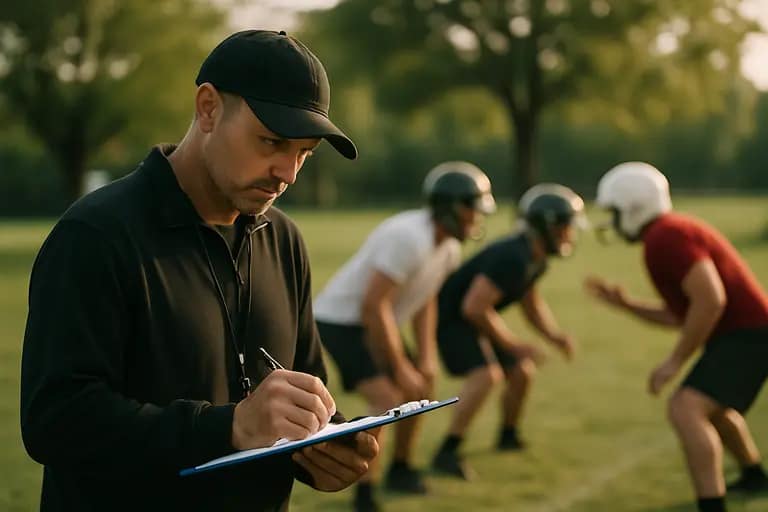
Coaches in community programs have a responsibility to match tournament entry with roster readiness. A young team that is still learning cutoffs, bunt defenses, and strike-zone control may not benefit from being pushed too far too soon. A more advanced group may need better arms, faster defensive pressure, and tougher late-inning decisions. The right fit is not about protecting records. It is about creating a competitive setting where instruction can stick.
This is also where honest family communication matters. Before an event, coaches can explain the weekend’s purpose: develop pitching depth, test defensive versatility, improve two-strike approaches, or see how players handle back-to-back games. After the event, the follow-up should connect game evidence to practice plans. If a team struggled with first-and-third defense, that should show up in the next workout. If hitters expanded the zone, batting practice should include decision work, not only more swings.
Use Results As Teaching Film
Weekend results can be emotional, especially in close games. Still, the most useful programs turn those results into lessons. A loss can show whether players stayed engaged. A win can still reveal sloppy baserunning or missed communication. Coaches who keep notes during events can bring sharper direction back to weekday practice.
Families can support that process by asking better questions. Instead of only asking whether the team won, ask what the player learned. Instead of only asking about hits, ask whether the player made better swing decisions. For tournament planning across a season, families may also find value in our article on Texas baseball tournaments for player growth, especially if they are comparing camps, skill work, and schedule fit.
Five Tool Texas Tournaments In Local Development
The Local Standard To Watch
The impact of Five Tool Texas Tournaments is best judged by what players carry home. Do they understand how to prepare between games? Do pitchers learn that arm care is part of competing? Do hitters leave with a clearer plan? Do coaches return with practice priorities that match what happened on the field? Those are the community-level outcomes that matter.
Texas baseball families do not need empty hype. They need events that respect player health, create useful competition, and keep development within reach for more communities. When tournaments support those standards, local programs gain more than weekend games. They gain better habits, clearer feedback, and a stronger baseball culture built around players who can keep growing season after season.