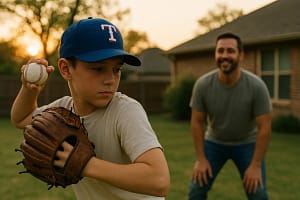
Texas baseball tryouts ask young athletes to show more than one loud tool. A player needs enough skill, conditioning, attention, and self-control to perform in front of unfamiliar coaches while families evaluate whether the program fits the athlete’s stage of development.
For Texas families, tryout preparation should start with a clear plan rather than a last-minute rush for swings, bullpen work, or new gear. The goal is not to create a different player in one week. The goal is to help the athlete show reliable fundamentals, compete with energy, and understand the expectations of the team or organization.
What Texas Baseball Tryouts Measure
Most youth tryout settings are built around core baseball actions: hitting, throwing, fielding, pitching, running, and coachability. The exact format can vary by program, age group, field space, and staff size, so families should read the official tryout information before assuming how the day will run.
Texas Baseball Tryouts And Program Fit
For Texas baseball tryouts, families should treat the event as a two-way evaluation. The athlete is trying to earn a roster opportunity, but the family is also trying to understand how the program develops players, communicates schedules, handles expectations, and places athletes by age and skill level.
TBT Texas describes its organization as offering teams across age groups and skill levels with an emphasis on player development and competition through its official program information. That kind of public program detail matters because it helps families compare the tryout to the athlete’s current needs instead of chasing a name, uniform, or tournament schedule without context.
Eligibility And Communication Details
Age rules, registration steps, arrival times, field location, and required paperwork can affect whether a player is ready to participate. Families should confirm those details directly with the program. Tomball Kings, for example, maintains a dedicated page for open tryout information through its tryout information page, which is the type of official source families should rely on before making plans.
Players should also know how to introduce themselves, listen to instructions, rotate quickly, and keep their equipment organized. Those habits do not replace ability, but they help coaches run an efficient evaluation and reduce avoidable mistakes.
Build The Week Around Repeatable Baseball Skills
The best short-term preparation is focused, not frantic. A young player does not need three-hour workouts every day before a tryout. In many cases, overworking creates fatigue, sore arms, rushed mechanics, and lower confidence. Preparation for Texas baseball tryouts should center on repeatable actions the athlete can trust under pressure.
Skill Work Before The Evaluation Window
Hitters should take enough swings to feel timing, balance, and strike-zone awareness. That can include tee work, front toss, controlled batting practice, and short rounds built around hard contact to the middle of the field. The intent is to arrive with a clear approach, not to rebuild a swing right before evaluation day.
Infielders and outfielders should handle routine ground balls, fly balls, exchange work, and throws to common targets. Catchers should prepare to receive, block, throw, and communicate if those skills are part of the evaluation. Pitchers should follow safe arm-care habits and avoid adding a heavy bullpen too close to the tryout unless the athlete is already conditioned for it.
Families wanting a fuller picture of the tryout setting can review this related Texas Elite Baseball resource on what young players should expect. It pairs well with a practice plan because preparation is stronger when athletes know the pace and structure they may face.
Conditioning Without Draining The Player
Baseball tryouts test movement quality as much as raw fitness. A player may need to sprint, change direction, take defensive reps, hit, throw, and stay alert during downtime. Light sprint work, mobility, throwing preparation, and recovery should be planned across the week so the athlete arrives fresh.
Texas heat can raise the stress of any workout or tryout period. Hydration, meals, snacks, sleep, and shade planning deserve attention before the family arrives at the field. For tournament-style weekends and long baseball days, families can use these youth baseball nutrition tips as a practical starting point for hydration and recovery habits.
- Check the official tryout page for age group, time, location, registration, and required equipment.
- Pack glove, bat, helmet if needed, cleats, turf shoes if useful, water, and weather-appropriate baseball clothing.
- Plan light skill work before the event rather than a late spike in throwing or hitting volume.
- Review basic communication habits: hustle, listen, ask clear questions, and thank coaches after the workout.
- After the tryout, ask whether feedback is available and what the next step is for roster decisions.
Parent Planning, Costs, And Program Fit
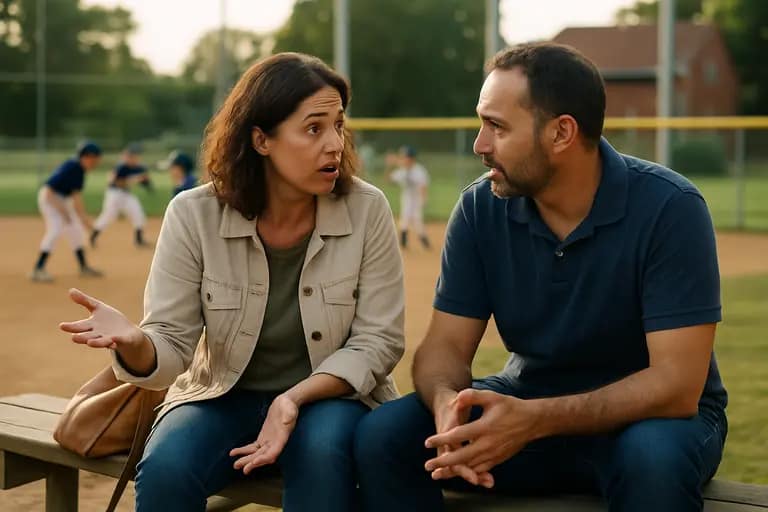
Tryout preparation is not only an athlete issue. Parents and guardians need to understand the time, travel, cost, and communication expectations tied to a select baseball program. A strong roster fit can become stressful if the family did not ask enough questions before accepting a spot.
Questions Families Should Ask Before Committing
Families should ask how many practices are expected, how tournaments are selected, whether development time is built into the schedule, and how playing time is handled. Programs may vary by age group and competitive level, so broad assumptions can create confusion.
Financial commitments can also vary. Instead of relying on rumors, families should request a clear fee outline from the organization. Useful questions include what is included, what is separate, how uniforms are handled, whether tournament fees are included, and whether payment timing affects participation. Grounded answers help parents compare options without putting the athlete in the middle of adult uncertainty.
Parents should also consider the athlete’s current stage. A younger player may benefit from more practice structure and patient instruction. An older player may need stronger competition, position-specific training, or exposure to coaches who can help with the next level of play. Neither path is automatically better. The right fit depends on the player’s age, skill base, goals, schedule, and readiness for commitment.
Mental Readiness On Tryout Day
Young athletes often feel pressure because they know roster decisions may follow. Coaches understand nerves. What they need to see is how a player responds after a miss, an error, a weak swing, or a poor throw. Body language, attention, and willingness to keep competing can matter in a crowded evaluation setting.
A simple mental plan helps. Players can focus on one pitch, one rep, and one instruction at a time. They should not compare every swing or throw to another athlete. Tryouts move quickly, and the player who stays present often gives coaches a clearer look at true habits.
A Practical Standard For Texas Baseball Tryouts
Texas baseball tryouts reward preparation that is steady, honest, and age-appropriate. Families do not need to chase every workout trend or make unsupported assumptions about exposure. They need to confirm official details, prepare the body, sharpen fundamentals, manage heat, and choose programs based on development fit.
The best Texas baseball tryouts are not just about making a roster. They help players learn how to compete in an evaluation setting, receive feedback, and understand what their next training block should address. For families across the state, that mindset turns a single tryout date into a useful checkpoint in a longer baseball path.