Young athlete tournament nutrition should feel practical for Texas baseball families, not stressful. Tournament weekends can stack warmups, pool play, bracket games, travel time, and long waits between first pitch windows. A player’s food and fluid plan will not replace skill work, but it can help protect energy, comfort, and recovery across a full day at the park.
Parents do not need a complicated system. The most useful plan is repeatable: familiar foods, steady fluids, smart timing, and recovery food ready before the last inning ends. The goal is to help a young athlete arrive fueled, avoid stomach trouble, and recover well enough to compete again later in the day or the next morning.
Young Athlete Tournament Nutrition For Baseball Families
Build The Main Meal Around Timing
A balanced pre-game meal works best when it is early enough to digest. The research points to a meal rich in carbohydrates and moderate in protein about 2–3 hours before competition, which can support sustained energy without leaving the athlete feeling heavy young athlete nutrition tips. For baseball families, that might mean planning breakfast before leaving the hotel or packing a lunch that can be eaten well before warmups begin.
Carbohydrates matter because tournament play can involve repeated bursts of sprinting, throwing, hitting, and standing through long innings. Protein matters because young athletes are still growing and recovering from training and games. The key is balance. A heavy plate right before first pitch can create discomfort, while too little food can leave a player flat by the middle innings.
Keep The Food Familiar
Game day is not the time to test a new smoothie, spicy meal, large fast-food order, or unfamiliar supplement. The research notes that young athletes should stick with familiar foods to reduce the risk of stomach issues during competition UChicago Medicine guidance. That advice is especially useful during tournament weekends, when families may be eating away from home and players may have limited time between games.
Parents can help by making a short list of foods the player already tolerates well before practices. Then those foods become the tournament default. A simple repeatable routine often beats a perfect-looking plan that the athlete refuses to eat or has never tried.
Hydration Planning Before And During Games
Start Before The First Warmup
Hydration should not start when a player says they feel thirsty. One research example from University of Chicago Medicine recommends that a 100-pound athlete aim for 50 ounces of water daily youth sports nutrition advice. Families can use that kind of guidance as a reminder that fluid intake is a daily habit, not just a dugout task.
For tournament planning, the practical move is to begin the night before and continue the morning of the game. Players should have water available during travel, at check-in, during warmups, and between innings. Coaches can support this by allowing routine drink breaks instead of leaving hydration to chance.
Use A Simple Dugout Routine
The research also supports drinking water regularly during activity, with one recommendation of about 5–7 ounces every 20 minutes. Parents do not need to measure every sip, but they can help young players learn a rhythm: drink before warmups, sip between innings, and continue after the game instead of waiting until a headache or heavy legs show up.
Baseball has natural pauses, which can make hydration easier than in continuous-play sports. The challenge is attention. Players may forget while they are tracking the lineup, talking with teammates, or waiting for their defensive inning. A marked water bottle can help families see whether the player is actually drinking across the day.
Meal And Snack Timing Across Tournament Days
Plan For Long Gaps And Quick Turnarounds
Many tournament days do not follow a normal meal schedule. A player might finish breakfast early, play late morning, sit for several hours, then return for bracket play. The research supports frequent small balanced meals every 2–3 hours to help maintain energy. That does not mean constant grazing on candy or chips. It means having dependable food available so the player is not forced into a rushed, heavy meal minutes before warmups.
A light snack 30–60 minutes before a game can help top off energy stores without causing discomfort, especially when the main meal was several hours earlier. The snack should be easy to digest and familiar. If a player tends to feel nervous before games, smaller portions may work better than pushing a full meal too close to first pitch.
- Pack familiar carbohydrate-focused options, moderate protein choices, and plenty of water before leaving for the field.
- Avoid high-fat foods right before competition because they can slow digestion and may cause discomfort.
- Use the day before competition for carbohydrate-rich meals rather than trying a large new meal on game day.
- Keep recovery food in the cooler so the player can eat within 30–60 minutes after activity.
Think About The Day Before
Preparation starts before the first game of the bracket. The research notes that carbohydrate-rich meals the day before competition can help maximize muscle glycogen stores. For a young baseball player, that does not require a huge pasta dinner or an unusual eating challenge. It simply means building the prior day around familiar carbohydrate sources that the athlete already handles well.
Parents should also protect the evening routine. A consistent sleep schedule supports recovery and performance, according to the research notes. Late meals, late travel, and early report times can make that hard, so families may need to pack food before leaving home, choose simple dinner options, and set a realistic lights-out plan when possible.
Training And Recovery Habits Between Games
Do Not Add Extra Work To Feel Prepared
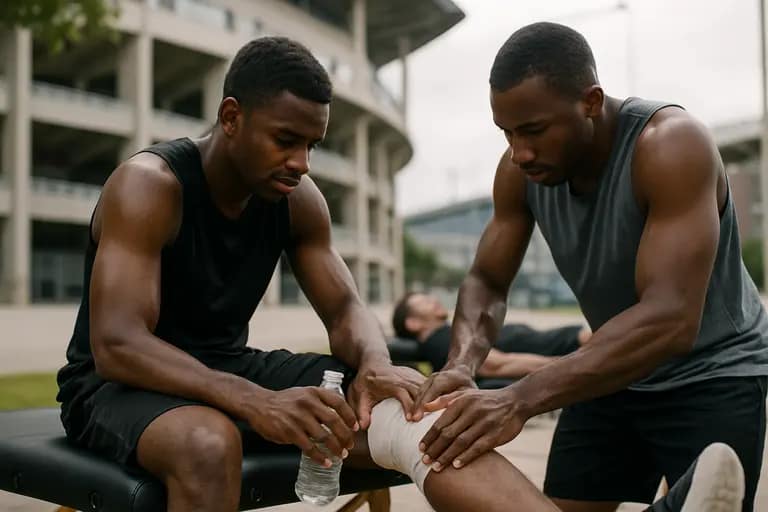
Tournament weeks can tempt players to squeeze in more swings, more throwing, or extra conditioning because the games feel important. For young athletes, a better parent role is to protect routine. Skill work should stay consistent, and the days leading into competition should not be filled with unfamiliar workouts that create soreness or fatigue. The same logic used for food applies to training: avoid sudden changes right before competition.
Warmups should prepare the body for baseball movements, not drain the player before the first inning. Between games, light movement may help a player stay loose, but long, intense work between games can cost energy needed later. Parents can support the coach’s plan by helping the athlete rest, refuel, and stay on schedule instead of adding pressure from the parking lot or batting cage.
Make Recovery Food Easy To Reach
Post-game recovery is easier when the food is already packed. The research supports consuming carbohydrates and protein within 30–60 minutes after activity to aid muscle recovery and replenish energy stores. That window can pass quickly if the family is moving fields, waiting for bracket updates, or driving to the next venue.
Recovery does not need to be fancy. The best option is the one the player will eat consistently and tolerate well after running, throwing, and competing. Parents should watch for the athlete who says they are not hungry after a tough game. A smaller recovery option may be more realistic at first, followed by a balanced meal once the player settles down.
What Texas Baseball Families Can Control This Weekend
Young athlete tournament nutrition is one of the few parts of a tournament weekend that families can control without interfering with coaching. Parents cannot control the draw, the umpire zone, the bracket delay, or the quality of the opposing starter. They can control whether water is packed, whether meals are timed well, and whether the player has familiar food after the final out.
The most dependable plan is simple: eat a balanced meal 2–3 hours before competition, hydrate before and during activity, use light familiar snacks when needed, avoid high-fat or new foods close to game time, and recover with carbohydrates and protein after play. That steady approach gives young baseball players a better chance to feel ready from the first inning through the last game of the weekend.