Perfect Game Texas weekends can bring strong competition, long days, travel stress, and plenty of emotion for young players. Parents set much of the tone before the first pitch, after the last out, and during the quiet moments between games. The goal is not to control every swing or decision. The goal is to help your player feel prepared, supported, and steady enough to compete, learn, and still enjoy baseball.
For Texas families, that support has to be practical. Tournament days may include early alarms, hot dugouts, changing game times, meals in the car, and a player who is excited one hour and frustrated the next. A calm parent cannot fix every baseball problem, but a calm parent can protect the environment around the player. That matters, especially in events where the competition level can make small mistakes feel bigger than they are.
Set The Perfect Game Texas Tone Early
Let The Player Own Part Of The Weekend
Young athletes need room to feel that baseball is still theirs. The Associated Press has reported on youth sports guidance that encourages parents to let children help lead their sports experience, including starting at a pace that fits the child rather than rushing into long commitments too quickly youth sports guidance. That idea applies well to a tournament weekend. Let your player pack part of the bag, choose a pregame snack from approved options, or talk through what helps them feel ready.
This does not mean a ten-year-old manages travel plans or a teenager gets no structure. It means the athlete has a voice. Ask simple questions: “What do you need before warmups?” “Do you want quiet time or music in the car?” “What helped you settle in last game?” Those answers teach self-awareness. They also help parents avoid guessing wrong and adding stress.
Perfect Game Texas Expectations Should Stay Clear
At Perfect Game Texas, players may notice who is watching, who is throwing hard, or which teams have polished uniforms. Parents can help by keeping expectations clear and grounded. A strong weekend is not only measured by wins, hits, or strikeouts. It can include better body language after an error, improved pitch selection, smarter baserunning, or a pitcher trusting a secondary pitch in a tough count.
Before the event, agree on two or three controllable goals. For a hitter, that might be competing every at-bat, being on time for the fastball, and running hard. For a pitcher, it might be attacking the zone, breathing after missed calls, and backing up bases. For a catcher, it might be receiving with energy and communicating well. These goals keep the weekend tied to development instead of only the scoreboard.
Be The Parent, Not The Extra Coach
Keep Instruction In The Right Lane
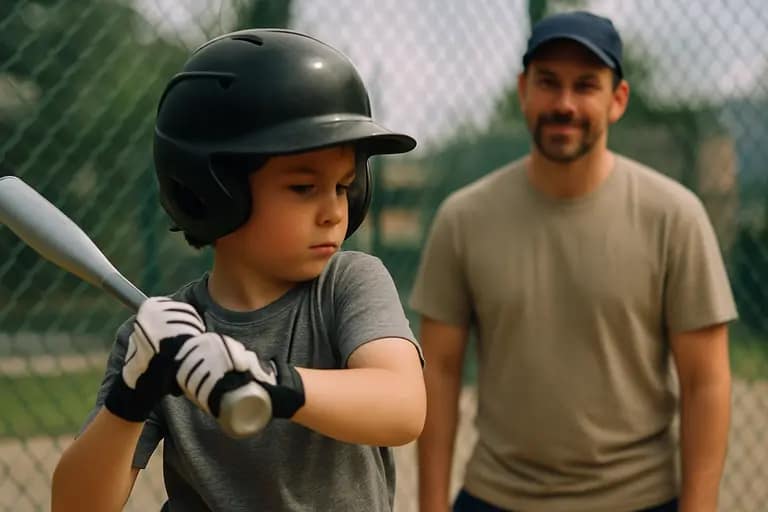
One of the hardest jobs for baseball parents is staying out of the coaching lane during games. The Schaumburg Seminoles parent guidance stresses the value of being a young athlete’s biggest fan rather than taking over as an extra coach, even when a parent knows the sport well parent support advice. That boundary matters during tournament play because players are already processing signs, scouting notes, field conditions, and pressure.
Too many voices can slow a player down. If the coach says one thing and a parent says another, the athlete may try to please both instead of playing freely. During games, keep comments short and supportive. “Compete.” “Next pitch.” “Good effort.” Save mechanical talk for the right setting, and even then, ask whether your player wants feedback or just wants you to listen.
The Car Ride Is Not A Film Room
The drive after a tough loss can shape how a player remembers the day. A full breakdown of missed signs, late swings, or fielding mistakes may feel helpful to an adult, but it often lands as criticism to a tired young athlete. A better first question is, “Do you want to talk baseball now, later, or not at all?” That gives the player control over timing.
If they do want to talk, start with their view. Let them name one thing that went well and one thing they want to improve. Parents can listen for patterns without turning the ride into a lecture. If a real issue needs follow-up, send a brief, respectful message to the coach at an appropriate time rather than addressing it from the stands or in front of teammates.
Plan For Texas Heat, Food, And Downtime
Build A Simple Heat Routine
Texas tournament conditions can wear down even fit players. If high heat, humidity, or afternoon storms are in the forecast, families should plan before leaving home. Pack more fluids than you think you need, include electrolyte options if your player uses them well, and bring cooling towels, extra socks, sunscreen, and a dry shirt. Shade matters between games. So does getting out of the heat when there is a long break.
Parents should also watch for behavior changes. A player who becomes unusually quiet, dizzy, confused, chilled, or nauseated needs attention from the appropriate adult on site. Families should follow team and facility procedures and seek medical care when needed. For more Texas-specific packing and schedule habits, our Texas tournament family prep notes can help parents think through the day before they arrive.
Fuel The Player Before The Crash
Many young players forget to eat once the day starts. Parents can help by setting a rhythm: breakfast before arrival, small snacks between games, and a recovery meal after the last game. Heavy, greasy food right before first pitch may not sit well. Easy options such as sandwiches, fruit, yogurt, pretzels, rice bowls, or familiar bars may work better, depending on the athlete.
- Pack food your player has already tested during practices or league games.
- Use breaks for shade, fluids, and quiet time instead of constant walking around.
- Keep a backup uniform piece, towel, and plastic bag for wet or muddy gear.
- Check team messages often, but avoid making schedule changes sound dramatic to the player.
For tournament food planning that fits long baseball days, review these youth baseball nutrition tips before packing the cooler.
Support Development Without Chasing Every Result
Use The Weekend As A Learning Window
Perfect Game Texas competition can reveal useful information. A hitter may learn that better pitching exposes timing habits. A pitcher may see that missing arm-side against strong lineups creates trouble quickly. A defender may learn how fast the game moves when runners pressure every throw. Those lessons are valuable only if the family treats them as information, not as a verdict on the player.
Parents can help the player sort the weekend into clear categories. What is a skill issue? What is a preparation issue? What is just baseball? A hard lineout with a good approach is different from three rushed at-bats with no plan. A walk after missing close pitches is different from losing focus. This kind of review builds a development mindset without pretending every result was positive.
Protect Rest, School, And Normal Life
A packed baseball schedule can push rest and school routines into the background. Families should protect sleep where possible, especially after late games or travel days. Players also need time away from baseball conversation. Seeing friends, finishing schoolwork, and being part of family life are not distractions from development. They help keep the athlete balanced.
Multi-sport participation and broader athletic play can also support a healthier sports experience for many children, and the AP guidance notes concern around early single-sport pressure and burnout risk youth sports balance. For baseball families, the point is not that every player must follow the same path. The point is to keep the player’s body and interest level in mind, not just the next roster spot.
What Perfect Game Texas Support Should Feel Like
The best parent support at Perfect Game Texas is steady, not loud. It gives the player structure without taking away ownership. It respects the coach’s role. It prepares for heat, meals, traffic, schedule changes, and emotions. It also reminds the athlete that one weekend does not define a career.
After the final game, celebrate the effort first. Mention a specific behavior you admired: staying composed after an error, cheering for a teammate, attacking the strike zone, running hard, or making an adjustment. If the weekend was difficult, do not rush to fix it in the parking lot. Let the player breathe. Later, help them choose one or two lessons to carry into the next practice.
Families cannot guarantee outcomes in elite baseball. They can shape the conditions around growth. A young player who feels supported, fed, rested, and trusted is more likely to compete with confidence and come home still wanting to get better. That is the kind of win Texas baseball parents can help build.