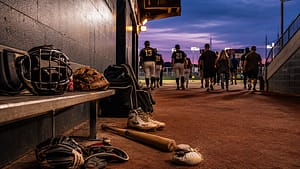
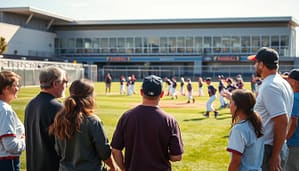
Five Tool Texas tournaments give local baseball families a development setting that is competitive, organized, and tied to player health. For Texas youth teams, that matters because tournament weekends can either build better habits or create schedule stress that works against long-term growth. The strongest community programs are not only about winning a Sunday bracket. They help players learn how to prepare, recover, compete against better opponents, and understand where their skills stand.
The available facts point to a clear model. Five Tool Youth Baseball says it focuses on premier events, player health, and player development, and it sets limits for younger athletes so weekend play does not become excessive Five Tool Youth Baseball. The Texas Rangers Youth Academy also announced in May 2024 that its first-ever Scout Team would compete on the Five Tool Texas tournament circuit, connecting an MLB-affiliated community program with a respected regional competition setting Rangers Academy announcement.
Why Five Tool Texas Matters To Local Communities
Tournament Weekends With Clear Development Goals
A local tournament can be more than a set of games if coaches and families treat it as a teaching weekend. Players face new pitchers, different defensive speeds, pressure innings, quick turnarounds, and the need to reset after failure. Those experiences are hard to copy in practice. They are also valuable only when the structure supports learning rather than simply adding more innings.
For Five Tool Texas families, the community value starts with access. Regional tournament play can reduce the need for long out-of-state travel while still giving teams meaningful competition. That helps families manage school schedules, family budgets, work commitments, and recovery time. It also keeps more baseball activity connected to Texas communities, where local fields, coaches, trainers, and small businesses all feel the impact of well-run tournament weekends.
Community Standards Around Competition
Competitive youth baseball works best when expectations are clear before the first pitch. Families want to know how many games are possible, how coaches will manage pitchers, and whether the event format fits the age group. Tournament operators cannot control every coaching decision, but they can set boundaries that encourage smarter choices.
That is where the development message becomes practical. A young player who throws, catches, runs bases, and plays multiple games in Texas heat needs structure. Coaches need a weekend plan. Parents need to understand the physical load. Players need to know that effort includes preparation and recovery, not only performance during the game.
Safer Workloads And Better Competitive Habits
Five Tool Texas And Arm Care For Younger Players
Five Tool Youth Baseball states that athletes ages 6 to 14 will not play more than six games in a weekend, a rule aimed at protecting young players from overuse. It also says its events follow Major League Baseball guidelines for youth athletes, including safe arm-care direction. That makes Five Tool Texas part of a wider player-health conversation that many Texas families are already having with coaches, trainers, and pediatric sports providers.
Game limits do not replace responsible coaching, but they create a ceiling that helps everyone plan. A coach can map out innings before the weekend. A parent can ask better questions about rest. A player can learn that being available on Sunday begins with how he warms up on Friday and recovers between games.
Why Health Rules Shape Skill Growth
Arm care is often discussed as injury prevention, but it also supports skill development. A tired pitcher may lose command and build poor delivery habits. A catcher who is worn down may receive poorly or rush throws. A position player who is physically spent may lose focus on baserunning reads or defensive communication.
Strong tournament structure gives coaches room to teach. Instead of chasing one more inning from the same arm, a staff can develop more pitchers. Instead of leaning on one player all weekend, a roster can build depth. That matters in Texas, where many athletes are trying to grow from local league play into select schedules, high school baseball, and possible college opportunities.
Families comparing tournament options can also study how event structure supports development habits. A related discussion of Five Tool tournament weekends looks at workload awareness, regional access, and the parent role in keeping competition productive.
Rangers Academy Partnership Shows A Pathway
What The Scout Team Announcement Adds
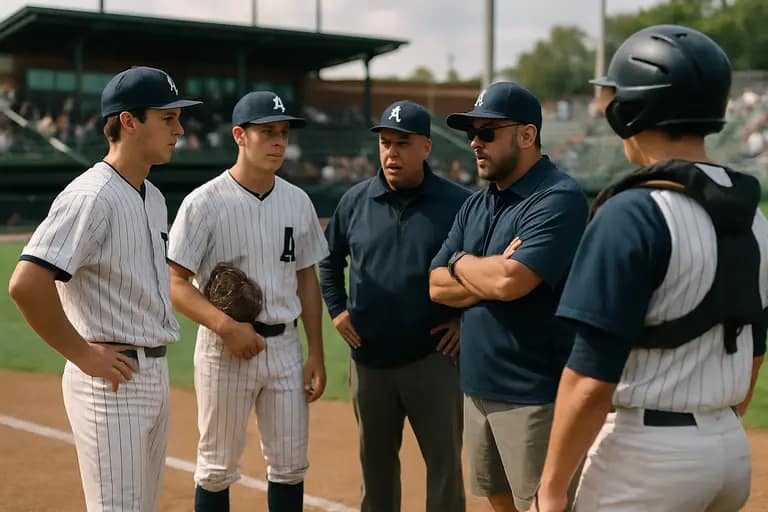
The Texas Rangers Youth Academy announcement gives this topic a specific example from the professional side of the game. In May 2024, the Academy said it had established its first-ever Scout Team and that the group would compete on the Five Tool Texas tournament circuit. The announcement described a setting for elite-level athletes to face strong competition through a recognized tournament schedule.
The Rangers connection gives Five Tool Texas a community-development angle that goes beyond event operations. The Youth Academy serves players through baseball and softball programming, and a Scout Team creates another step for select athletes who are ready for a higher competitive setting. Not every player will join that type of roster, and families should be careful about treating one pathway as the only path. Still, the partnership shows how local tournament circuits can connect with larger player-development systems.
Exposure Without Leaving The Region
For many Texas families, exposure is often confused with distance. A longer trip does not automatically create better development. What matters is the quality of opponents, the organization of the event, the player’s readiness, and whether the weekend gives coaches useful information.
A regional circuit can help players test themselves closer to home. That can be especially helpful during school months, summer heat, and busy family seasons. Teams can face strong opponents, return to practice with specific feedback, and avoid turning every competitive opportunity into a major travel expense.
That local rhythm also benefits coaches. They can evaluate how players handle pressure, how pitchers respond to tighter zones, how hitters adjust across multiple at-bats, and how the dugout handles a quick loss before the next game. Those lessons feed directly into player meetings, practice plans, and roster development.
What Five Tool Texas Means For Local Baseball Planning
Questions Families Can Ask Before They Register
Families do not need to chase every tournament on the calendar. A better approach is to match the event to the player’s age, workload, confidence, and current goals. Before registering, parents and coaches can ask practical questions:
- How many games could the team play, and how will pitching be managed across the weekend?
- Does the competition level fit the roster, or will the weekend create poor habits?
- What skill goal will each player carry into the event?
- How will the team recover, review performance, and use feedback in the next practice week?
Those questions keep the focus on growth. A tournament weekend should give a player evidence: how he competes, how he adjusts, and what he needs to train next. That evidence can be just as valuable as a trophy when families are serious about long-term development.
A Community-First Measure Of Progress
Texas baseball communities are built by more than one team or one event. They grow through responsible coaches, organized tournaments, safe workload habits, parent education, and local competition that gives players a reason to keep improving. Youth athletes also benefit when adults protect the joy of playing while raising the standard of preparation.
For Texas baseball families, Five Tool Texas offers a useful model to watch: competitive games, stated health priorities, and a local pathway that has drawn participation from the Texas Rangers Youth Academy. The measure of success should stay grounded. Players need safer weekends, better teaching, meaningful opponents, and clear next steps when they return home.
That is where community programs can do their best work. They create settings where talent is challenged, coaches are pushed to plan, and families can support development without losing sight of health. For more on skill growth inside event settings, families can review this local look at individual development in youth baseball events.