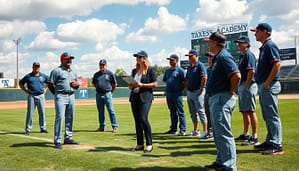
Texas Baseball Coaches sit at the center of tournament development across the state because their choices shape how players compete, recover, learn, and return to the field with confidence. For families planning late-summer and fall tournament weekends, the coach’s role is not limited to lineup cards or mound visits. It includes teaching routines, setting conduct standards, managing workloads, and helping players understand what a competitive weekend can teach beyond the scoreboard.
The research available for this topic supports a clear point: Texas has a large coaching community and a steady appetite for coach education. It does not provide full brackets, venue assignments, or baseball-specific clinic agendas for every upcoming tournament, so this piece should be read as a development planning framework, not a schedule. The strongest takeaway is practical. Tournament quality improves when coaches treat each weekend as a classroom for skill growth, communication, and accountability.
How Texas Baseball Coaches Set Tournament Standards
Texas Baseball Coaches And The Growth Standard
Coaches influence the tone of a tournament before the first pitch. A team that arrives with clear routines usually handles delays, weather, long innings, and tough losses better than a team that waits for emotion to set the pace. Warmups, arm-care expectations, pregame hitting plans, hydration, and dugout roles all send players a message about what matters.
That message should be development-first. A young player can go 0-for-3 and still leave with a sharper two-strike plan. A pitcher can give up contact and still improve if he held runners, attacked the zone, and responded well after traffic. A catcher can build value by leading tempo, receiving with consistency, and keeping pitchers calm. For Texas Baseball Coaches, the best tournament weekends often come when the staff can identify those learning points while the games are still moving.
From Lineups To Learning Plans
Lineup decisions matter, but a tournament staff also has to decide what each athlete needs to gain from the event. Some players need more defensive innings. Others need at-bats against better velocity, chances to run the bases under pressure, or time in a secondary position. Those decisions require planning before the weekend starts.
Families can support that process by asking development questions instead of only asking about playing time. What is the player working on this weekend? How will coaches measure progress? What should the player do between games? A related development lens is outlined in individual development in youth baseball events, where the focus stays on growth habits that can outlast one tournament result.
Why Coach Education Matters Before First Pitch
Statewide Coaching Capacity
Texas has scale on its side. The state employed approximately 13,900 coaches as of 2023, according to Texas coaching employment data. That number does not speak only to baseball, and it should not be read as a count of elite baseball instructors. It does show how large the coaching profession is across the state, which matters for tournaments that depend on trained adults, school partnerships, facility access, and safe event operations.
Coach education also remains a major gathering point. The 94th Annual Texas High School Coaches Association Coaching School and Convention was held July 19-21, 2026, in Houston and was reported to include more than 18,000 coaches and athletic staff along with 387 exhibitors, according to a THSCA convention report. Again, that is a broad athletics event, not a baseball-only clinic. Still, the size of the gathering shows that professional development is part of the Texas coaching culture.
How Texas Baseball Coaches Translate Clinics To Dugouts
Clinic notes do not help players unless they become simple, repeatable habits. A coach may hear new ideas about leadership, communication, or athlete care, but the tournament setting tests whether those ideas can be used under time pressure. The best transfer happens through short cues, consistent language, and postgame review that players can understand.
For example, a coach might turn a broad leadership lesson into a three-part dugout routine: players track pitcher timing, communicate defensive positioning, and reset after every half inning. A pitching coach might turn arm-care education into a clear rule for warmup volume and between-game recovery. A hitting coach might use a tournament to study swing decisions rather than chase one loud result. That is where education becomes visible to families.
Tournament Habits That Help Players Develop
Practical Benchmarks For Coaches And Families
Texas Baseball Coaches can set expectations that protect the player while still honoring competition. The research notes point to multiple youth-sports efforts centered on coach training, athlete relationships, and sportsmanship. Because not every detail is baseball-specific, the safest use of that information is to focus on habits that apply across a tournament weekend and can be observed by parents, players, and staff.
- Build a pregame routine that covers throwing progression, defensive footwork, cage work, and a short team meeting.
- Track pitcher workload and recovery with care, especially during multi-game weekends.
- Give players one or two clear development goals instead of a long list of corrections.
- Use postgame talks to teach decision-making, effort, and response to pressure.
- Keep parent communication calm, direct, and centered on player growth.
These habits are not flashy, but they are visible. They show up when a player knows where to be, when a pitcher is not rushed into extra stress, and when a team handles a bad inning without losing its identity. For families managing long weekends, the same support system matters off the field. The guidance in baseball parent support in competitive play fits closely with the coach-led routines that keep players rested and steady.
Community Partnerships Around Texas Tournament Weekends

Why Local Support Changes The Player Experience
Texas tournaments depend on more than the teams on the bracket. Facilities, athletic trainers, school contacts, local volunteers, and family schedules all shape the player experience. Coaches often serve as the link between those groups. They communicate arrival times, manage expectations, and help players understand how to represent their team in shared spaces.
The supplied research includes examples of broader coach networking and youth-sports partnerships in Texas, including professional development events outside baseball. Those details should be used carefully because they do not prove a direct impact on any single baseball tournament. What they do suggest is that coach connection matters. When coaches share standards across sports and communities, young athletes are more likely to hear consistent messages about preparation, respect, and growth.
Sportsmanship As A Development Skill
Sportsmanship is not separate from elite development. A player who cannot control body language after an error may struggle in front of college coaches, tournament directors, or future teammates. A pitcher who argues the zone instead of making the next pitch loses an opportunity to show maturity. Coaches set that standard through their own conduct first.
That is especially important in tournament settings where emotions can rise quickly. Tight games, hot weather, travel fatigue, and bracket pressure all test a team’s habits. A coach who models calm communication gives players a better chance to stay in the moment. That does not remove competitive fire. It gives that fire a useful direction.
Why Coach-Led Growth Matters For Texas Baseball Tournaments
Upcoming tournament weekends across Texas will keep asking the same question of teams: can they compete hard while still building better players? The answer depends heavily on the adults leading the dugout. Texas Baseball Coaches who plan with care can turn a crowded weekend into meaningful instruction, even when the final score does not go their way.
For players, that means clearer goals and better feedback. For parents, it means a calmer view of progress. For tournament organizers, it means games with stronger conduct and better athlete care. For communities, it means baseball weekends that support local pride while keeping young athletes at the center.
The strongest coach-led programs will not be defined by one bracket run. They will be defined by whether players leave tournaments with sharper routines, better self-control, and a clearer understanding of how to keep improving. That is the standard Texas baseball families can look for as they choose events, ask questions, and support the next round of player growth.